

From the dawn of civilization, humans have sought to domesticate and tame animals. Zoos themselves have a rich history rooted in ancient agricultural cultures. Nearly everyone has visited or continues to frequent zoos, and their unique position as both popular entertainment and a hub for wildlife conservation makes them a fascinating and complex topic for discussion. Let’s dive into the story of Toronto’s zoos on toronto.name.
The Dual Nature of Zoos
Historian Bernard Livingston highlights the dual nature of zoos in the preface to his work “Zoo: Animals, People, Places”. He explains that zoos, since ancient times, have been a social phenomenon—a saga of humanity’s complex relationship with animals, whether for entertainment, education, or environmental preservation. Therefore, the story of zoos is not just about animals but also about humans, making it equally captivating.
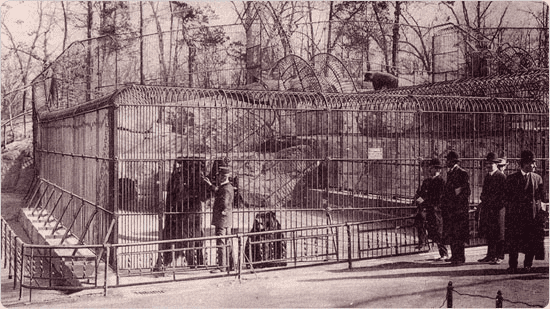
In the past, many early advocates of zoos were big-game hunters, and the zoos themselves often resembled circuses, with animals being used for entertainment. However, just as society evolved to become more conscious of its impact on the planet and sensitive to environmental issues, zoos also adapted. Modern wildlife conservation centres no longer resemble the stark cages of the past, although one thing remains unchanged: people’s fascination with observing and learning about animals.
Selecting the Site for Toronto’s Second Zoo
From 1887 to 1973, the Riverdale Zoo, located on a 12-acre site overlooking the Don Valley, served as Toronto’s primary zoo. It was a traditional 19th-century zoo where animals were kept in caged enclosures. In 1966, the Metropolitan Toronto Zoological Society was formed to develop a new, more modern zoo for the city.
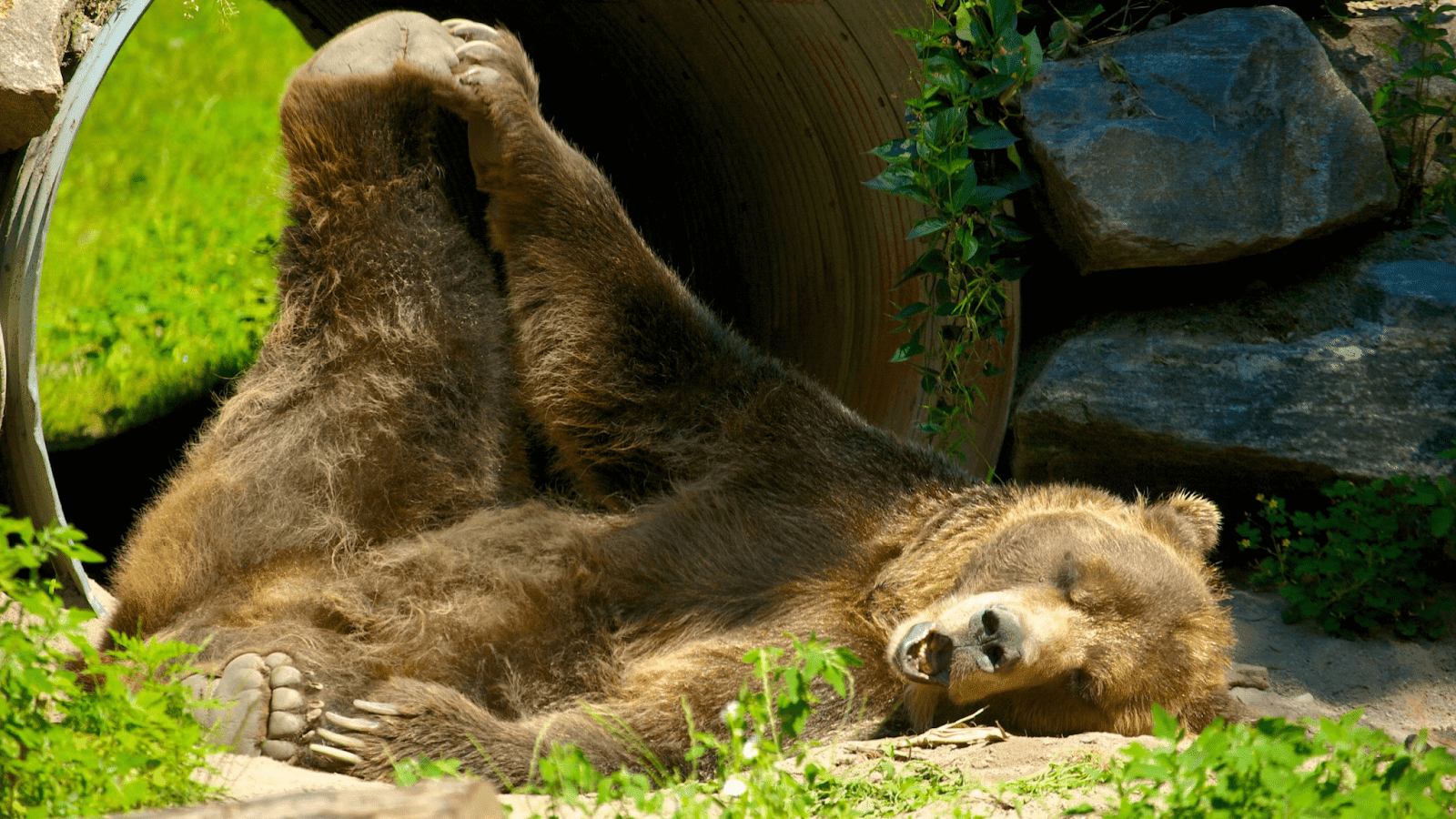
In 1967, architect Raymond Moriyama began scouting locations for the new zoo. He considered three potential sites across Toronto and ultimately selected the Glen Rouge area in Scarborough. At the time, this area was managed by the regional conservation authority and included 310 acres of plateau and 400 acres of forest in the Rouge River Valley.
Moriyama’s task was to create a world-class zoo that leveraged the talents of many contributors. Landscape architects, planners, and engineers—like Johnson, Sustronk, and Weinstein and Associates—played significant roles in designing the facility. Over time, the design team expanded to create a truly remarkable and innovative space.
Building Toronto Zoo: Ownership and Operations
The master plan for the zoo was approved by the Metropolitan Council of Toronto in 1969, with $22 million allocated for its development. An additional $6 million was raised by local schoolchildren to purchase animals, plants, and to transport the wildlife housed at Riverdale Zoo.
Construction of the Metropolitan Toronto Zoo began in the fall of 1970, and it officially opened to the public on August 15, 1974. As of 2024, the zoo includes a farm area and is managed by the City of Toronto. Governance is handled by a board comprising four members from the Toronto Zoological Society and five members appointed by the City Council.
The animals and plants at the Toronto Zoo are grouped by their natural habitats, a practice called zoogeography. The zoo is divided into six zoogeographical regions, each representing major ecological divisions of animal populations worldwide. The zoo’s aim is not only to display animals but also to educate visitors about their native environments. Elevated pathways allow guests to observe the animals from various perspectives.
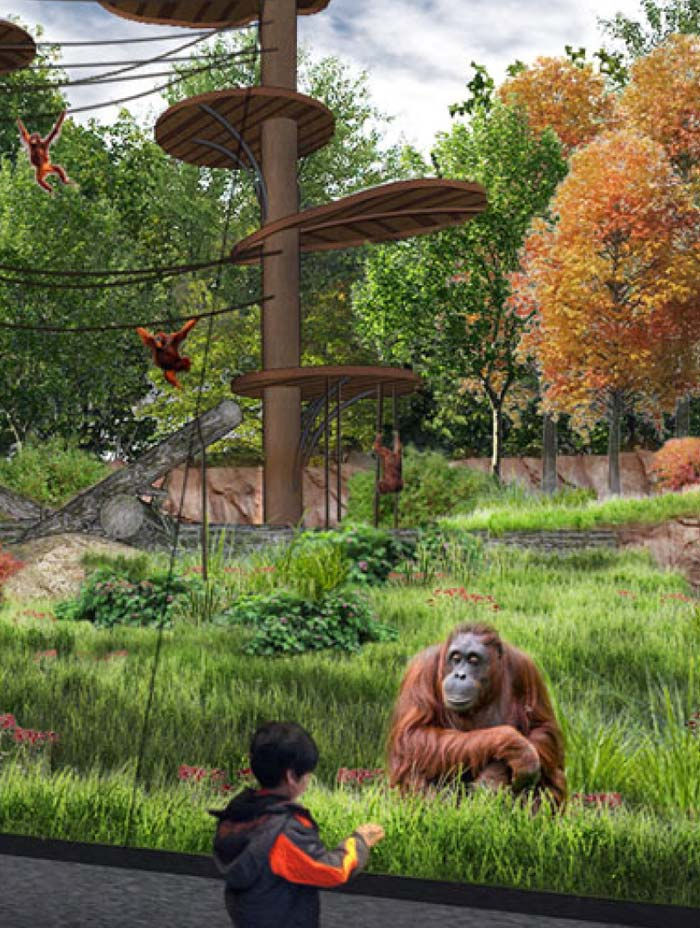
The organic design of the pavilions harmonizes beautifully with the surrounding landscape, creating an immersive experience. Restaurants and service buildings are designed with the same aesthetic. To create the zoo’s environment, 562,000 cubic yards of soil were relocated, and over 1,000 tons of stone were transported from across Ontario. A geologist carefully selected rock formations that not only complemented exhibit designs but also provided appropriate habitats for the animals.
The Toronto Zoo is an immensely popular tourist destination, drawing approximately 1.4 million visitors annually. It is home to 495 species and a total of 5,816 animals (excluding invertebrates).
An interesting fact: in 2016, the zoo welcomed 1.3 million visitors, 174 of whom sustained minor injuries. Nearly all these incidents were linked to reckless behaviour, particularly among children. Overall, the Toronto Zoo is safe—as long as visitors adhere to the rules.
The Toronto Zoo remains a shining example of how urban spaces can prioritize conservation, education, and recreation while fostering a deep connection between people and the natural world.