

Coronation Park is a memorial park in Toronto dedicated to the city’s veterans. Established in honour of King George VI’s coronation in 1937, each tree planted here serves as a gesture of gratitude to those who served during World War I. Learn more about its history and significance below on toronto.name.
Formation of the Men of the Trees
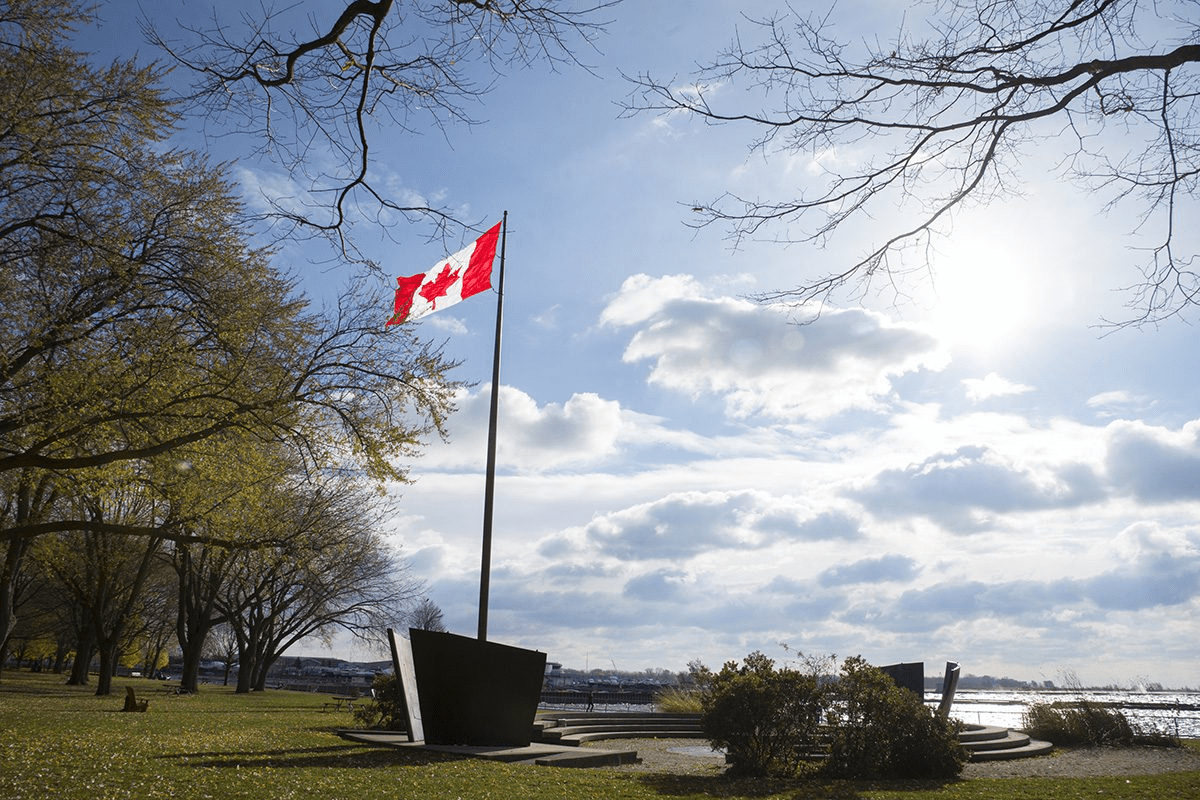
During the Great Depression in 1933, approximately 20% of people struggled with unemployment. The construction of Coronation Park from scratch provided a valuable opportunity for local men to earn money to support themselves and their families. About three-quarters of the workers involved in the park’s landscaping received social assistance to meet their needs.
While this project didn’t solve the financial struggles of all residents, it allowed many to improve their financial situation while contributing to the city’s ecology.
The project was led by Richard St. Barbe Baker, founder of the Toronto-based organization Men of the Trees. Baker began developing the concept for such projects in the 1920s while working as a forester in Kenya.
In 1924, he officially established the Men of the Trees organization, which quickly expanded worldwide. Baker raised awareness about reforestation, and his advocacy for forests and trees led to numerous tree-planting initiatives.
The Men of the Trees played a crucial role in protecting California’s redwood forests and restoring forests in Palestine. Members of the Toronto chapter of Men of the Trees contributed to the design of Coronation Park, with a vision of promoting peace through tree planting, using trees as lasting symbols of remembrance for those who served in war.
Creation of the Park

The design of Coronation Park, including its layout and choice of trees, symbolizes three key themes: the monarchy, the British Empire, and the service of Canadian soldiers during World War I. At the park’s centre stands a large oak tree, representing King George VI, whose coronation in 1937 inspired the park’s creation.
Surrounding this central oak are trees symbolizing territories of the British Empire at the beginning of the 20th century, such as Canada, India, and Australia. Beyond the central zone, another group of trees represents the divisions that served during World War I.
Coronation Park stands as a powerful place of remembrance. In August 1938, organizers unveiled military plaques in the park, with a ceremony attended by more than 200,000 veterans of Canada’s Expeditionary Forces, who had fought overseas in World War I.
Coronation Park has faced two significant threats of demolition. Thanks to protests from community organizations, it was preserved both times.
In the late 1940s, Metropolitan Toronto began planning a major east-west highway, now known as the Gardiner Expressway. Developers proposed relocating Fort York to Coronation Park to accommodate the highway’s construction over the historic site. Two historical societies in Toronto opposed the relocation of the fort and successfully stopped the move.
In the 1970s, plans to expand the Canadian National Exhibition (CNE) threatened to turn Coronation Park into an amusement park. Local war veterans contested the proposal, ensuring the park’s survival.
The Modern Coronation Park
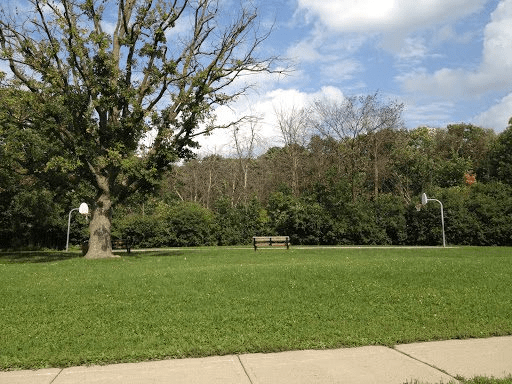
Today, Coronation Park covers 27 acres (11 hectares). Visitors can enjoy its tranquil atmosphere, reflecting on life’s important moments. The park offers scenic views of the waterfront and abundant greenery, providing a peaceful escape from the urban environment.
The Martin Goodman Trail, which runs through the park, is frequented by joggers and cyclists. Closer to the water, the view opens to a backdrop of sailboats on Lake Ontario. Aviation enthusiasts also flock to the park for a perfect vantage point to watch planes taking off and landing at Billy Bishop Airport.
Coronation Park features three baseball diamonds used for softball and baseball leagues in the spring and summer. In winter, an outdoor ice rink is set up for hockey. Additionally, the park includes an off-leash dog area, picnic tables, parking, and public washrooms.
Its stunning natural beauty and fresh air provide visitors with a sense of well-being, calm, and joy.