

Louis Siminovitch is a well-known Canadian molecular biologist. He worked in various national and provincial research organisations. All of Louis Siminovitch’s research focused on the genetics of somatic cells and the molecular biology of mammalian cells.
Each of his studies was unique and contributed to the development of genetics. Learn about the life and work of Louis Siminovitch at toronto.name.
In search of himself
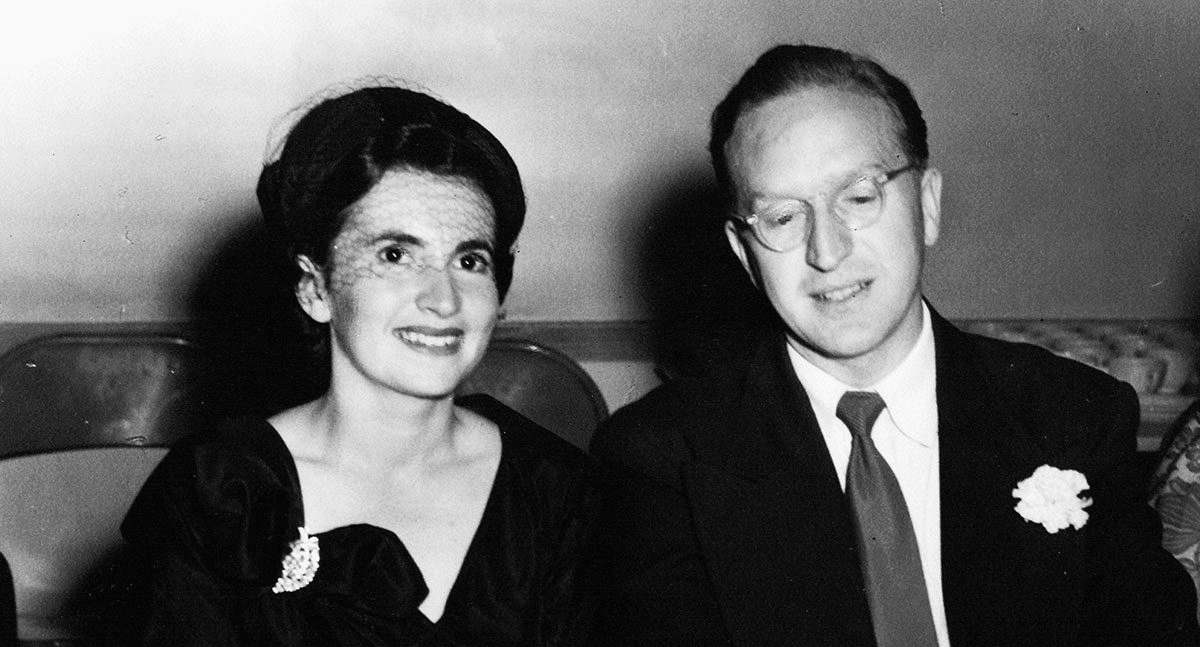
Louis Siminovitch was born in Montreal to a family of Jewish immigrants on May 1, 1920. After high school, Louis entered McGill University, where he majored in chemistry. In 1944, Siminovitch defended his doctoral thesis and received Research Fellowship from the National Research Council in Ottawa and Chalk River Laboratories in Ontario.
From 1947 to 1953, Siminovitch studied at the Department of Molecular Biology at Louis Pasteur University in Paris.
Career development
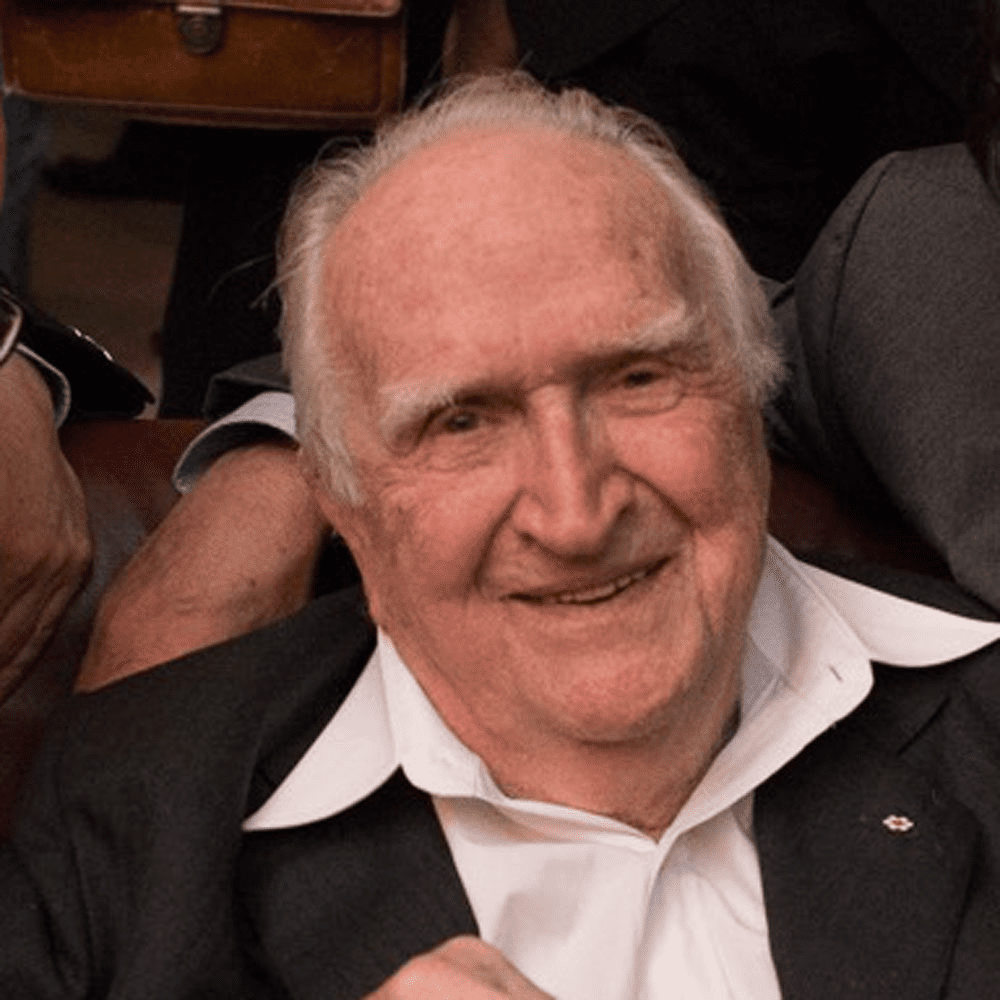
In 1953, Louis moved to Toronto and joined the Connaught Medical Research Laboratories at the University of Toronto. In 1956, he began working at the Ontario Cancer Institute, where he made significant contributions to the research of cancer and stem cells. At this time, Siminovitch joined the Department of Medical Biophysics at the University of Toronto.
In 1969, he established the Department of Medical Cell Biology (now Molecular Genetics) and headed it. In 1970, Siminovitch founded the Department of Genetics at the children’s hospital. From 1983 to 1994, he was director of research at the Samuel Lunenfeld Institute at Mount Sinai Hospital.
High achievements
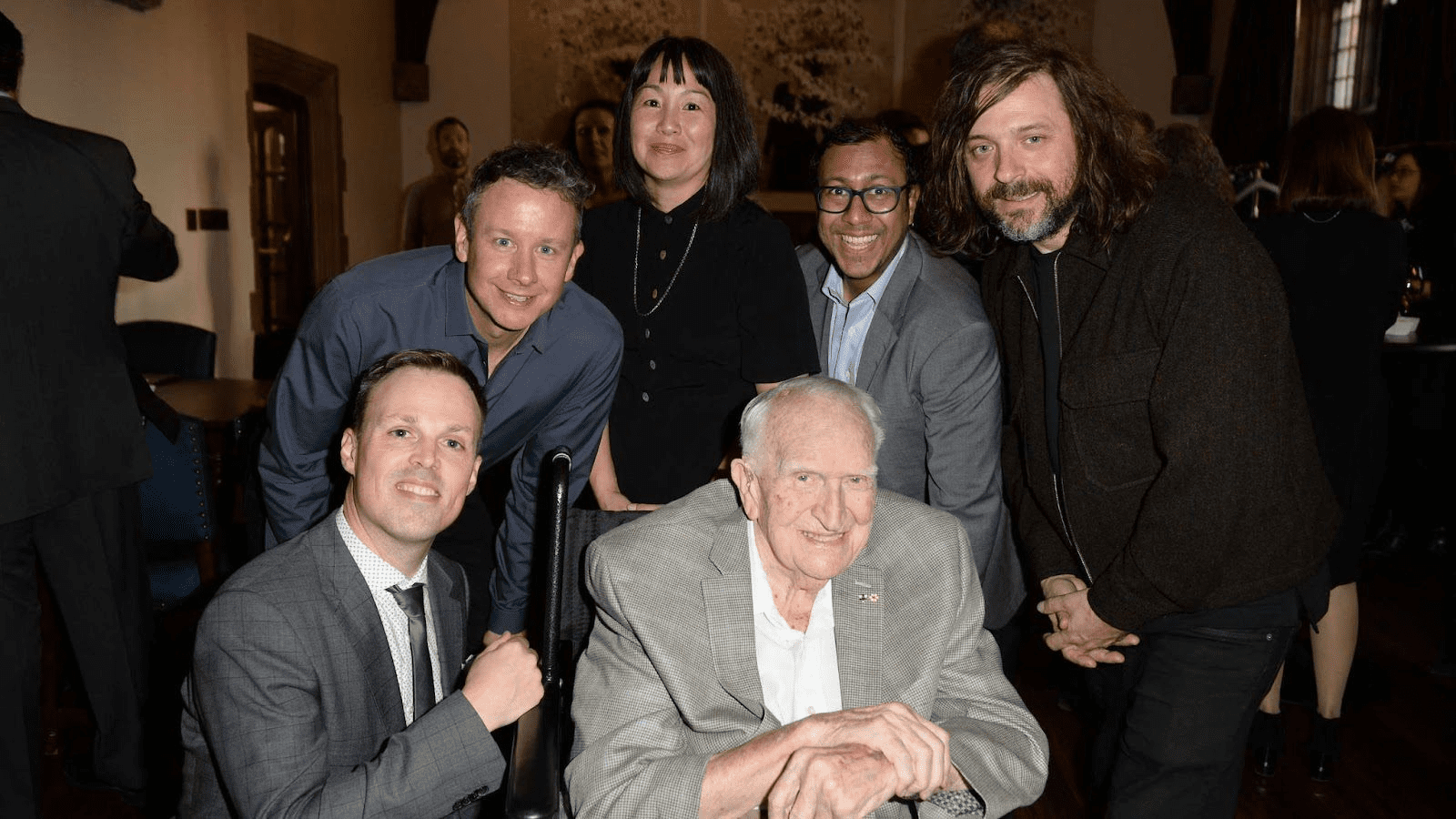
A molecular biologist and the father of genetics, Siminovitch, made a great and important contribution to the study of bacterial and animal genetics, human genetics and cancer research, publishing more than 200 articles. His research papers helped to reveal the genetic basis of muscular dystrophy and cystic fibrosis.
While working at Louis Pasteur Institute in Paris, Louis Siminovitch took part in the experiments of Jacques Monod and André Lwoff who received the Nobel Prize in molecular genetics.
Siminovitch was known as a mentor and researcher. He has played a key role in the creation and development of several of the best research environments in Canada. At the age of 65, Siminovitch was appointed director of Mount Sinai Hospital.
Then Louis created an academic research institute on the basis of this institution. He managed to attract more than twenty world’s most outstanding scientists to the team. Thanks to Siminovitch’s efforts, the LTRI became the best biomedical research institute in Canada.
The scientist played a leading role in the creation of the Ontario Cancer Institute (OCI). Louis Siminovitch strived for perfection in his work, owing to which he received many awards and honorary degrees. Several awards have been named in his honour too. For example, the Elinore and Lou Siminovitch Prize in Theatre was established in 2000.
In 2021, the Department of Molecular Genetics at the University of Toronto announced the creation of the award named after Dr. Louis Siminovitch. In 2023, Mount Sinai Hospital opened a department named after Louis Siminovitch.
Louis owes his career and great achievements to his family. His wife Elinore worked in the Toronto theatre and was a famous playwright. The Siminovitch family was respected not only in Toronto but also far beyond its borders.
Louis’s daughter, Kathy Siminovitch, has followed in her father’s footsteps and also works at Mount Sinai Hospital.
In the spring of 2021, the legendary scientist passed away at the age of 100. He left behind great achievements and many important studies, which are actively used by geneticists and biologists.