

Ernest Armstrong McCulloch is a scientist and honorary biologist of the University of Toronto. He was the first to demonstrate the existence of stem cells to the world. His contribution to science is invaluable. Learn more about the scientist’s life and activities at toronto.name.
McCulloch’s career start as a doctor
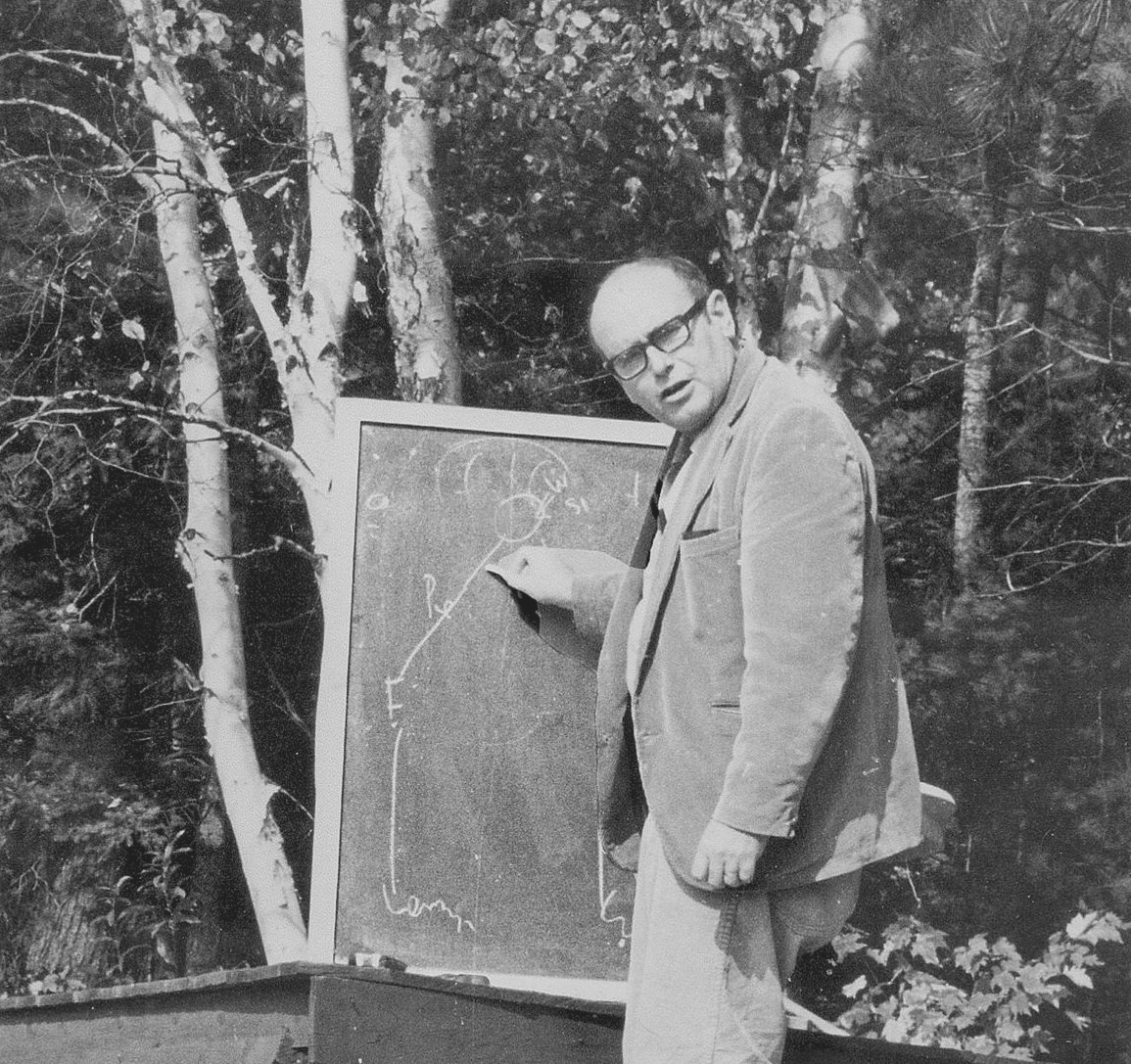
Ernest McCulloch was born in Toronto on April 27, 1926. He was born to a wealthy family, so his parents could give their son a decent upbringing and education. Ernest’s maternal grandfather was a rich businessman and his grandmother invested a lot of time in Ernest’s education.
After graduating from Upper Canada College (a private school for boys), Ernest entered the University of Toronto. As a student, Ernest showed brilliant academic abilities. McCulloch was fond of reading and studying English literature and poetry. Despite his aptitude for the humanities, he decided to become a scientist.
In 1948, McCulloch received his MD at the University of Leicester, London. He worked at that institution for a year, studying vaccines and antitoxins that could be used to prevent diseases. This experience sparked Ernest’s interest in the immune system.
In 1949, McCulloch returned to Toronto and got a job as a doctor at Sunnybrook Hospital. With every year, McCulloch focused more on his research activity.
His career as a researcher
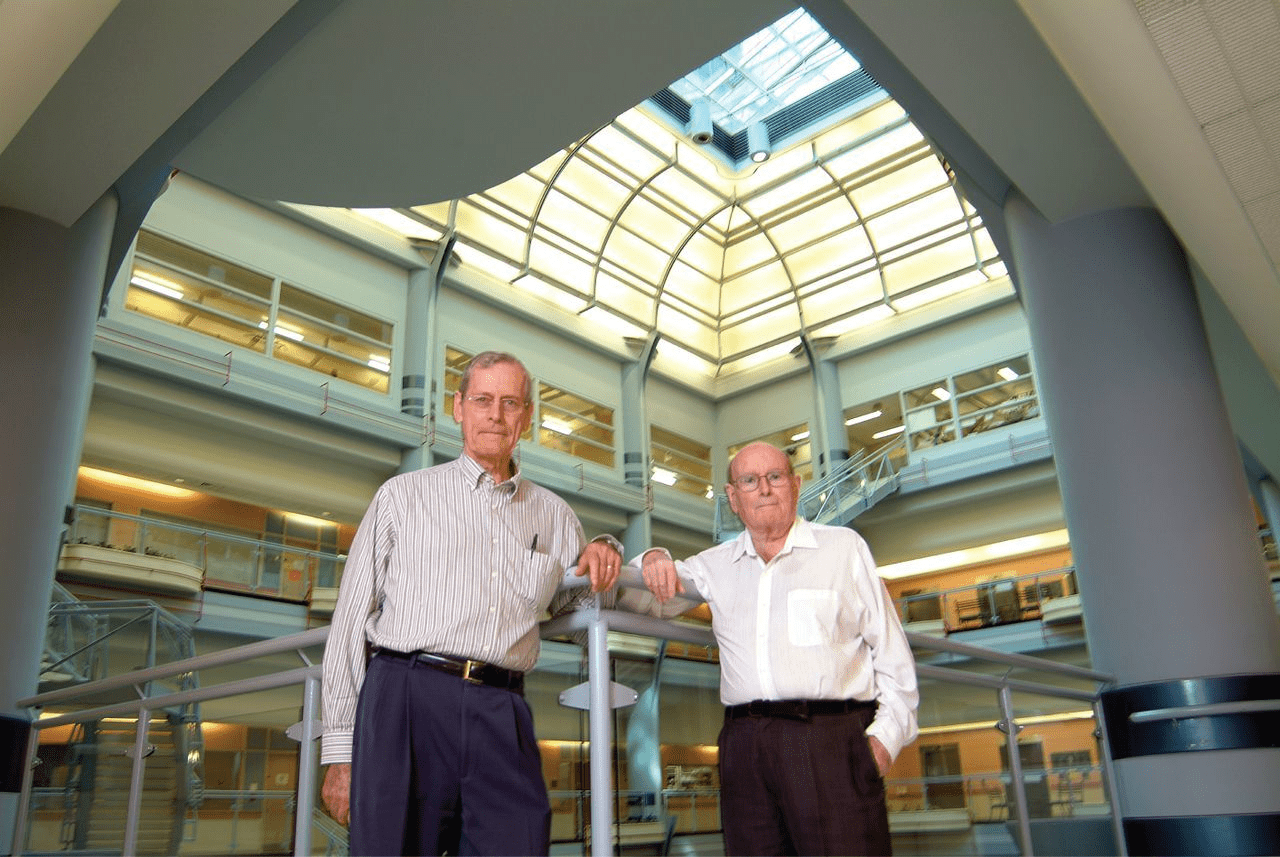
In 1957, McCulloch began working at the newly formed Ontario Cancer Institute. There, he mostly studied normal hematopoiesis and leukaemia. The scientist researched the differences between normal and cancer cells in the blood of patients who underwent radiation therapy at OCI.
In 1960, McCulloch along with his colleague Dr. John Till developed the first quantitative clonal method for identifying stem cells, which they later used to pioneer stem cell research.
Till and McCulloch were the first in Canada to demonstrate that the clonal method for identifying stem cells has the dual capacity for self-regeneration and differentiation into a large number of mature hematopoietic cells. Scientists from other countries conducted their own research based on the scientific findings of McCulloch and Till.
The scientific achievements of McCulloch and Till’s work are quite profound. Therefore, they underlay many breakthroughs in cellular physiology, pathophysiology and tissue transplantation. Regenerative medicine owes its existence to McCulloch’s discovery of stem cells.
Subsequently, Ernest focused his attention on the study and characterisation of malignant human leukaemia cells and determining the effect of various drugs on the growth of leukaemia cells.
McCulloch was not only a great scientist but also a teacher. He has participated in countless scientific advisory committees at the international and provincial levels and was a member of the editorial boards of scientific journals. He held many leadership positions at the University of Toronto and was appointed director of the National Academy of Sciences of the Royal Society of Canada. In addition, Ernest was devoted to the OCI and continued his work there throughout his life.
Personal life and awards
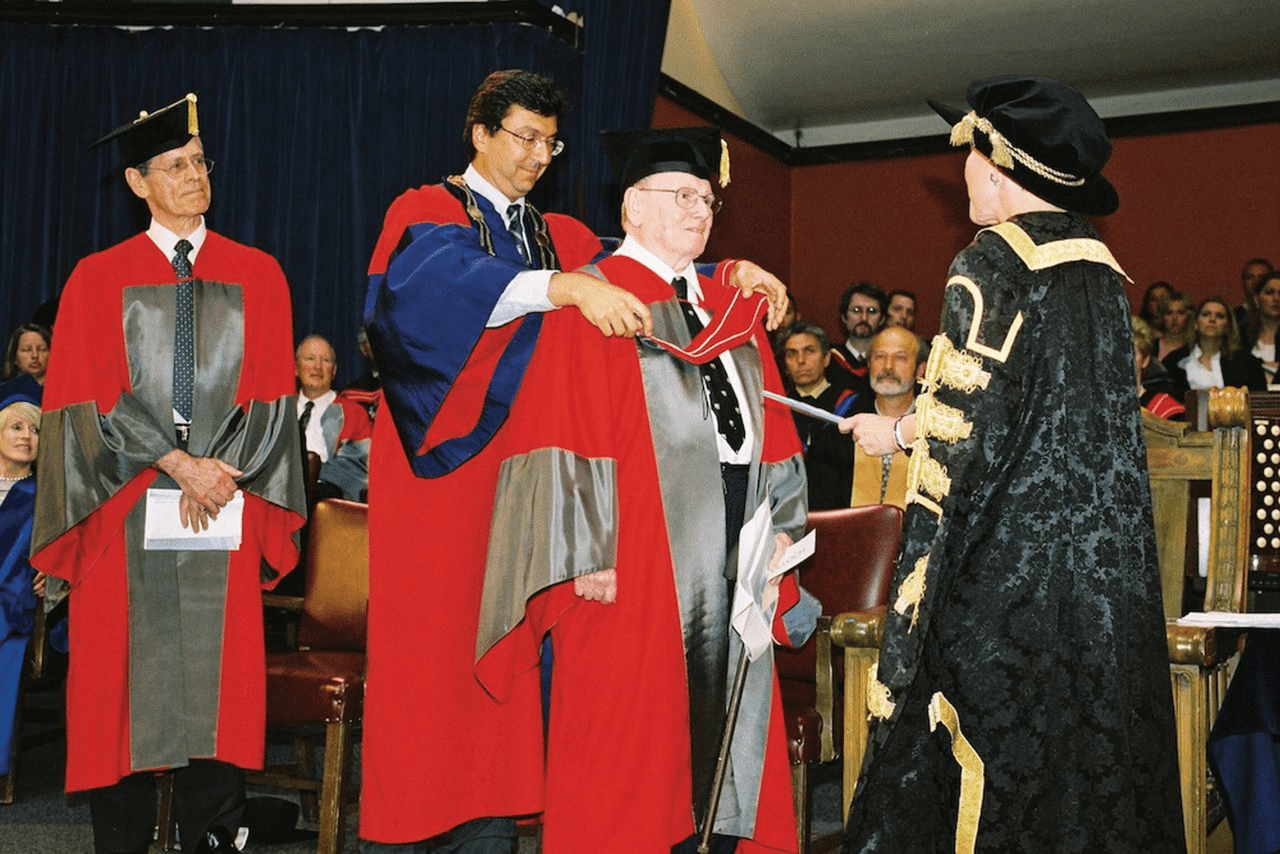
Ernest McCulloch was married to Ona for almost 58 years and they had five children. Ernest loved his wife and children. He spent his free time with his family in his own cottage. The scientist’s favourite pastime there was teaching his children sailing and canoeing. He often took long walks along local forest trails, taking particular interest in trees that were infected with the virus.
Thanks to his conscientious work, McCulloch became a member of the Royal Society of Canada and an Officer of the Order of Canada. The great scientist died on January 20, 2011, leaving behind many scientific achievements that are used by modern scientists.