

Retail commerce in Toronto emerged in the early 1960s, gradually replacing street kiosks and stalls with large supermarkets. As the city’s population grew, these stores spread across the region. Among the first was Nob Hill Farms, whose story is one of extraordinary success. After its opening, it was the only grocery store in Toronto’s east end and later expanded into one of Canada’s largest grocery store chains. Learn more on toronto.name.
Opening of Nob Hill Farms in Toronto
Retail has always been a profitable and in-demand business. Many Toronto residents have built successful enterprises, even starting with small shops. One of these was Nob Hill Farms, a fruit stall opened in 1951 by entrepreneur Steve Stavro, with help from his brother and father. Stavro named the shop after spotting the phrase on a product box from California. At the time, he couldn’t have imagined that 40 years later, he would own one of the world’s largest grocery chains.
Steve left school to pursue a career in retail. He worked with his father and brother, selling goods, handling bookkeeping, and arranging products on shelves, displays, and storefronts. In its early years, Nob Hill Farms had virtually no competitors, attracting large numbers of Toronto residents daily. A wide product selection and excellent customer service ensured high profits for Stavro and his family, supporting the growth of their business.
Growth into a Major Retail Chain: The Rise of Nob Hill Farms in Toronto
Success inevitably comes to profitable ventures. With earnings from the first shop, Stavro opened nine additional stores and markets across Toronto. By 1950, he had become one of the city’s most successful entrepreneurs. His passion for retail was evident as he watched growing customer numbers and interest in working with him. Determined to keep expanding, Stavro reinvested much of his profits into growing the business.
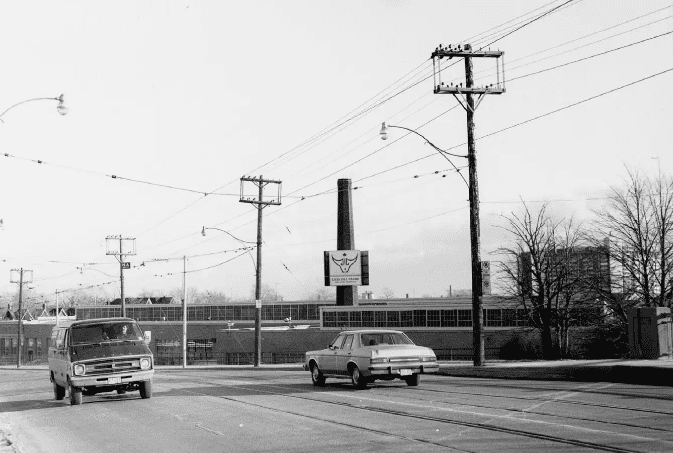
In 1963, Stavro launched his first 60,000-square-metre grocery terminal at Woodbine Avenue and Highway 7 in Toronto, which became Canada’s largest grocery store at the time. The business rapidly expanded, with Stavro introducing modern equipment to enhance efficiency at the terminal.
In 1983, Nob Hill Farms occupied a former factory in Ontario. The facility featured production departments alongside amenities like a pharmacy, bakery, and dental office, creating a comfortable work environment for hundreds of employees.
The next phase of expansion began in 1971, as Stavro’s business reached multimillion-dollar revenues. That year, he opened a second large terminal in Ontario, followed by a third in Toronto in 1975.
In 1976, Stavro acquired another building from General Electric in Scarborough. Plans to build a new terminal faced opposition from local residents concerned about potential damage to nearby developments. The proposal was ultimately rejected, leading to a redesigned plan. The northern section housed a store, while the southern section became Nob Hill Farms’ head office. Within just a few years, Stavro’s grocery chain became one of Toronto’s largest.
How Nob Hill Farms Became Canada’s Retail Leader
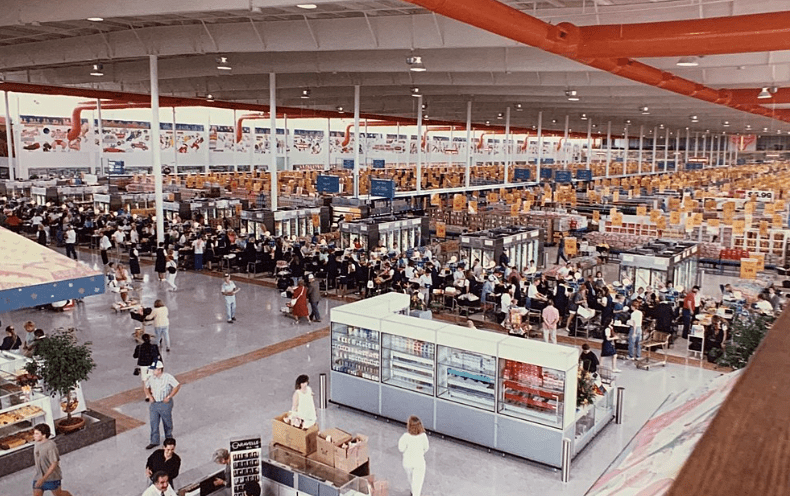
In 1991, Stavro’s business went international with the opening of a grocery terminal outside Toronto. Covering more than 300,000 square metres, it set records in Canada’s food industry and was considered the largest globally. The terminal’s grand opening was a major event, attracting over 20,000 shoppers amid chaotic scenes. Hundreds queued for hours to enter, while the premises featured 1,500 parking spots, 1,600 metres of refrigeration units, and a 150-metre meat counter.
In 1992, the final Nob Hill Farms terminal was opened. Unlike other stores, customers here were offered cardboard and plastic baskets instead of plastic bags. The shopping halls featured a wide variety of goods at affordable prices. Another key advantage was the chain’s strategic locations, with stores situated in various neighborhoods across Toronto and beyond.