

Toronto boasts many scenic natural spots with unique ecosystems, and Edwards Gardens is one such gem. The gardens feature a variety of trees and flowers, with a history dating back to 1817. Learn more about the creation and unique features of Edwards Gardens on toronto.name.
The Milne Estate

In 1817, Scottish miller Alexander Milne arrived in Toronto with his family. He purchased 11 hectares of land and quickly began building his business. The property soon expanded to 24 hectares. Milne established a wool factory, built a home on the grounds of what are now Edwards Gardens, and grew his enterprise.
In 1830, Milne purchased an additional 500 acres of land from James Fitzgerald. However, the soil in the Edwards Gardens area did not yield the expected crops. As a result, Milne left his estate and relocated closer to the Don River, which flows through the gardens.
There, he established a farm and operated a water mill beginning in 1846. The estate also included a sawmill, a dry goods store, a wagon workshop, housing for workers, and barns. At its peak, Milne’s industrial complex produced over 2,000 metres of fabric and more than 100,000 metres of lumber annually.
In 1876, a severe flood destroyed much of Milne’s business. Following this disaster, he decided to sell the land. Subsequent owners attempted to improve the property but quickly abandoned their efforts.
The Gardens’ Transformation
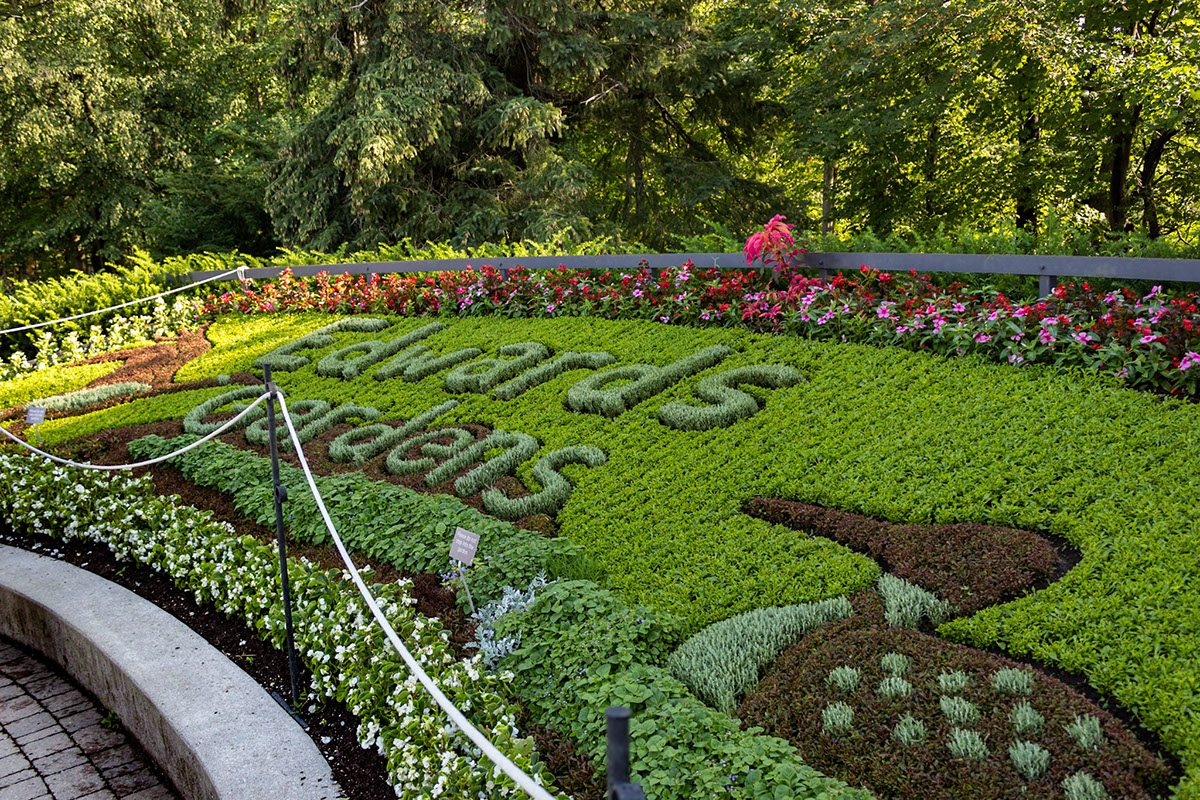
The site saw a significant change in 1944 when Toronto businessman Rupert Edwards purchased the land. Edwards had long dreamed of owning a vast property with open spaces and ample room for relaxation.
Over time, he transformed the estate into stunning gardens that featured one of Canada’s largest rose gardens, a private nine-hole golf course, and a safe haven for diverse wildlife.
In 1954, Edwards sold the land to the Metropolitan Toronto Council. By 1956, Edwards Gardens was officially opened to the public. The Toronto Garden Club shared the Milne House with the Federation of Ontario Naturalists. They envisioned creating a centre where Toronto residents could learn about horticulture, leading to the establishment of the Toronto Botanical Garden.
The botanical garden, located within Edwards Gardens, reflects the scale of a typical urban environment, allowing visitors to apply its ideas in their own gardens. Open year-round from dawn to dusk, the garden offers free entry.
In addition to admiring the picturesque surroundings, visitors can participate in numerous educational programs, including lectures, workshops, courses, and guided tours held both indoors and outdoors.
Each year, Edwards Gardens evolves and improves, with new flowers and trees being planted to provide Torontonians and visitors with opportunities to enjoy nature’s beauty and receive practical gardening advice.
Highlights of Edwards Gardens
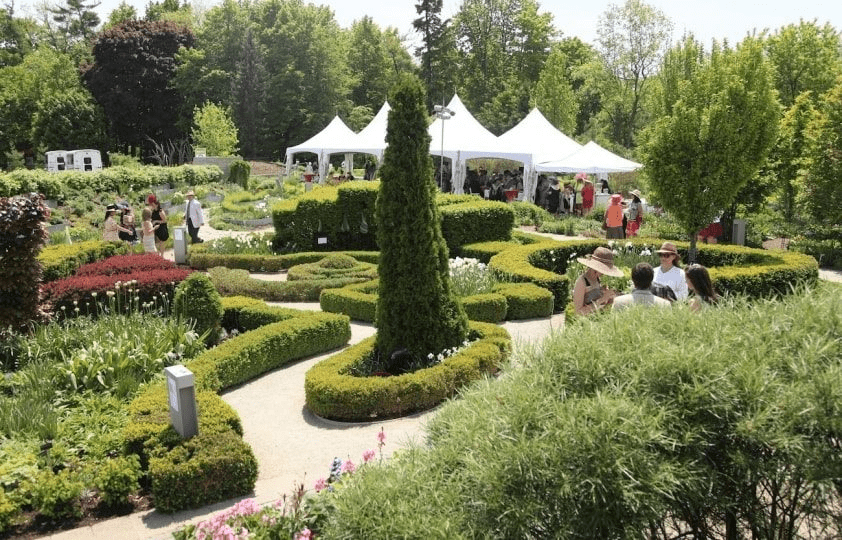
Spanning 4 hectares, Edwards Gardens features 17 themed gardens. The highlight is the Woodland Walk, home to a variety of trees, shrubs, perennials, and a wildflower meadow. Another standout is the Entry Garden Walk, maintained by the Toronto Garden Club, showcasing perennial plants and ornamental grasses arranged in a refined meadow design.
Additionally, the site includes a building with two large green roofs—one flat and planted with perennials, the other sloped and covered with sedum varieties.
The well-maintained lawns and flowerbeds of Edwards Gardens make it a popular spot for walks and photography. This picturesque location offers visitors a chance to relax and connect with nature in a tranquil setting.