

Renewable or alternative energy is typically derived from natural processes and replenished at a rate equal to or faster than it is consumed. There are various forms of renewable energy, which are sourced either directly or indirectly from the sun or the earth’s heat. More on toronto.name.
With its vast area and diverse geography, Toronto possesses abundant renewable resources that can be harnessed for energy production. These include moving water, wind, biomass, solar, geothermal, and ocean energy. Moreover, Canada is a global leader in the production and use of energy from renewable sources, with renewables accounting for 16.9% of Canada’s total primary energy supply in 2022.
Research and Projects
Energy use is one of the primary contributors to climate change. According to the National Round Table on the Environment and Energy (NRTEE), addressing energy’s impact on climate change requires focusing on two key areas: how energy is used and how it is produced. Toronto’s renewable energy programs aim to tackle the latter. For example, the energy trail at Kortright Centre provides one of Canada’s largest demonstrations of renewable energy, educational programs, and public outreach initiatives.
Additionally, the Renewable Energy Roadmap project identifies strategic actions to advance alternative energy technologies. In February 2009, Toronto and Region Conservation (TRCA), in collaboration with York University’s Faculty of Environmental Studies, released a report titled “Ontario’s Road Map to Prosperity: Capturing the Full Potential of Renewable Energy.” This report analyzed barriers to alternative energy adoption and presented several recommendations.
The roadmap emphasizes three core principles for maximizing the benefits of renewable energy development in Ontario:
- Building a robust domestic market: Prioritizing sustainable renewable energy development.
- Developing financial infrastructure: Ensuring Toronto residents can actively invest in renewable energy initiatives.
- Strengthening educational networks: Preparing a skilled workforce for manufacturing, designing, installing, and maintaining renewable energy systems and related infrastructure.
Rooftop Solar Panels
Toronto and Region Conservation actively promotes the adoption of rooftop solar panels among property owners and facility managers across the Greater Toronto Area. The Rooftop Solar Program addresses challenges, barriers, and solutions to expand the rooftop solar market in industrial and commercial developments.
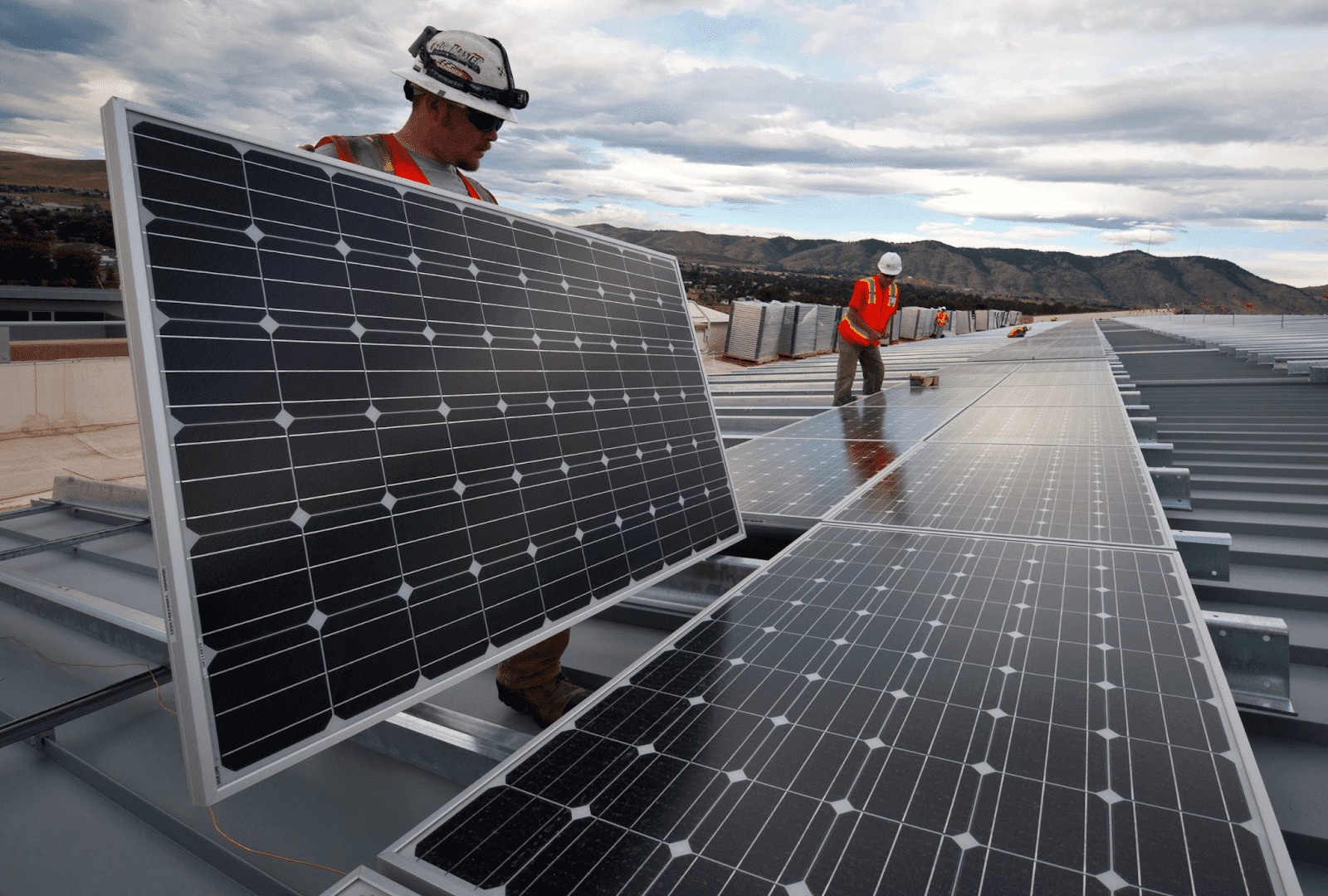
Key initiatives within the program include:
- Rooftop Solar Research: Analyzing local, national, and international examples of rooftop solar installations. This includes reviewing relevant legislation and policies in municipalities, Ontario, and the Canadian federal government.
- Focus Group Interviews: Conducting interviews to identify major issues and barriers limiting rooftop solar projects.
- Stakeholder Workshops: Hosting workshops for up to 50 stakeholders to discuss findings from rooftop solar research and refine recommendations collaboratively.
- Final Report: Consolidating input from the workshop to finalize a report with actionable recommendations for TRCA and its partners.
Bioenergy and Wind as Toronto’s Alternative Sources
Bioenergy is generated by releasing the stored chemical energy in fuels derived from biomass, which itself is a product of solar energy accumulated through the photosynthetic activity of plants. Biomass includes agricultural and forestry residues, such as straw or sawdust from lumber mills.
Bioenergy has been used for centuries, dating back to early human use of fire for heat, light, and cooking. A promising energy source for Toronto involves capturing methane gas from green bin programs, sewage facilities, and landfills during the decomposition of organic materials. Burning this methane to generate heat and electricity reduces its contribution to global warming by more than 90%.
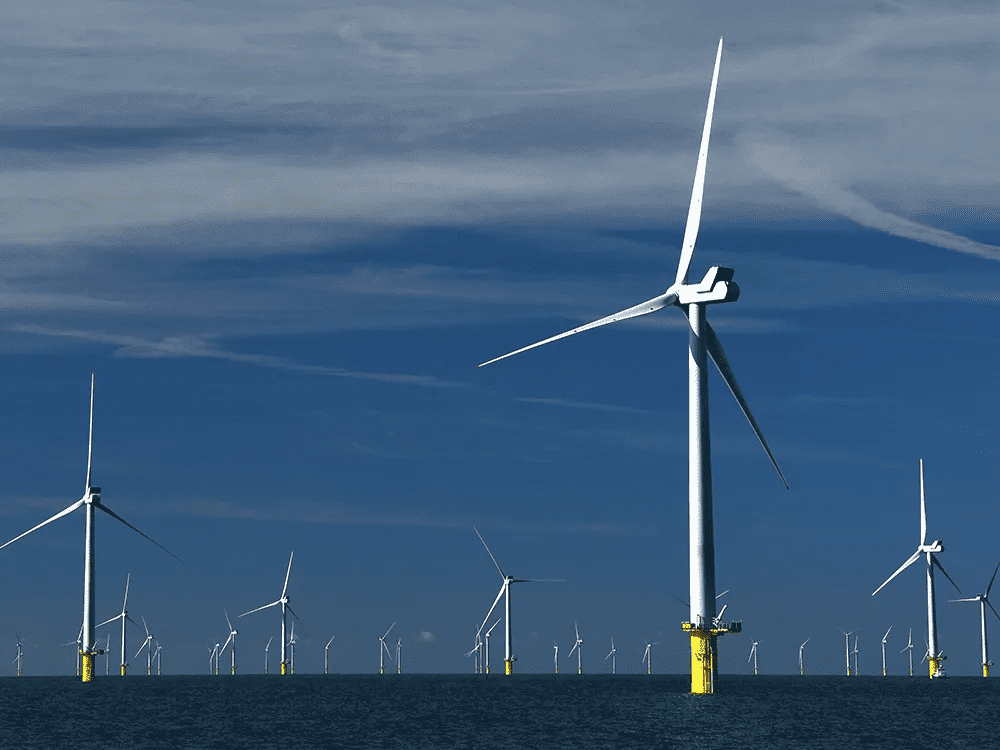
Similarly, wind energy is a clean, renewable source of electricity. Wind turbines harness strong, steady winds to produce power without polluting the environment. Wind energy requires minimal land use and has a negligible impact on wildlife when turbines are strategically placed. Moreover, wind farms can coexist with agricultural operations, using only 5% of the land for turbines, equipment, and access roads, while the remainder remains available for farming or grazing.
The Greenest Energy Source: Not Using It
Using less energy doesn’t mean living in darkness. Instead, it involves maximizing the efficiency of electricity and gas consumption by adopting measures to reduce energy waste. Doing so not only lowers energy bills but also minimizes environmental impact.

Simple ways to save energy include:
- Adjusting heating or cooling settings and dressing appropriately.
- Installing LED (or compact fluorescent) bulbs in the four most-used light fixtures. They consume significantly less energy and last longer than traditional bulbs.
- Turning off lights and appliances when not in use.
- Using lower washing machine temperatures and full loads for laundry.
- Conducting an energy audit of your home or small business to identify opportunities to save money and protect the planet.