

Water is an invaluable resource, writes toronto.name. It is essential for life, making it truly a “life-sustaining elixir” for all living things.
However, the process of purifying and filtering water is challenging. To be safe for human consumption, water must be thoroughly cleaned and free of harmful bacteria and infections.
Unfortunately, many cities around the world once struggled to provide clean water and reliable water supply systems.
Canada was no exception. A look into the past of many Canadian cities reveals that most were unable to provide their populations with safe drinking water.
In Toronto, residents suffered from various infections and illnesses due to the lack of clean water.
The shoreline was heavily polluted with household and industrial waste, leading to a “water crisis” among the population.
The government quickly recognized the severity of the issue and took steps to resolve it.
What happened next is detailed in our article, based on information from toronto.ca.
A Critical Issue
During the 19th century, one of Toronto’s most pressing issues was the lack of safe drinking water.
The city’s water sources along the shoreline were heavily polluted with waste from residential homes and industrial facilities.
This resulted in widespread illness among the population, with people falling victim to various infections and viruses. These diseases took a significant toll on the health of Toronto’s residents.
Water is essential for survival, but when it is contaminated with harmful bacteria, it poses a severe risk to human health.
A Government Solution
The government faced the challenge of quickly establishing a reliable water supply system for the city.
By 1842, water was manually pumped from sources such as streams, lakes, and wells.
Water delivery was handled by water carriers, improving public health almost immediately. For the first time, residents had access to clean and safe water, leading to a notable improvement in their physical well-being. Gradually, the fear of waterborne diseases began to fade.
Private Management
Between 1843 and 1872, Toronto’s water supply was managed privately by a company called Furniss Works, owned by a Montreal businessman.
A New Era
In 1872, Furniss Works was purchased by Toronto’s municipal government.
Water supply became publicly owned and was managed by the newly established Waterworks Commission.
The Suburban Situation
In areas outside the city, the situation was different.
Before the unification of municipalities, each suburb had its own treatment facilities and pumping stations.
Up until the 1950s, municipal structures handled water treatment, using streams and wells as water sources, which were sufficient for the time.
Further Developments
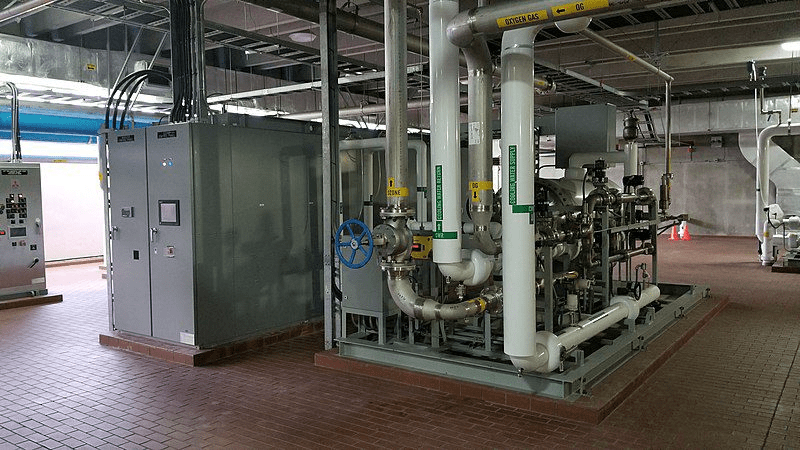
The 1950s brought significant changes to Toronto’s water supply.
In 1954, Metro Toronto was established.
By 1975, the water supply was extended to include York.
In 1998, the city’s water supply system reached a new milestone with the creation of Toronto Water. Since then, the organization has been responsible for providing the city with water.
Photo: wikipedia