

The Toronto Botanical Garden (TBG) has been and remains a centre for horticultural education and information. However, the TBG is not just a building; it is a symbol of spirit, dreams, and creative ideas. Some people even say that as soon as they step onto the grounds of the garden, their well-being immediately improves. Read more at toronto.name.
The Origin Story
Because of its location, many people think that the TBG and Edwards Gardens are the same place. But this is not the case. Edwards Gardens is a public park owned and operated by the City of Toronto. The TBG is a volunteer-based charitable organization dedicated to spreading knowledge about gardening and horticulture. However, these two places undoubtedly share a common history.
In 1817, a Scottish miller named Alexander Milne settled on the land we now know as Edwards Gardens. He later established a business on the same site with his family. The land remained in the Milne family’s ownership for over a hundred years. Subsequent owners also took great care of the territory, improving it, but over time, the vast plot of land was transformed into an incredible garden. This happened in 1944. It was then that businessman Rupert Edwards purchased the property to fulfill his dream of creating “a magical place in the midst of nature, with plenty of space to feel free and take a deep breath.”
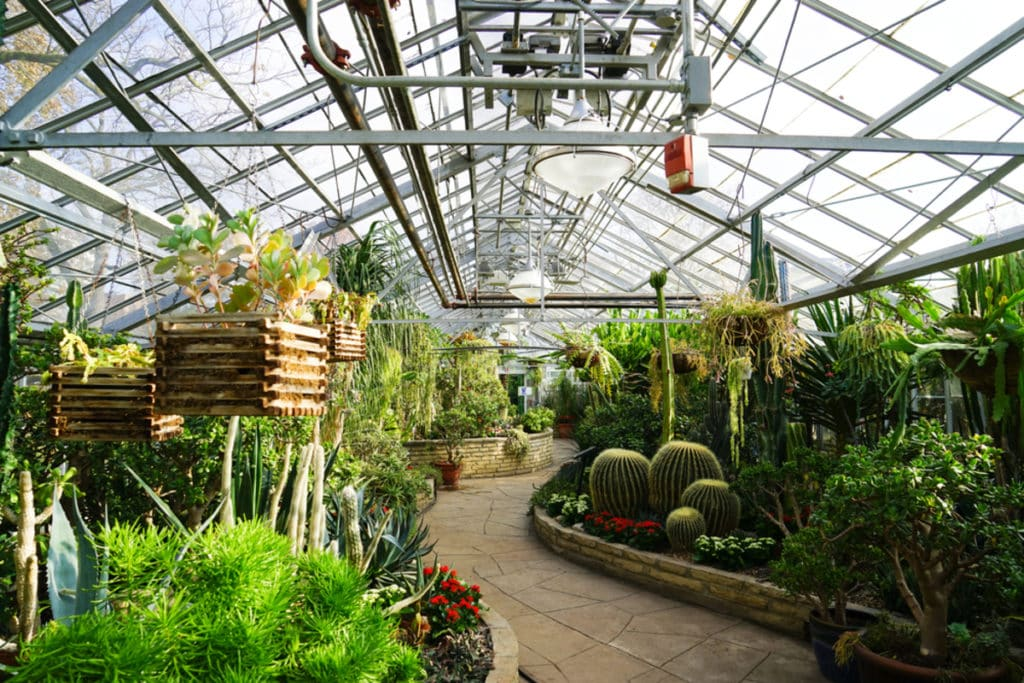
Edwards transformed the area into a lavish garden featuring one of Canada’s largest rockeries, a private 9-hole golf course, and a safe haven for the rich local wildlife. Ten years later, as the city began to expand into this area, Edwards decided to sell the property. Wishing to preserve the estate as a public park, he sold it to the then-Metropolitan Toronto Council.
In 1956, Edwards Gardens was opened to the public. The Garden Club of Toronto also emerged, located in the Milne House along with the Federation of Ontario Naturalists. The members of the Garden Club dreamed of creating a centre that would provide horticultural information to all interested city residents. The result of this dream was the Toronto Botanical Garden. Since then, the TBG has significantly expanded its educational programs and services.
What Does the Botanical Garden Look Like?
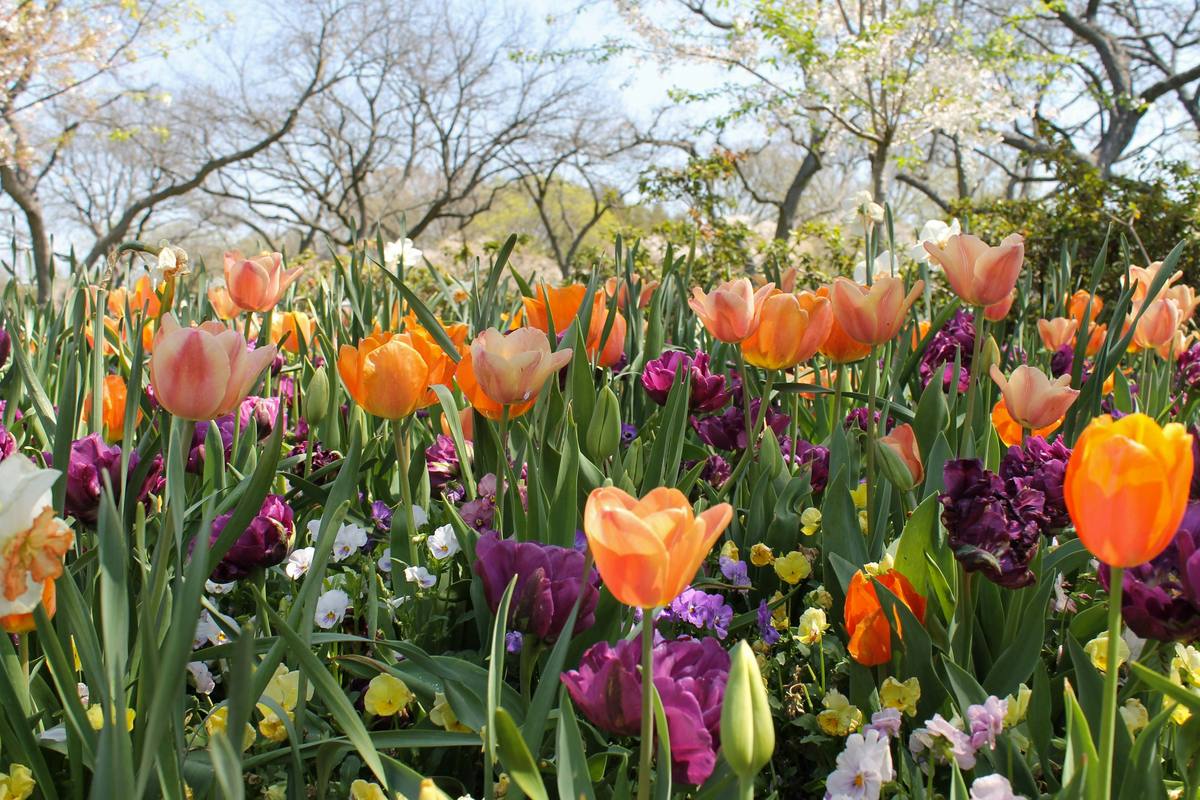
The pollinator garden provides a rich, nurturing environment for butterflies, bees, moths, ants, and other insects. As spring begins, pollinators emerge from hibernation to enjoy the daffodils, crocuses, and lilacs that bloom throughout the garden. This “feeding festival” continues all summer, when the roses and milkweed are in bloom. In the fall, the garden is adorned with cornflowers and asters. Afterwards, the flower stalks are left for the winter to serve as shelter and a home for various insects until the next season. The green roof garden is an ideal example of sustainable development. The blooming roof conserves excess rainwater, preventing it from running off into the sewer system, and also reduces summer heat from surrounding buildings and the hot parking lot.
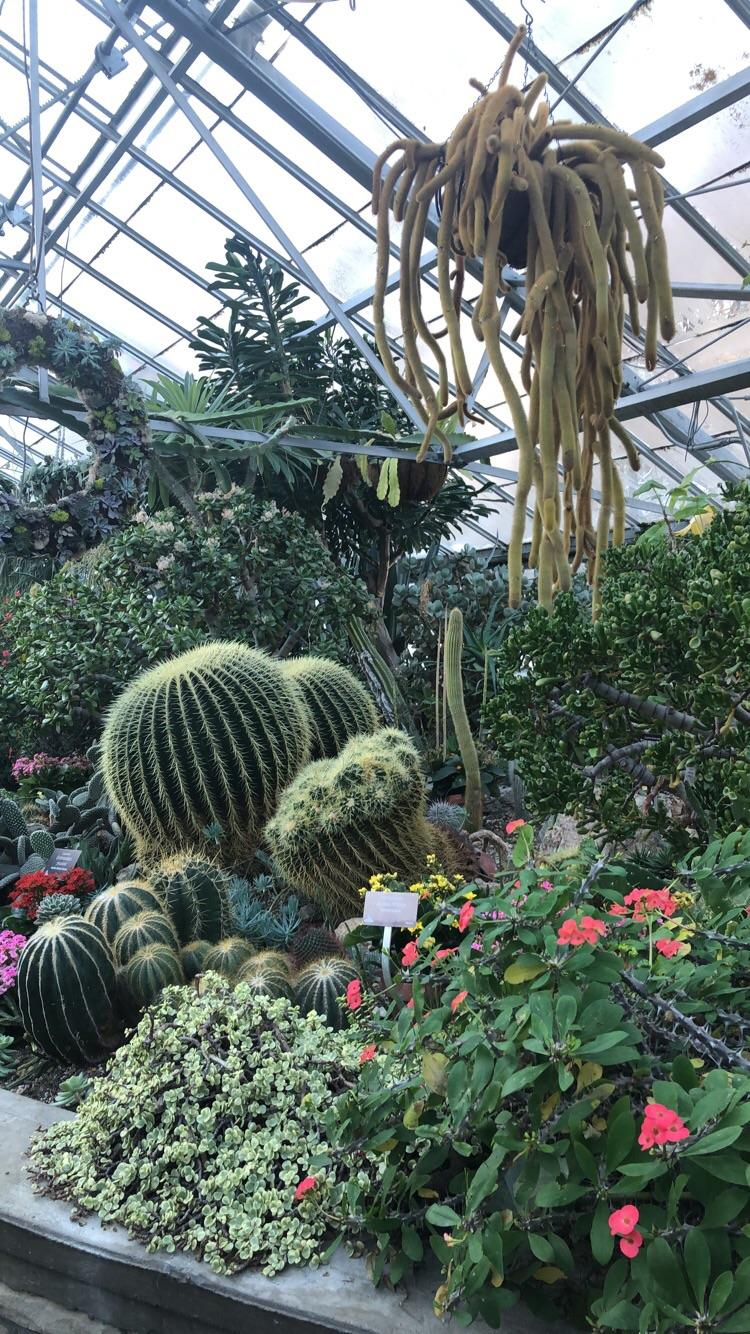
The Teaching Garden is a core part of school programs and educational initiatives for children. The kids help plant seeds and harvest vegetables while learning about plants. It’s a wonderful place where they can immerse themselves in the study of nature, hold a worm, participate in gardening, and connect with the world around them. Sometimes, the children compete with squirrels to see who can gather the tomatoes first.
Educational Programs and Events. Learning for Children
In 2006, a series of themed green spaces covering nearly four acres was opened at the Toronto Botanical Garden. They were created specifically so that Toronto residents and tourists could not only enjoy nature but also receive practical advice for caring for their own gardens. Furthermore, the green spaces reflect the scale of a typical urban environment, making it easy to implement понравившиеся ideas and concepts on one’s own property.
The Toronto Botanical Garden offers a wide range of educational activities, both indoors and outdoors. People of all ages can join in the learning. This includes courses, lectures, workshops, special events, garden tours, and access to a large horticultural library. Throughout the year, programs are even organized for children and other community groups. Such events usually take place in the James Boyd Children’s Centre or in the outdoor teaching garden within Edwards Gardens. Since 1998, the TBG has offered a multitude of programs aimed at sparking children’s curiosity about nature and gardening through hands-on activities. Every year, TBGKids teaches over 6,000 children through school trips, summer camps, spring break programs, family events, and community initiatives. The learning takes place in a special garden with demonstration beds and an organic vegetable patch that the children plant themselves and later harvest. Each year, the TBG donates the vegetables grown in the garden to the North York Harvest Food Bank.
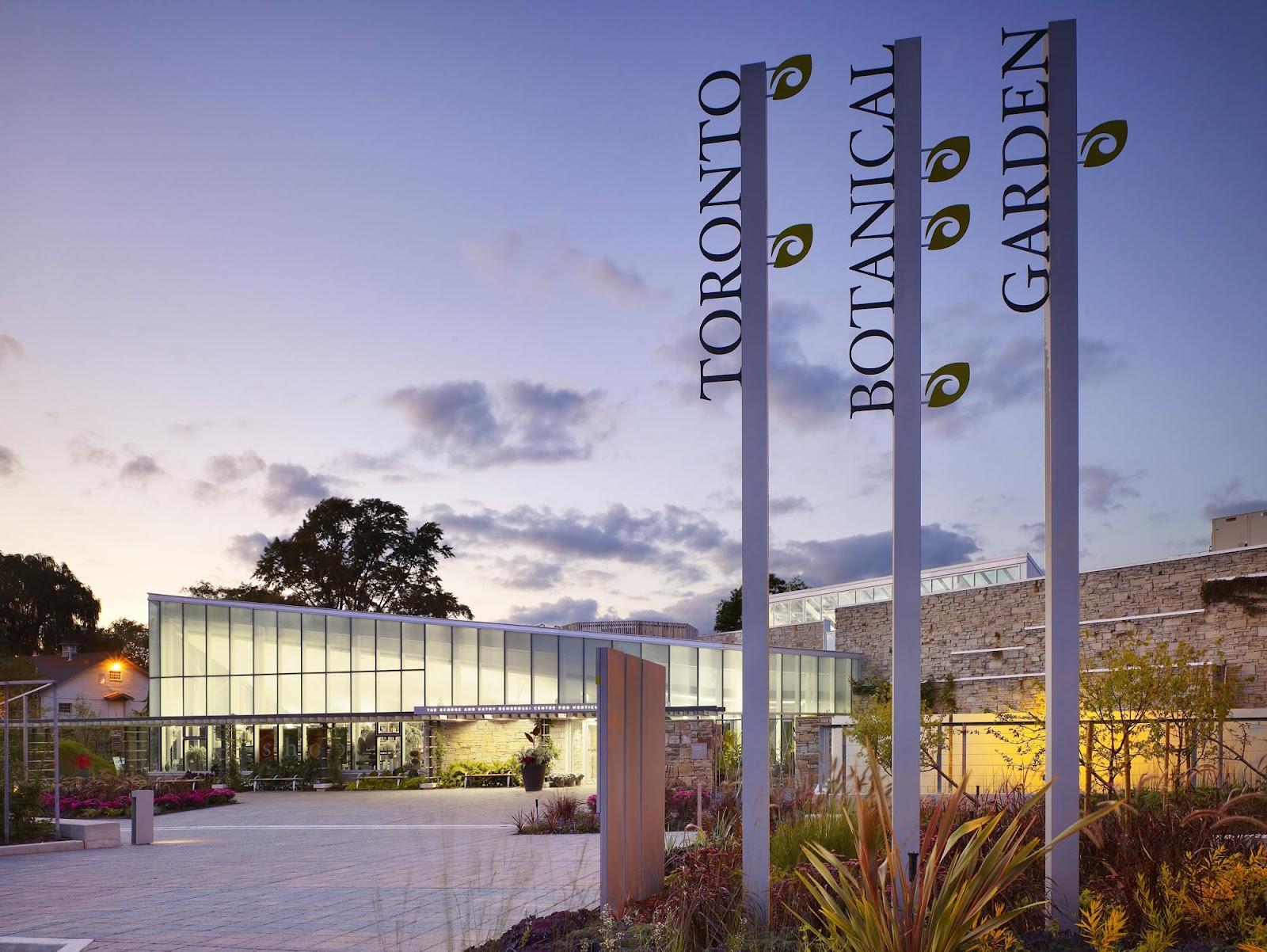
The George and Kathy Dembroski Centre for Horticulture, renovated in 2005, received a Toronto Green Award and a LEED (Leadership in Energy and Environmental Design) Silver certification. The building features a stunning 5,000-square-foot glass pavilion with a sloping green roof that helps reduce heating and cooling costs and manages rainwater runoff. Inside, there are numerous halls and studios with open courtyards that are perfect for weddings, business meetings, and other private events.
Despite the changes that the Toronto Botanical Garden has undergone, it remains true to its origins, as its primary mission has always been and continues to be to inspire, support, and inform.
Learning for Adults
Each year, the Toronto Botanical Garden offers about 20 courses for adults related to gardening. Among them are: urban vegetable gardening, container gardening, urban beekeeping, botanical art, floral design, nature, photography, and healthy living. Special events include the HortiCULTURE Salon Series, the TBG Lecture Series, tours of the Royal York Hotel’s rooftop garden with lunch, bus tours, and the “Grow, Cook and Relish Series.” The courses include lectures, discussions, and often involve hands-on activities. The programs change with the seasons, so students are always provided with up-to-date information to help them care for their own gardens. The main mission of these courses is to connect people with plants and the natural world.
The Weston Family Library at the Toronto Botanical Garden
The Weston Family Library, located at the Toronto Botanical Garden, is Canada’s largest private horticultural library. Its resources cover topics related to home gardening, including landscape design, flower arranging, plant species, growing herbs and vegetables, urban agriculture, and more. The collection includes children’s books, reference materials, magazines, DVDs, and historical and rare editions.
Materials from the library can only be borrowed by its members, but the space is open to the public, so anyone can browse and use the resources on-site. The library itself also hosts courses and programs for adults and children. In addition, there is an art gallery with exhibitions dedicated to horticultural themes.