

Toronto is recognized as one of the most comfortable cities to live in Canada, partly thanks to its high level of environmental consciousness. Modern purification systems, a wide range of natural products, beautiful landscapes, and recreational areas—these are just a few reasons why locals love their city. Learn more on toronto.name.
Red Maple Leaf
This is one of Canada’s official emblems, often seen in Toronto. The red maple leaf is featured in the city’s name sign near City Hall, visually linking Toronto to Canada. It also appears on the city’s flag, adopted in 1999.
Additionally, the red maple leaf is part of High Park, Toronto’s largest landscaped area. Shaped into a flower bed, it is visible from the hilltop, surrounded by trees and walking paths. This scenic spot is one of the park’s most popular areas. Visitors can take leisurely walks, relax on the grass, enjoy natural views, and take photos with the city’s iconic eco-symbol.
Islands South of Downtown
Toronto is more than a metropolis filled with skyscrapers; it also offers many natural retreats. One of the most unique is the Toronto Islands Park, a recognized eco-symbol of the city.
The park consists of 15 interconnected islands accessible by a 13-minute ferry ride from downtown. Local residents began developing the islands after World War II, adding numerous structures. In 1967, the area saw the addition of the Centreville Amusement Park and a yacht marina. Since then, the islands near downtown Toronto have become a popular recreation area for both residents and tourists.

Visitors can enjoy various activities and take in picturesque views of both nature and the cityscape. The park offers beaches, water equipment rentals, and Ontario Lake activities such as boating and kayaking. It’s also an ideal spot for sports and nature walks, with plenty of sports facilities, playgrounds, and even a zoo.
To explore all the islands, visitors can rent bikes. The park features numerous paths, bridges, and grassy trails, allowing for stops at relaxation zones, a chance to enjoy the lake breeze, and moments to connect with nature.
High Park
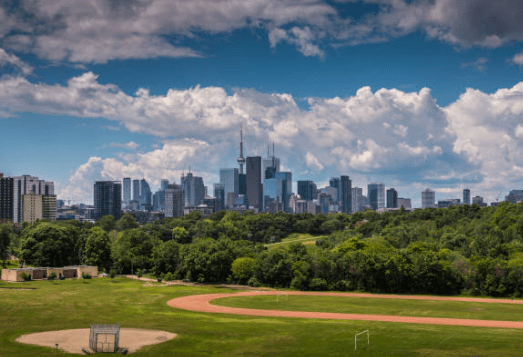
Toronto’s largest park, High Park, is a natural oasis in the city, spanning 161 hectares. It features numerous recreational zones popular with children and adults alike. Visitors can stroll along the shore of Grenadier Pond, home to ducks and other birds, or explore Hillside Gardens, filled with hundreds of flowers and trees and offering breathtaking city views.
High Park is perfect for family outings, with sports fields, picnic areas, hiking trails, playgrounds, and even a city zoo.
Each season brings unique beauty: cherry blossoms in spring, golden foliage in autumn, summer literary evenings outdoors, and winter activities like sledding and ice skating. High Park offers a special atmosphere year-round.

Ripley’s Aquarium
Curious about marine life? Ripley’s Aquarium, one of Canada’s largest, provides this opportunity in downtown Toronto. It houses 5.7 million litres of water with over 20,000 freshwater and marine species from 450 varieties. The aquarium also boasts one of the largest jellyfish collections on the planet and numerous sharks.
The most fascinating feature is the glass tunnel with a moving walkway. Here, visitors feel as though they’re walking on the ocean floor, surrounded by sharks, rays, turtles, jellyfish, and fish—up close and personal.

The Oak—Toronto’s Tree Emblem
Trees play a crucial role in maintaining Toronto’s high environmental standards. They provide shade, purify air, and absorb water. In 2022, Toronto residents voted online to choose their favourite tree species from birch, maple, oak, and pine. Oak emerged as the winner, becoming the official tree of Toronto and an eco-symbol of the city’s green spaces.
Mayor John Tory remarked, “Oak is an important part of Toronto’s urban landscape. It is a fitting representative of Toronto and plays a vital role in our history,” as cited by russianweek.ca.
Toronto Zoo
One of the top three largest zoos in the world, the Toronto Zoo is home to animals and birds from various continents, housed in climate-controlled environments. Visitors can spot rare species like hummingbirds, Indian elephants, and snow leopards.
Nature lovers will enjoy exploring the zoo, which is divided into zones by continents—Africa, Europe, Malaysia, Australia, and Canada. The 10-km trails connecting the animal habitats make the experience even more immersive. For convenience, visitors can opt to ride the zoo train, a vehicle with four compartments that offers breathtaking views of hundreds of bird, animal, and fish species. The dinosaur exhibit is also a major attraction for photography enthusiasts.

Niagara Falls
One of the largest and most beautiful waterfalls in the world, Niagara Falls attracts 20 million visitors annually. Located 130 km from Toronto, it’s easily accessible by car or tourist bus.
The roar of the falls is audible from several kilometres away. Visitors can view this natural wonder from various locations, including highways, observation decks, and hotel rooms nearby. Niagara Falls consists of three waterfalls, with 3,100 tons of water cascading every second. Despite the wet and windy conditions, tourists don raincoats and head to the viewing platforms, or take a boat ride to see the falls up close.
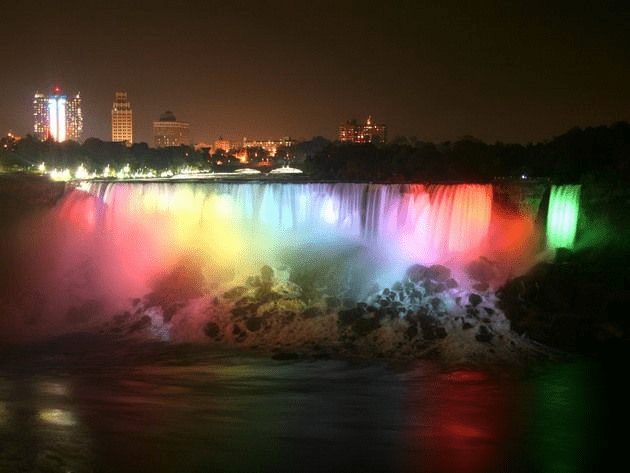
Niagara Falls is stunning in every season. Winter blankets the area in snow and ice formations; spring brings thawing ice and rushing water; summer features sunny days with occasional rainbows over the falls. At night, the illuminated falls create a magical spectacle.
Allan Gardens Conservatory
Toronto’s nature is unique and diverse, surprising tourists with tropical plants, rare birds, and wildlife. Among the must-visit sites is Allan Gardens Conservatory, Toronto’s oldest botanical garden. It features five winter greenhouses filled with plants collected from around the world.
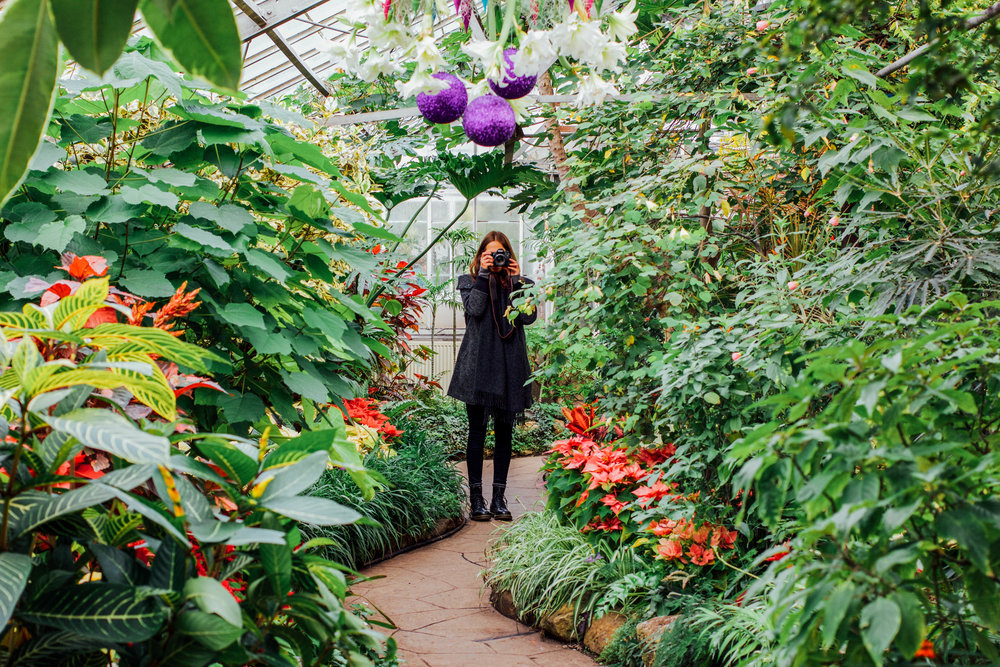
These greenhouses house orchids, bromeliads, hibiscus, cacti, and more. In 1910, the conservatory added a palm house, showcasing various bamboo and banana palm species. The garden also hosts annual festivals and floral shows, presenting rare plants and themed floral compositions.