

The climate is shifting faster than we can adapt. Summers are getting hotter, and sudden storms and floods are becoming more frequent. These changes hit big cities especially hard. But Toronto isn’t standing still — the city is finding ways to respond. The local government has taken a systematic approach: cutting emissions, rebuilding infrastructure, engaging residents, and preparing the economy for a new future. One of the most ambitious projects born out of this vision is TransformTO, a strategy we’ll explore in more detail on toronto-name.
TransformTO: A Roadmap to Net Zero
In 2017, Toronto City Council adopted TransformTO, a climate plan with a bold goal: reaching net-zero greenhouse gas emissions by 2040. That’s ten years ahead of the Paris Agreement timeline.
To make this possible, policymakers and experts set out clear milestones. By 2025, emissions were to be cut by 45% from 1990 levels, and by 2030, by 65%. Official data shows that by 2020, Toronto’s residents and businesses had already reduced emissions by 41% — hitting the interim target years earlier than expected.
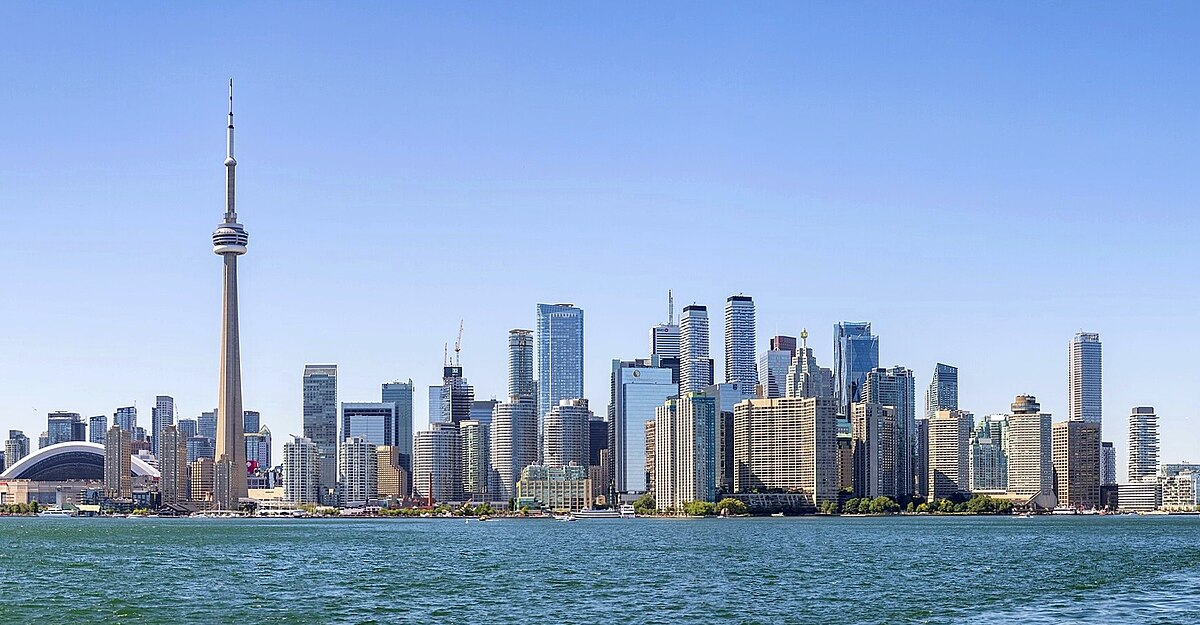
Buildings became a major focus, as they account for nearly half of the city’s carbon footprint. That’s why the city introduced the Toronto Green Standard — a set of requirements for all new residential and commercial developments. Architects and builders following these rules are now designing energy-efficient buildings with modern insulation, ventilation systems, and lower energy needs.
Greener Transit, Cleaner Air
Transportation is another key piece of the plan. Working with the Toronto Transit Commission, the city began transitioning its public transit fleet to electric buses. Dozens are already on the road, and by 2040, the entire fleet is expected to be electric. This will significantly cut emissions and improve air quality for Torontonians.
At the same time, new charging stations are being installed across the city to make electric transit more practical. These changes are powered by thousands of people — city officials, engineers, activists, and residents. A big part of this effort comes from Community Hubs, local centres where residents can learn about energy efficiency, attend workshops, and share experiences on reducing household energy use. Through these hubs, the TransformTO strategy is turned into concrete, everyday actions.
People as the Driving Force: Programs and Initiatives
Toronto’s climate strategy doesn’t rely only on city hall. Residents, grassroots groups, and community organizations play a crucial role. To support them, the city launched the Neighbourhood Climate Action Champions program. Local residents receive training, resources, and small grants to run initiatives in their neighbourhoods. They host community meetings, promote energy efficiency, organize waste sorting, and help neighbours transition to renewable energy. In 2022 alone, dozens of “champions” launched projects ranging from tree planting to eco-education campaigns in schools.
Another tool is Climate Action Grants, which provide funding for individuals and nonprofits. Thanks to these grants, Toronto has seen new solar panels on community buildings, bike repair hubs, and even small-scale energy cooperatives.
Community organizations also play a big part. The Toronto Climate Action Network (TCAN) unites more than 30 groups that coordinate campaigns and share resources. Meanwhile, the Toronto Renewable Energy Cooperative (TREC) pioneered one of Canada’s first urban wind turbines back in the early 2000s. That turbine still stands on the Lake Ontario shoreline today. Such grassroots efforts foster a culture of accountability, where seeing neighbours insulate their homes or install solar panels inspires others to join in.
Building Resilience: Infrastructure for a Changing Climate
Toronto’s climate strategy also means preparing for extreme weather. The city faces more intense storms, heat waves, and flooding risks. To protect residents, engineers and planners are reshaping infrastructure.
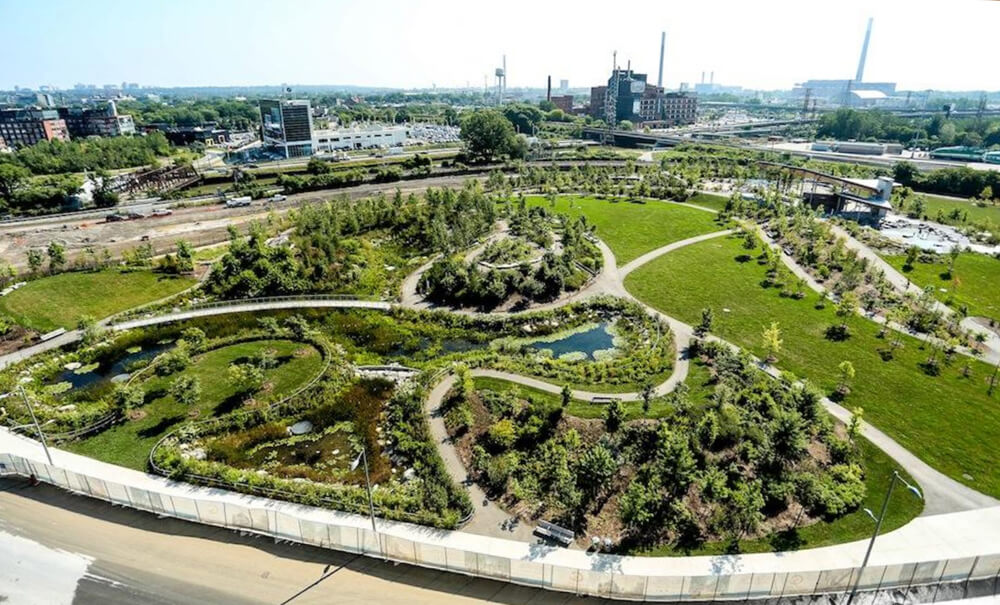
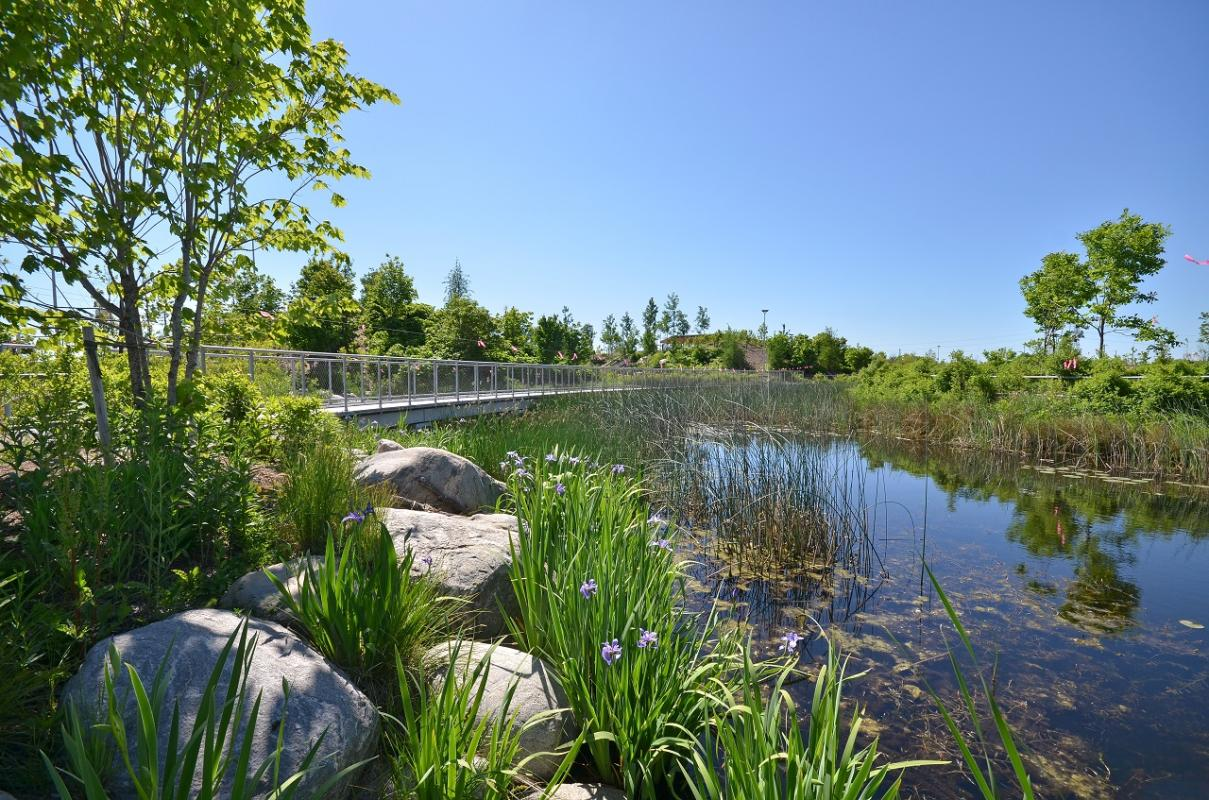
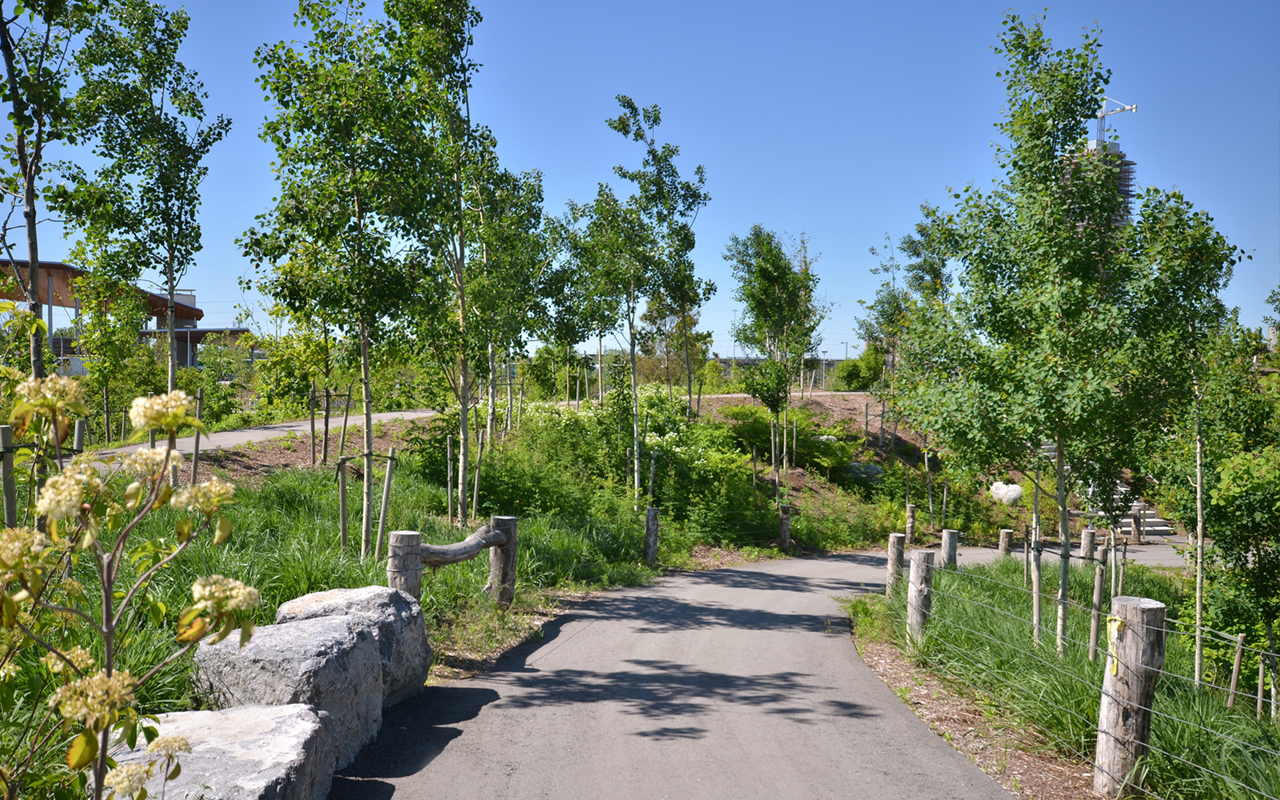
One of the best-known projects is Corktown Common Park. On the surface, it’s a vibrant green space in the Don Lands where people gather and relax. But beneath its hills lies a flood-protection berm that shields surrounding neighbourhoods from the Don River. This park blends recreation with cutting-edge safety design.
Heat is another growing challenge. On hot days, temperatures often soar above 30°C, with asphalt and concrete making conditions worse. To help, the city opens Cooling Centres — safe indoor spaces where vulnerable residents can escape the heat. At the same time, more trees and greenery are being planted throughout the city to naturally lower urban temperatures.
Engineers are also using innovative solutions. One standout is Deep Lake Water Cooling, which has been running for more than a decade. The system draws cold water from deep in Lake Ontario and circulates it through downtown buildings, replacing energy-hungry air conditioners. Hundreds of offices and condos now use this method, significantly cutting electricity demand.
Economy and Education
Toronto’s climate policy isn’t just about the environment — it’s about the economy too. The city has introduced a climate budget, a tool that measures how each major project affects emissions and helps direct investments into projects with the biggest impact, such as public transit expansion or building upgrades.
Green energy is also driving economic growth. City reports show that investments in solar panels, wind turbines, and energy-efficient technologies are creating new jobs and spurring local businesses. Renewable energy is becoming cheaper, while healthcare costs related to air pollution are declining. In short, protecting the environment is both good for people and profitable.
Education is another key pillar. At the University of Toronto, the Climate Positive Energy School was launched to research renewable technologies and train the next generation of experts. Student initiatives are also making waves. For example, student activists successfully pushed the university to divest from fossil fuels — a symbolic but meaningful step that reflects the values of an engaged younger generation.
Sources:
- https://www.toronto.ca/services-payments/water-environment/environmentally-friendly-city-initiatives/transformto
- https://taf.ca/project/transformto
- https://www.toronto.ca/legdocs/mmis/2025/ttc/bgrd/backgroundfile-257225.pdf
- https://www.toronto.ca/services-payments/water-environment/live-green-toronto/neighbourhood-climate-action-champions
- https://www.wired.com/2014/08/a-gorgeous-park-designed-with-a-double-purpose-flood-protection
- https://www.theguardian.com/us-news/2024/oct/20/university-toronto-financially-dissociate-fossil-fuels
- https://www.wired.com/story/people-are-so-proud-of-this-how-river-and-lake-water-is-cooling-buildings