

Bees are tiny workers that pollinate plants, keep gardens alive, and produce unique honey with flavours that change depending on the neighbourhood. In Toronto, beekeeping has become part of city life: hives sit on hotel rooftops, in parks, and on community farms, while residents have learned how to support these tireless pollinators. In this article on toronto-name, we’ll uncover the secrets of Toronto’s beekeepers: how laws and rules shape urban apiaries, how beginners get trained, what the city is doing for bees and butterflies, and examples of successful rooftop and park hives.
The Law Behind Urban Beekeeping
Toronto’s beekeeping is regulated by Ontario law, which requires every hive to be registered with the Ministry of Agriculture. There are also minimum distance rules: at least 30 metres from neighbouring properties if homes or public areas are nearby, and 10 metres from roads and highways. These rules prevent conflicts with neighbours and make bee life safer.
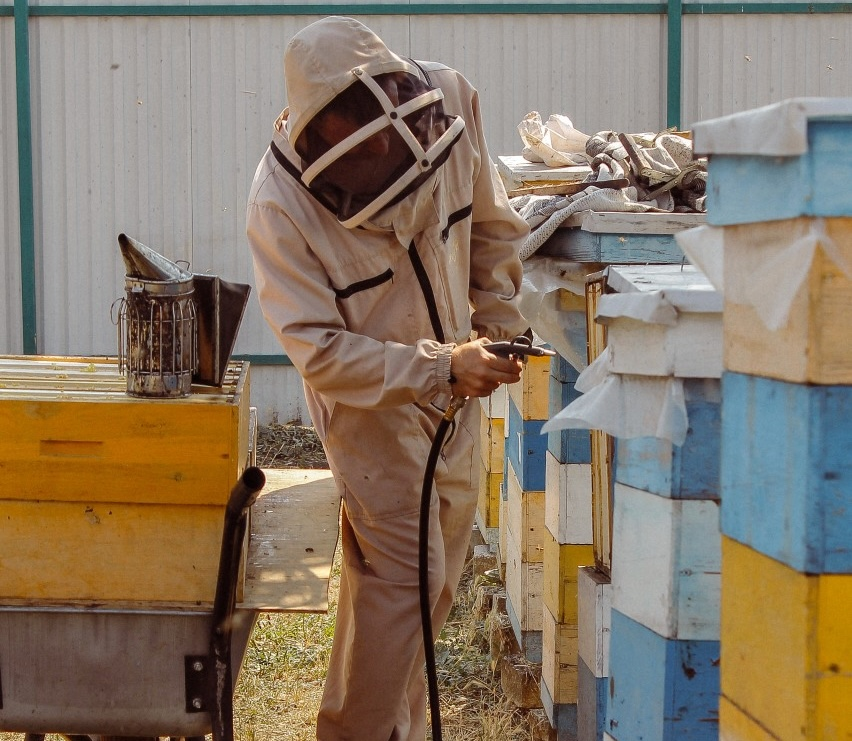
Beekeepers also follow practical guidelines. Entrances are often directed toward open areas rather than a neighbour’s yard. Hedges or screens help reduce direct contact between bees and people. Small properties host just a few hives—enough to produce honey and support the ecosystem without crowding.
According to the Ontario Beekeepers’ Association, this basic “etiquette” lets bees work without stress and helps neighbours avoid unwelcome surprises.
Who Supports New and Experienced Beekeepers?
Toronto’s rooftop hives thrive thanks to the strong community behind them. One of the most active groups is the Urban Toronto Beekeepers’ Association (UTBA). They offer mentorship programs, public events, workshops, and even educational YouTube videos. Beginners can learn how to set up hives properly and avoid common mistakes. For many, UTBA is their first step into urban beekeeping.
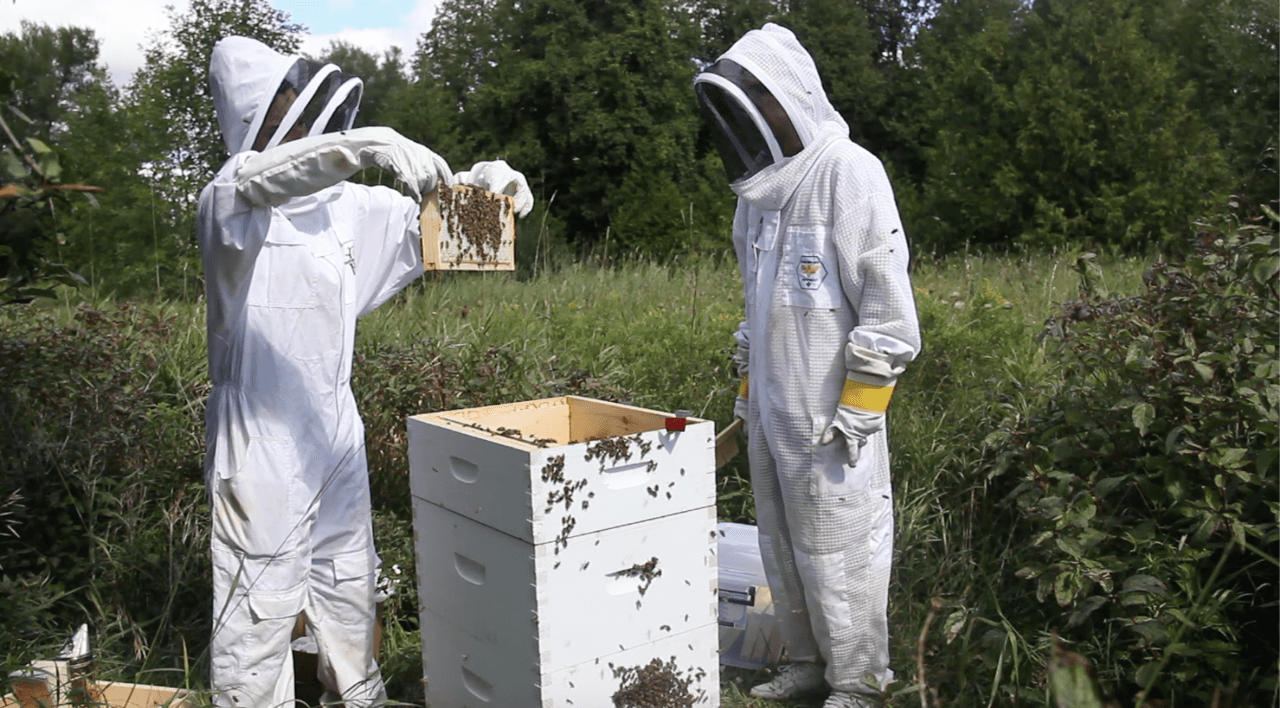
Another key group is the Toronto Beekeepers Collective (TBC), which manages hives at iconic spots like the Fairmont Royal York, Downsview Park, and Black Creek Community Farm. TBC not only maintains hives but also hosts educational programs for children and adults. These hands-on experiences show how honey is harvested, how bees are cared for, and how safe pollinator habitats are built.
Community farms also play a big role. Black Creek Community Farm runs programs where youth and local residents can work with hives, learn about biodiversity, and see how pollinators keep the city alive. These “living classrooms” highlight bees not just as honey-makers, but as a crucial part of Toronto’s ecosystem.
What Toronto Does for Bees and Butterflies
Toronto is home to more than 360 species of wild bees and over 100 species of butterflies, all essential to pollination. To protect them, the city introduced the Pollinator Protection Strategy, which includes more than 30 specific actions to preserve habitats, support bee and butterfly health, and promote public education.
Residents can also apply for PollinateTO grants, which offer up to $5,000 to create community “pollinator gardens.” These gardens provide food and nesting spaces across the city—from downtown to the suburbs. A city-wide map tracks these projects, and more funding rounds are planned for 2025.
At the same time, Toronto works to balance honeybee populations with wild pollinators. Too many hives can strain natural resources, so the focus is on creating high-quality habitats with diverse flowers, native plants, and safe nesting areas.
Toronto’s Rooftop and Urban Apiaries
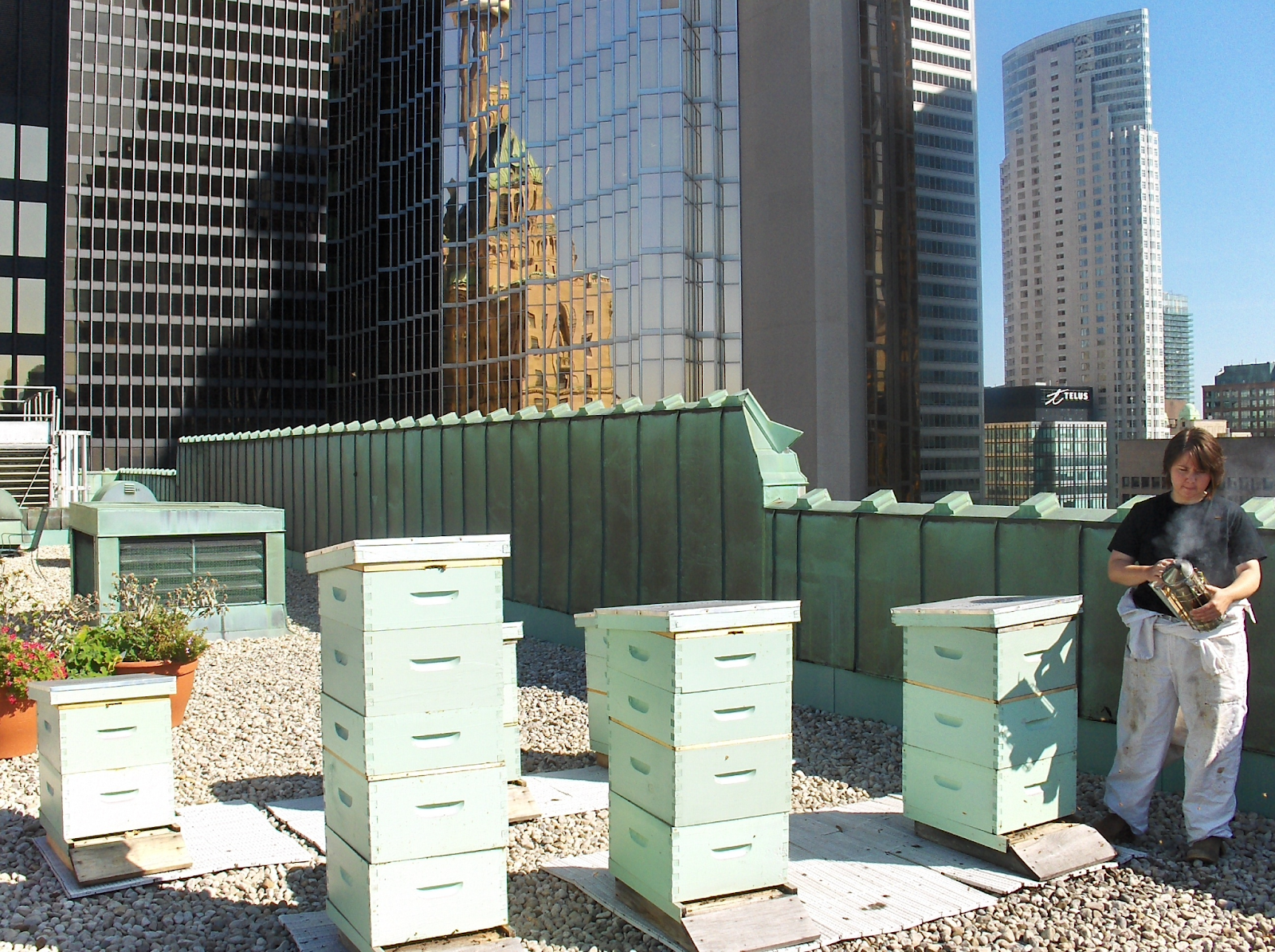
Bees now thrive on both historic rooftops and modern office buildings, benefitting the ecosystem and city residents alike. One of the most famous examples is the Fairmont Royal York. Since 2008, six rooftop hives there have housed more than 350,000 bees, producing about 205 kilograms of honey each year. This honey is served in the hotel’s restaurants and sold to guests. The hotel also runs a Bee Sustainable program, with part of the proceeds going to pollinator protection.
Another major player is Alvéole, a company specializing in rooftop beekeeping for commercial buildings. They manage hives at places like the TD Centre and the Distillery District, combining pollination with educational programs for tenants and visitors. Their services cover everything from installation to workshops and honey harvests.
To ensure sustainable urban beekeeping, the Ontario Beekeepers’ Association recommends:
- Planting native species to provide food and nesting space.
- Limiting hive numbers on small lots to prevent overcrowding.
- Positioning hive entrances to minimize neighbour concerns.
- Using hedges or screens as windbreaks and barriers.
Black Creek Community Farm deserves another mention as both a working farm and an education hub. Its programs, especially for youth, raise awareness about pollinators and organic farming, encouraging people to get involved in protecting nature.
Challenges Ahead
Despite successes, Toronto’s urban beekeepers face real challenges. Pesticides remain a major threat, even in city parks. Varroa destructor mites weaken entire colonies. Climate change disrupts blooming cycles, affecting both honeybees and wild pollinators. And competition between rooftop hives and wild species for limited resources is growing.
The future of urban beekeeping in Toronto will depend on balance—supporting managed hives, protecting wild habitats, and using science-based strategies to safeguard pollinators.
Sources:
- https://www.toronto.ca/wp-content/uploads/2020/10/8fb9-WildAboutBees_Web.pdf
- https://www.ontariobee.com/issues-and-advocacy/municipal-bylaw-development
- https://www.sus.gov.on.ca/lc/content/mgcs/omafra/profiles/default.html?inTemplate=003-0373&lang=E
- https://sustainontario.com/custom/uploads/2012/12/FINAL-REPORT-Urban-Beekeeping-Policy-in-Ontario-December-2012.pdf
- https://www.thefairmontroyalyork.com/blog/honey-harvest