

Imagine sitting in a café in downtown Toronto, and someone nearby starts telling the story of a woman who, at first glance, seems like an ordinary university professor. But behind that image is one of the most influential researchers in cybersecurity and digital technologies. This is Deepa Kundur—a scientist who grew up in Toronto and accomplished what few can. She has turned complex formulas and signals into practical solutions that protect our daily lives.
Deepa works on things most of us never even think about: securing power grids from cyberattacks, protecting media systems from hacks, and teaching machines to recognize threats faster than humans. And she does it all right here in Toronto. This is where she started her journey and quickly gained international recognition, including the prestigious IEEE Fellow status, one of the highest honors in engineering. In this article, we’ll explore Kundur’s childhood, education, career path, and her impact on society. More on toronto-name.
Education and Early Years
From an early age, Deepa Kundur was curious and couldn’t sit still. Born and raised in Toronto, she was fascinated by science and technology. The city became a hub for her experiments, offering libraries, science clubs, and even access to her first computer while still in school.
Her education took place in an environment that highly valued learning. She not only excelled academically but also had a strong desire to understand how the world works. Mathematics, physics, and computer science came naturally to her, fueling a passion for complex systems and algorithms that would later form the foundation of her professional career.
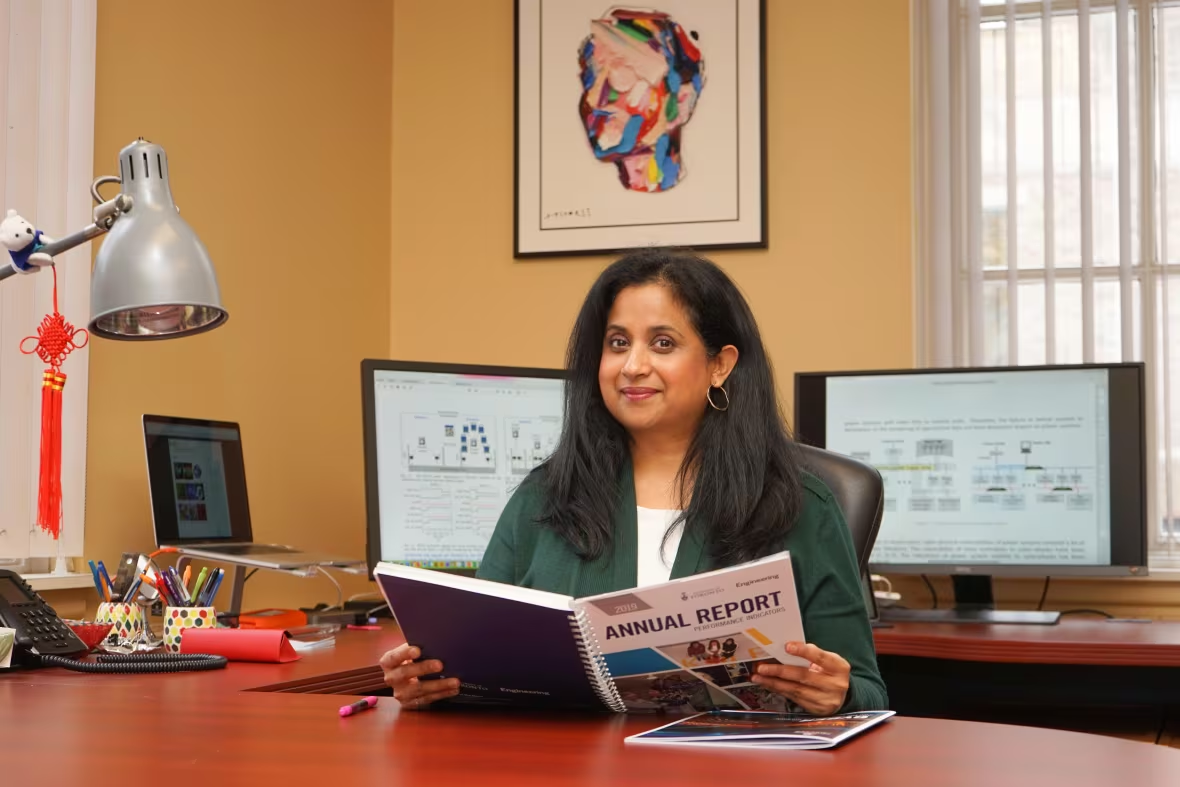
After high school, Kundur attended the prestigious University of Toronto, where she continued exploring electrical engineering and computer science. She immersed herself fully in research: laboratories, projects, and mentorship from professors who encouraged her to think outside the box. As a student, she contributed to various studies, published her first papers, and demonstrated readiness for challenging scientific problems.
This early path, filled with curiosity and boldness, laid the groundwork for everything Deepa Kundur has achieved. Her education and early research in Toronto helped her become a world-class engineer whose solutions impact technology security worldwide.
Scientific Contributions, Career, and Research Focus
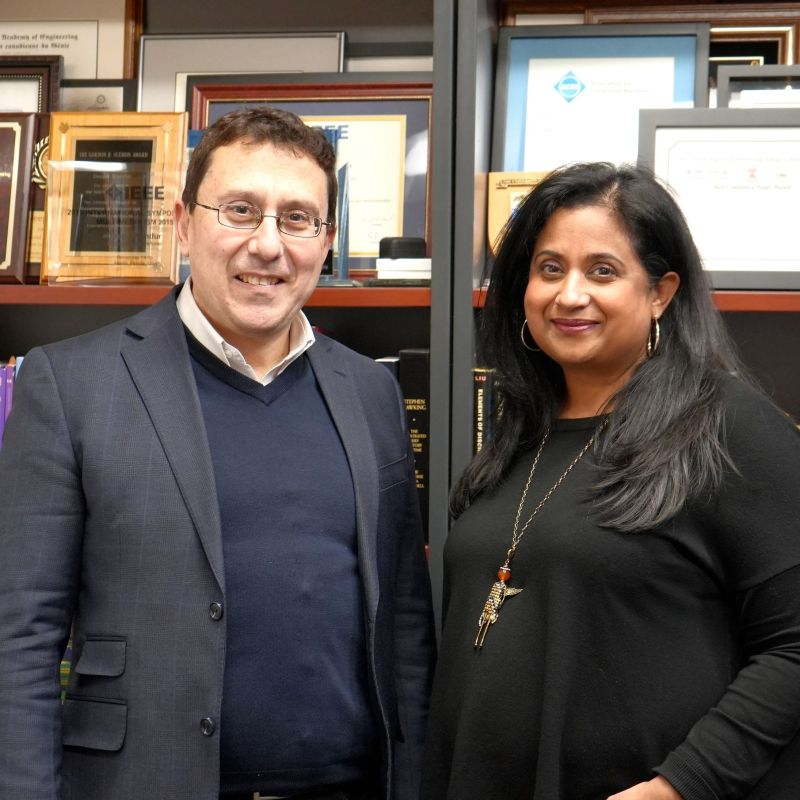
Deepa Kundur’s career reads like a real-life science thriller. After university, she didn’t want to stay behind books alone, so she began working at the University of Toronto and Texas A&M University. In 2012, she returned to her hometown as a professor and head of the Department of Electrical and Computer Engineering. Kundur dove into research that genuinely improves lives and makes the digital world safer. Her specialization is cryptography and information security, ensuring our data, communications, and even power grids remain protected from hackers.
To understand the scale of her work, one can look at specific studies. In research on cyber-physical security trends for smart grids, she analyzed components, threats, and solutions in smart network security. In other studies, like mitigating low-frequency load shedding cyberattacks, she explored methods to reduce cyber threats.
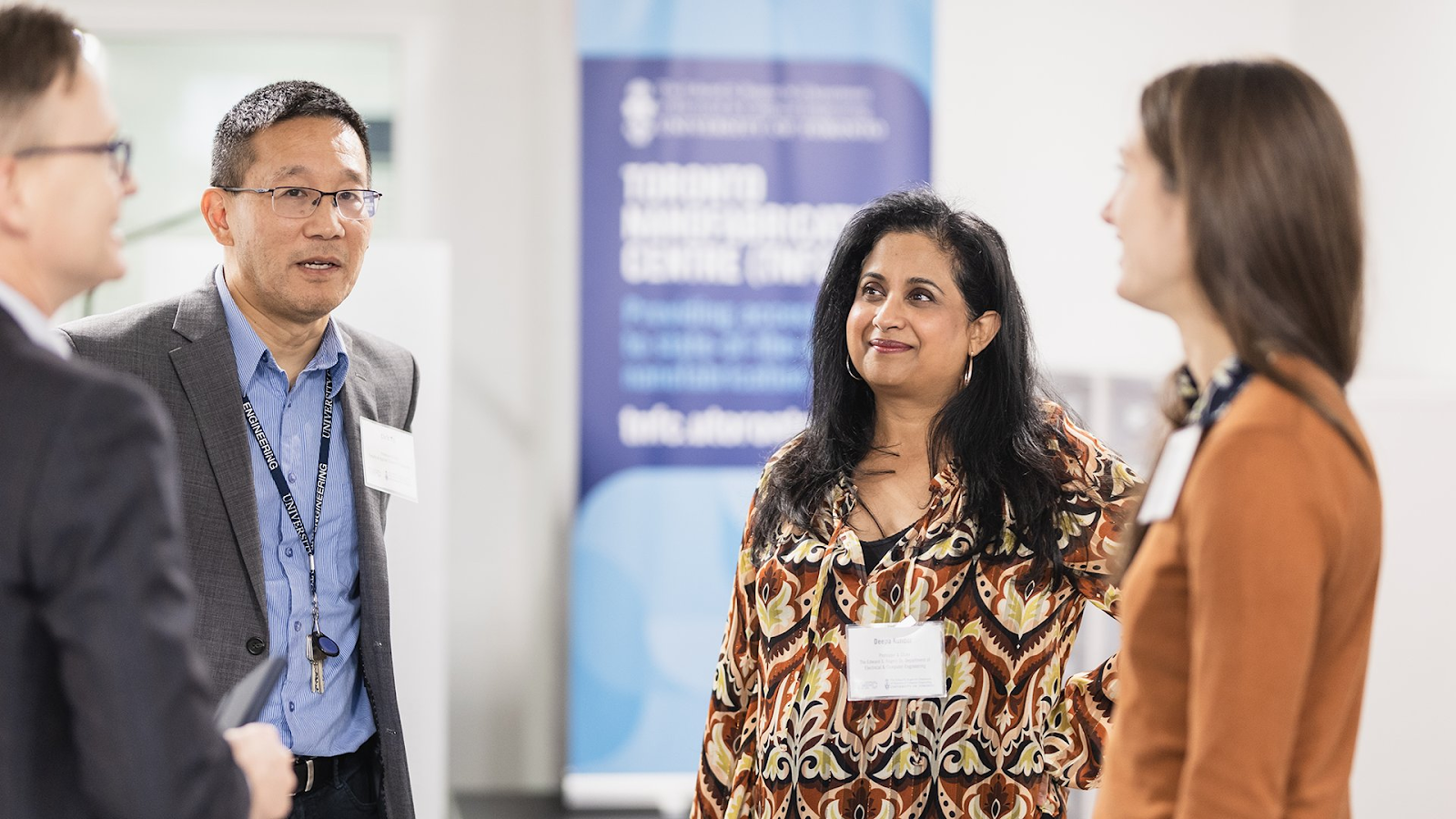
Another exciting area is her use of artificial intelligence to detect cyber threats. Her papers demonstrate how machines can learn to identify risks faster than humans. Kundur collaborates extensively with the technology and engineering industry. Her algorithms for secure data storage and transmission are now used by financial institutions, while methods for protecting critical infrastructure help safeguard power networks.
Equally important is her dedication to teaching and popularizing science. Deepa regularly delivers lectures, conducts workshops, and publishes articles on complex technologies, making cybersecurity understandable even for those far from the field. For example, in her paper “A Distributed Control Paradigm for Smart Grid to Address Attacks on Data Integrity and Availability”, she not only studied threats and outlined new protection methods—using machine learning algorithms and adaptive strategies to detect and neutralize data manipulation in real time—but also showed students how these solutions are applied in practice.
Recognition and Awards
Deepa Kundur has long been a beacon in the cybersecurity world. Her work is cited globally, and her ideas are applied in banks, government agencies, and major companies. She has received numerous prestigious awards, most notably IEEE Fellow, granted to those who fundamentally transform engineering and technology. She has also received awards from ACM (Association for Computing Machinery) for research in cryptography and information security. In 2024, Deepa was awarded the Canada Research Chair Tier 1 in cybersecurity for intelligent critical infrastructure. These accolades confirm that Kundur is a truly talented and brilliant engineer.
She is regularly invited to top conferences and scientific associations. RSA Conference, Black Hat, IEEE Symposium on Security and Privacy are just a few examples where her expertise is highly valued.
Despite all the recognition, Deepa often emphasizes that what matters most to her isn’t medals or titles, but that her work actually protects people, organizations, and infrastructure. This approach makes her work meaningful and inspires others to be brave and responsible in the digital world.
Family and Contemporary Life
Deepa was born to Prebha Shankar and Geeta Kundur. Her father, also an engineer in power systems, took great pride in her achievements. Deepa is married to Takis Zourntos since June 18, 1995. Her parents were married for 55 years and had two grandchildren, Linus and Ptolemy (Tolly), whom they cherished and took on family vacations. Public details about Deepa’s own children are not available.
She actively maintains professional social media accounts, including Instagram, sharing photos from research events and University of Toronto activities. Personal details, however, remain private.
Since 2022, Deepa has been leading the Grid Modernization Centre, a major project funded with $10 million in federal support to modernize power networks. Her work inspires new generations of engineers and researchers, showing how knowledge and research can truly make the world better.