

Park · Toronto · ⭐ 9.7/10 · 3283 reviews · updated: 2026-08-03 23:54:27
Address: 955 Lake Shore Blvd W, Toronto, ON M6K 3B9, Canada
Trillium Park — a re-imagined shoreline at Ontario Place
Where cars once sat on asphalt at the western edge of Ontario Place, a 7.5-acre (3-hectare) public park now compresses the geology of an entire province into a few hundred metres of Lake Ontario shore. Trillium Park opened on 19 June 2017 as the first finished piece of the Ontario Place revitalization, cost about CA$30 million to build, and is free to enter every day of the year.
Highlights
- The Bluff — a climbable outcrop of roughly 1,700 tonnes of Muskoka granite, assembled from 140 slabs quarried in Northern Ontario, the largest single stone weighing about 52 tonnes.
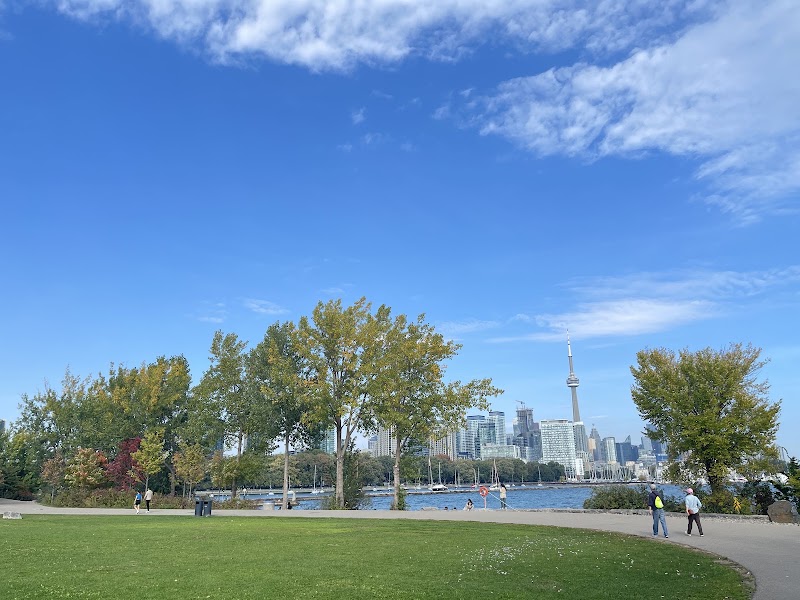
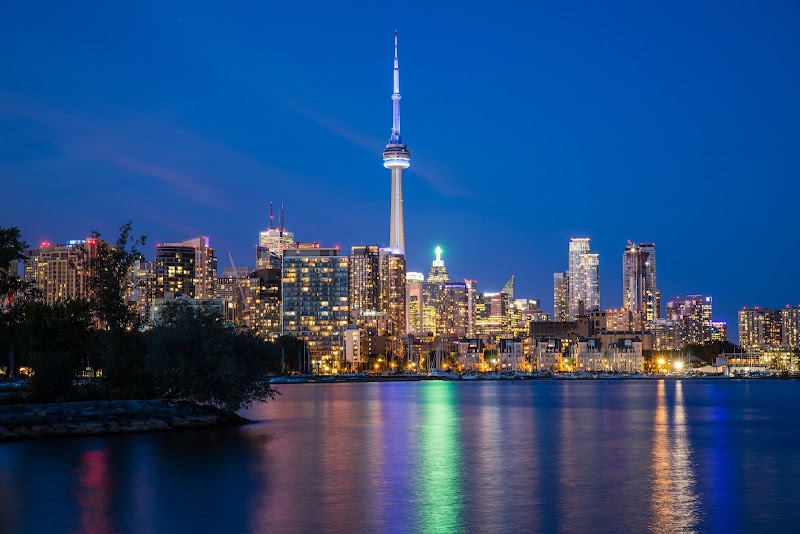
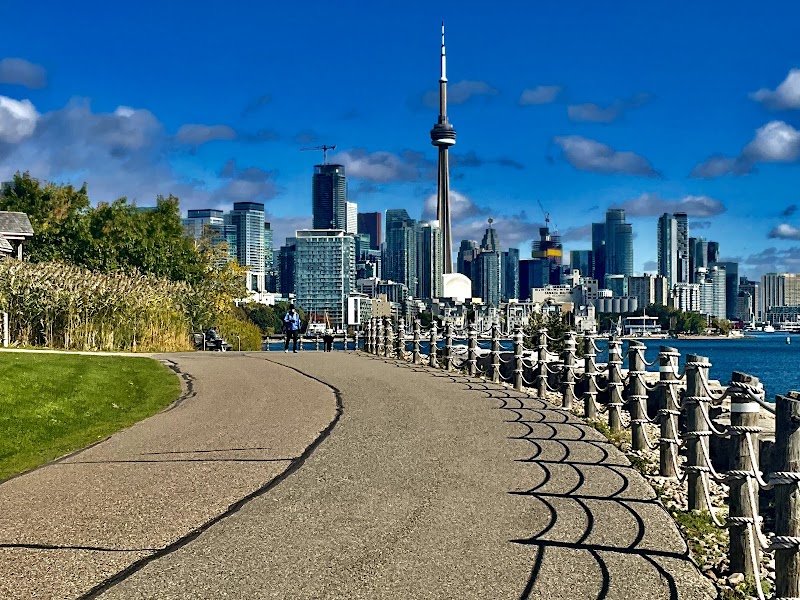
- The Summit — the raised southern tip of the park and its vantage point for the downtown skyline, the Toronto Islands and open water.
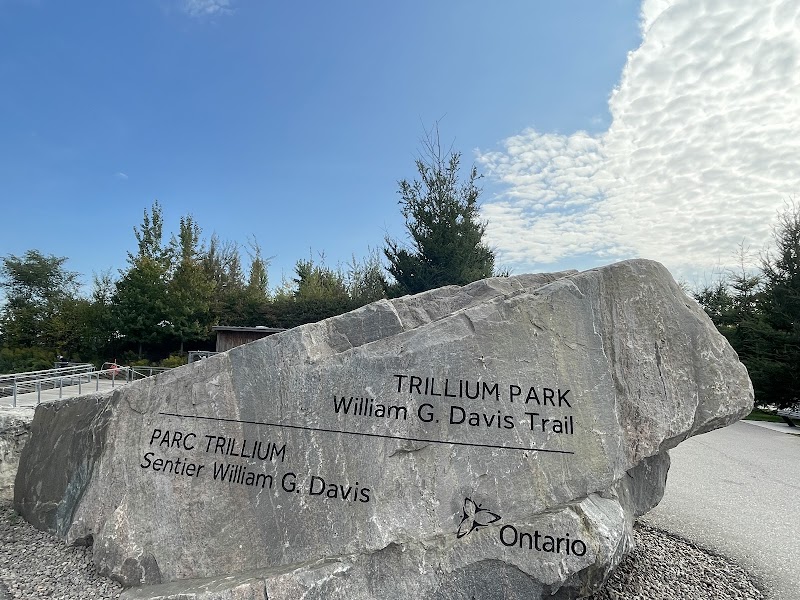
- William G. Davis Trail — 1.3 km of waterfront path named for the premier who opened Ontario Place in 1971; it plugs straight into the Martin Goodman Trail and the Pan Am Path.
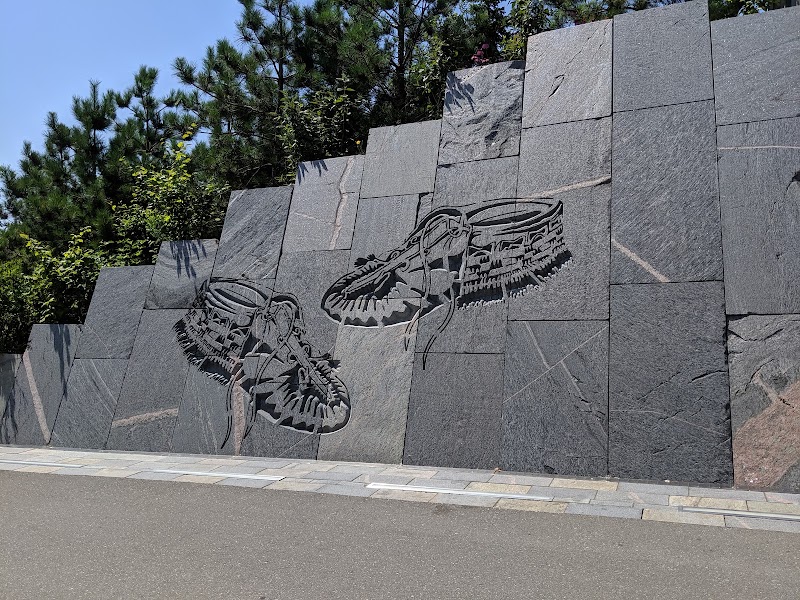
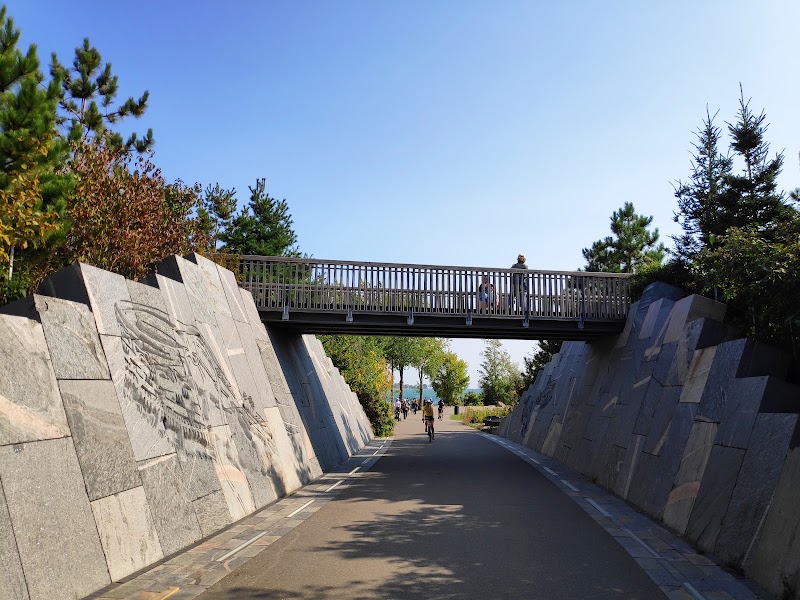
- Moccasin Identifier — moccasin forms carved into the gateway stones of the ravine, developed with the Mississaugas of the Credit First Nation over three years of consultation.
- Three marker trees — saplings deliberately bent at the trunk, echoing the Indigenous practice of shaping a tree to mark a route.
- Hough’s Glade — a circular clearing of medicinal plants and wildflower meadow named for Michael Hough (1929–2013), who landscaped the original Ontario Place and founded the landscape architecture program at the University of Toronto.
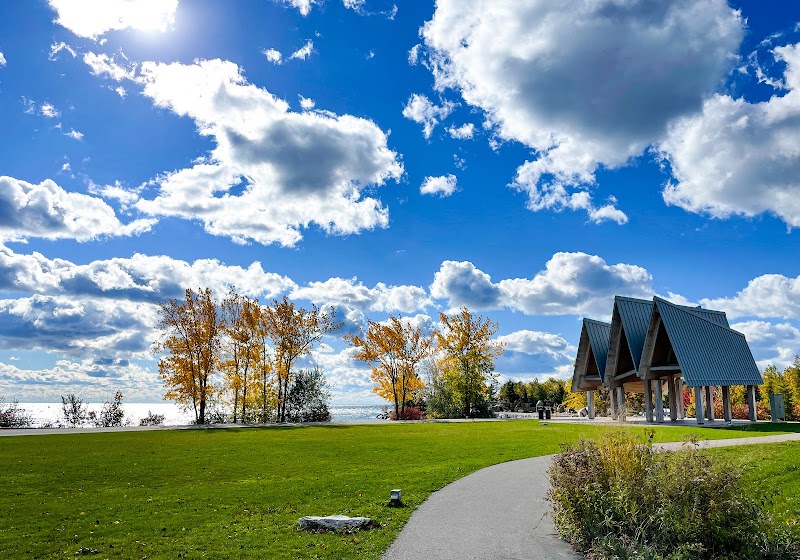
- Sunrise Garden Pavilion — an open-air shelter by West 8 whose silhouette borrows from Ontario’s evergreen forests.
What’s inside
LANDinc led the design in consortium with West 8, Blackwell handled the structure and Urbacon built it, with Infrastructure Ontario running the project. Their palette was the province itself: the shoreline of glacial Lake Iroquois, the Niagara Escarpment, moraines, drumlin fields, eskers and ravines, all restated at park scale on a site that had been a parking lot.
- A ravine-like cut that funnels visitors down from the entrance toward the water.
- Nearly 1,200 Ontario trees — red oak, red pine and sugar maple among them.
- Roughly 28,000 shrubs and perennials, including highbush cranberry, wild ginger and St. John’s wort.
- The Romantic Garden, the park’s largest lawn and the one area where dogs are welcome.
- A fire pit at the water’s edge, available by reservation rather than first-come.
- Washrooms, benches and boulder seating stepped down to the lake at The Bluff.
- Plant-identifier plaques keyed to an online map of the planting.
What to do and who it’s for
- Walkers and runners — the 1.3 km trail joins a continuous waterfront route that feeds onward into the Trans Canada Trail network.
- Photographers — sunrise over the lake from The Summit, and the skyline framed between granite blocks at The Bluff.
- Families — a short, contained loop with lawn, boulders to scramble on and washrooms on site.
- Visitors interested in Indigenous heritage — the Moccasin Identifier carvings and the three marker trees repay a slow look.
- Groups — the pavilion, the open lawn and the bookable fire pit make for an easy evening gathering by the water.
- Cyclists — a flat, paved link between the western beaches and the central harbourfront.
Getting there and practicalities
The park occupies the eastern end of the Ontario Place lands on the Lake Ontario shore, a short walk from Exhibition GO station and the Exhibition streetcar loop, and it sits directly on the waterfront cycling route. It is open daily from 6 a.m. to 11 p.m. and admission is free. Ontario Place is a live construction site: the marina, the West Island and the path linking them to Trillium Park are closed, and the bridges over the shoreline highway open and close in phases, so check the current site-access map before you set out. An unhurried visit takes about an hour; allow a second if you walk the trail in both directions.
When to visit
Sunrise is the park’s own argument — it faces east down the lake, and the granite warms as the light comes up. May and June bring the wildflower meadow in Hough’s Glade into flower; October turns the red oak and sugar maple. Winter is bracing and almost empty, with wind straight off the water and long views on clear days. Seasonal yoga sessions run on weekend mornings, and outdoor concerts fill the Ontario Place grounds through July and August, when the shoreline is at its busiest.
Worth knowing
Ontario Place opened in 1971 under Premier William G. Davis and closed in 2012 after annual attendance slid from about 2.5 million to roughly 300,000. The parking lot that became Trillium Park was raised 1.5 metres on 52,000 cubic metres of fill to lift it clear of flood levels, and about 600 metres of shoreline were rebuilt against erosion. The whole process took three and a half years, including three years of workshops with community members and the Mississaugas of the Credit First Nation, followed by more than two years of construction. The park is Phase One of a revitalization whose later stages are still being built around it.
Visitor tips
- Come at first light: the east-facing shore, the empty trail and the sunrise over the water are the reason the park was oriented this way.
- Reserve the fire pit ahead of time if you want it — it is booked, not claimed on arrival.
- Wear proper shoes to climb The Bluff; the granite is uneven and slick after rain.
- Bring water and something windproof — the shore is exposed and there is little shelter beyond the pavilion.
- Keep dogs to the Romantic Garden, the only part of the park where they are permitted.
- Read the plant-identifier plaques as you walk; they name the native species the design was built around.
Questions and answers
When did Trillium Park open? On 19 June 2017, as the first completed phase of the Ontario Place revitalization.
How big is it, and what does entry cost? About 7.5 acres, or 3 hectares. Entry is free, and the park is open daily from 6 a.m. to 11 p.m.
Is the park still open during the Ontario Place construction? Yes. Trillium Park remains open, but the marina, the West Island and several entrances and bridges are closed, so check current access before visiting.
What is the Moccasin Identifier? Moccasin shapes carved into the ravine gateway stones, developed with the Mississaugas of the Credit First Nation as a reminder of whose traditional territory the site occupies.
Where does the William G. Davis Trail lead? It runs 1.3 km along the water and connects to the Martin Goodman Trail and the Pan Am Path, part of a continuous waterfront network.
Can I bring a dog? Yes, in the Romantic Garden area of the park.
Who designed it? LANDinc led the design in consortium with West 8, with Blackwell as structural engineers and Urbacon as builder.
Photos
Show 1 more photos
Visitor reviews
Reviews last updated: 2026-08-03 23:54:27
Data is refreshed monthly. Sources: toronto.name and editorial picks based on reviews.
5 stars!
Trillium Park is a true gem of Toronto, a must-visit for anyone who wants to enjoy the city's natural beauty. The park is beautifully designed, with winding paths, scenic overlooks and plenty of greenery, makin…
Trillium Park is a real hidden gem, set right in the heart of the city, offering a serene getaway with breathtaking waterfront views. Whether you want to enjoy a quiet stroll or simply take in the natural beauty, this pa…
I've often visited this park since 2017; it was built on the site of a former parking lot. It offers a wonderful view of the skyline.
There's also a rock garden in the shape of a moccasin — in honour of the Indigenous h…
I love this park. Besides the lake shoreline, the grass, the tables/picnic spots and the fire pits, there are lots of events here in summer and autumn. My favourite is the live music program in summer. You can relax on t…