

Toronto is home to many remarkable natural sites, each with its own exciting stories to tell. Among these is the Milton Quarry, a formerly operated limestone quarry situated on the outskirts of the bustling Greater Toronto Area. Established in 1958, the quarry was primarily utilized to supply construction materials for the development of the provincial Highway 401. Its advantageous proximity to Toronto rendered it an ideal location for extracting and distributing crushed stone to Canada’s largest market. Nestled within the Milton Outlier on the Niagara Escarpment, the quarry yielded an impressive one million tons of crushed stone per year for four decades, serving the construction industry. However, by 2001, the quarry ceased its operations. Find out more at toronto.name.
Natural resource-rich site
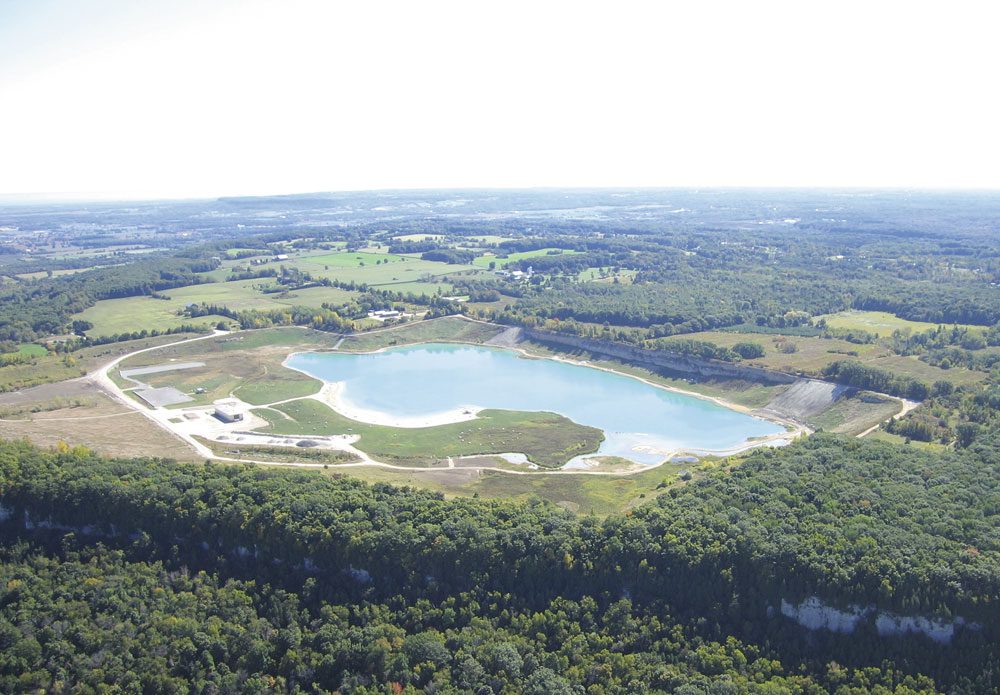
The quarry’s strategic site has rendered it an ideal public venue. Nestled within the resource-rich and picturesque Niagara Escarpment, it is conveniently situated 31 miles away from the bustling city centers of Toronto and Hamilton. The quarry site itself is situated within the Niagara Escarpment area, which is part of the province’s Greenbelt. This vast expanse of over 700 thousand hectares of green spaces has been designated to safeguard natural resources from the adverse effects of urbanization. The land adjoining this site is under the ownership of Halton Region Conservation Authority (HRCA), a local conservation agency that operates on a watershed basis. The primary objective of this agency is to safeguard watersheds by owning and managing lands resorted for public recreation.
The Kelso Glen Eden Conservation Area, situated next to the formerly operated Milton Quarry, is a prominent public park in the vicinity. It provides various amenities, including an extensive ski area, interconnected trails that traverse the surrounding landscape, and a reservoir called Lake Kelso. While the primary purpose of this reservoir is flood control and water management, it also serves as an attractive recreational spot for activities like swimming and boating. As of 2006, the Nature Conservation Authority took over the quarry and transformed it into a public conservation and recreational area. This development led to its integration with some other formerly operated quarries in the Halton region, resulting in the creation of natural heritage sites that now function as public parks.
Public-private partnership
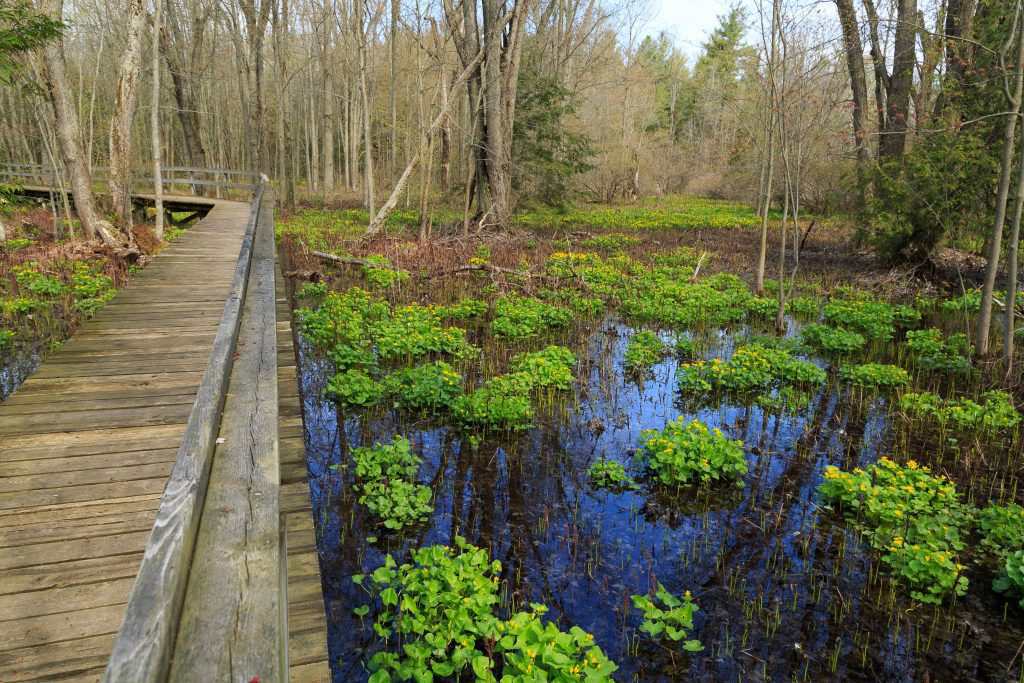
The quarry’s operations were discontinued in the mid-1990s. Recognizing the potential value of this site as incorporated into the Kelso Glen Eden Conservation Area, the HRCA took notice. After reaching an agreement with the quarry’s owner, Barrick Gold Corporation, the authorities agreed to transfer ownership of the area once it had been fully quarried and restored. Consequently, the reclaimed quarry, along with a contiguous 700-meter section of natural forest and cliffs, which had been safeguarded from quarrying activities within the licensed area of 71 hectares, has been transferred.
In the mid-1990s, a team of ecologists from the esteemed University of Guelph made a remarkable discovery of an old cedar forest, which prompted the Nature Conservancy of Canada to assert its commitment to safeguarding this extraordinary ecosystem.
Ecosystem protection and utilization
Since 1970, the quarry has undergone a gradual reclamation process involving the sloping of the eastern cliffs and the introduction of vegetation to the area. The primary phase of this development occurred over the subsequent ten years, coinciding with the establishment of the land’s boundaries. The officially approved reclamation plan entailed the creation of a 16.4-foot deep lake within a section of the quarry’s base, with the potential for future recreational use. The innovative approach employed in shaping cliffs and slopes to form diverse landforms, as well as the design of the lake at the quarry’s base to accommodate public recreational activities is noteworthy.
In compliance with legal requirements, the quarry walls were initially backfilled with 2:1 and 3:1 slopes, utilizing locally sourced soil and aggregate materials. These slopes served as a connection to the adjacent natural areas. However, one of the quarry walls was intentionally left as a cliff and not backfilled. In the late 1990s, restoration blasting was carried out to create a ledge suitable for vegetation planting. Unfortunately, the blasting attempt was unsuccessful, resulting in an unstable surface of loose rocks that required cleaning. Nevertheless, it led to the formation of cliffs that seamlessly blended into the surrounding natural landscape. The final excavation of the quarry bottom was undertaken to create a lake, which included designated areas for future public beaches, as well as shallow sections and shoals for fish habitat. So, the project has been successfully completed, resulting in the formation of a lake in the former quarry site.
The formerly operated quarry is situated within the picturesque natural escarpment area, boasting exceptional beauty. The HRCA has meticulously designed trails along the western perimeter of the site, enhancing its accessibility and recreational value. By 2006, HRCA successfully completed soil and groundwater remediation efforts, further ensuring the environmental integrity of the quarry. Besides, a substantial quantity of vegetation has been planted, contributing to the overall aesthetic appeal of the park and the formerly operated quarry. As a result, this remarkable location continues to attract a substantial number of visitors annually.