

The fishing industry is one of Toronto’s oldest trades, laying the foundation for trade with Great Britain when Europeans first arrived on Canada’s shores. Even today, modern fishermen are drawn to the Toronto region, where establishing a successful business is relatively easy. Learn more on toronto.name.
How It All Began
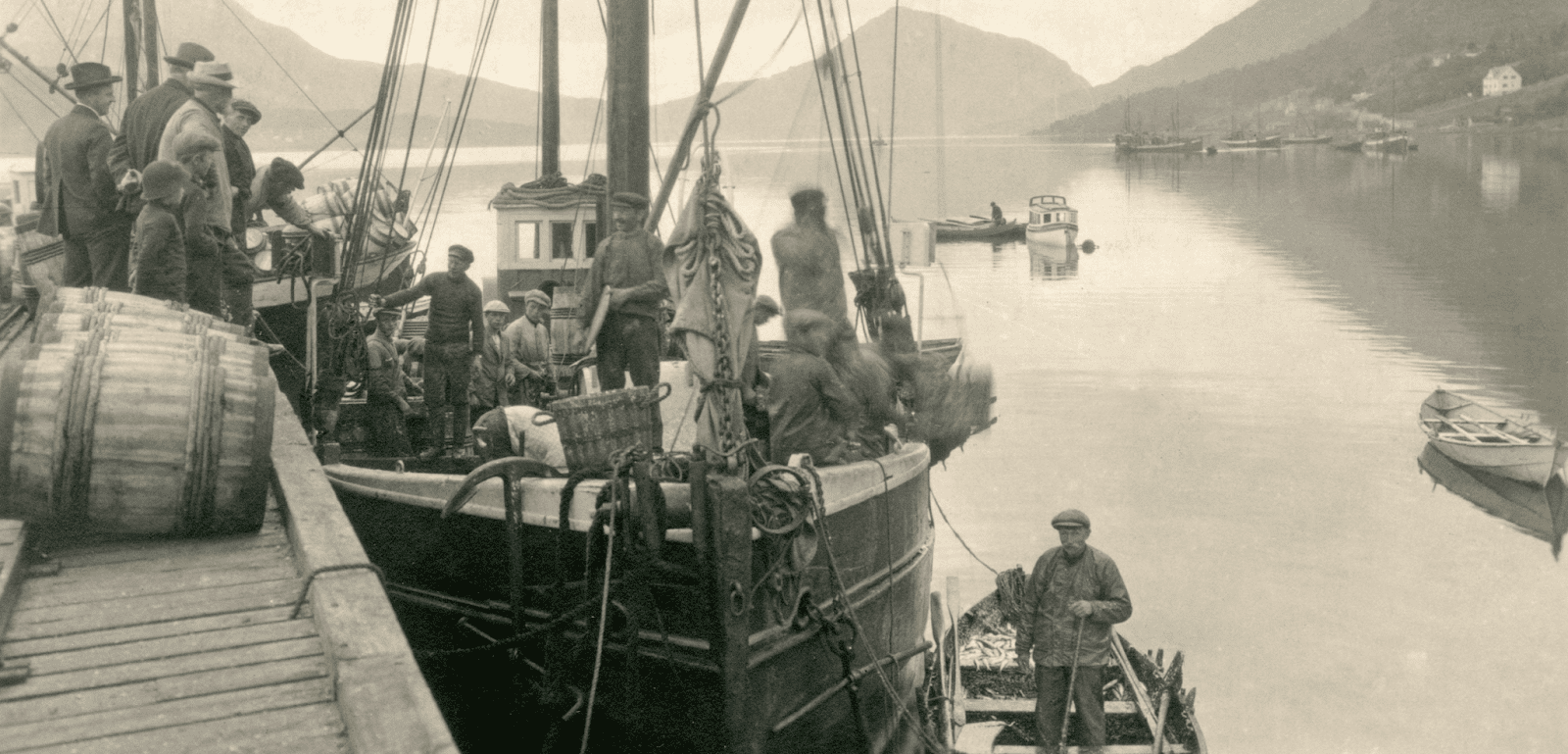
Europeans, including the English, French, Spanish, Portuguese, and Basques, began fishing in the Grand Banks of Newfoundland in the 16th century. The most prized catch was the abundant cod, easily harvested and preserved by drying or salting, making it transportable over long distances and storable for months. Fishermen traveled from Europe in the spring and stayed until early autumn, catching fish directly from boats using hooks and lines. Some, like the Basques, also hunted whales, whose numbers quickly dwindled.
By the late 16th century, the English and French were competing fiercely in this lucrative trade. Fishing contributed to the growth of their empires by fostering economic interdependence among industries like shipbuilding, shipping, and trade. While their economic objectives were similar, the English and French employed different fishing methods and industry structures.
“Boom and Bust” Cycles in the City’s Fishing Industry: Exports
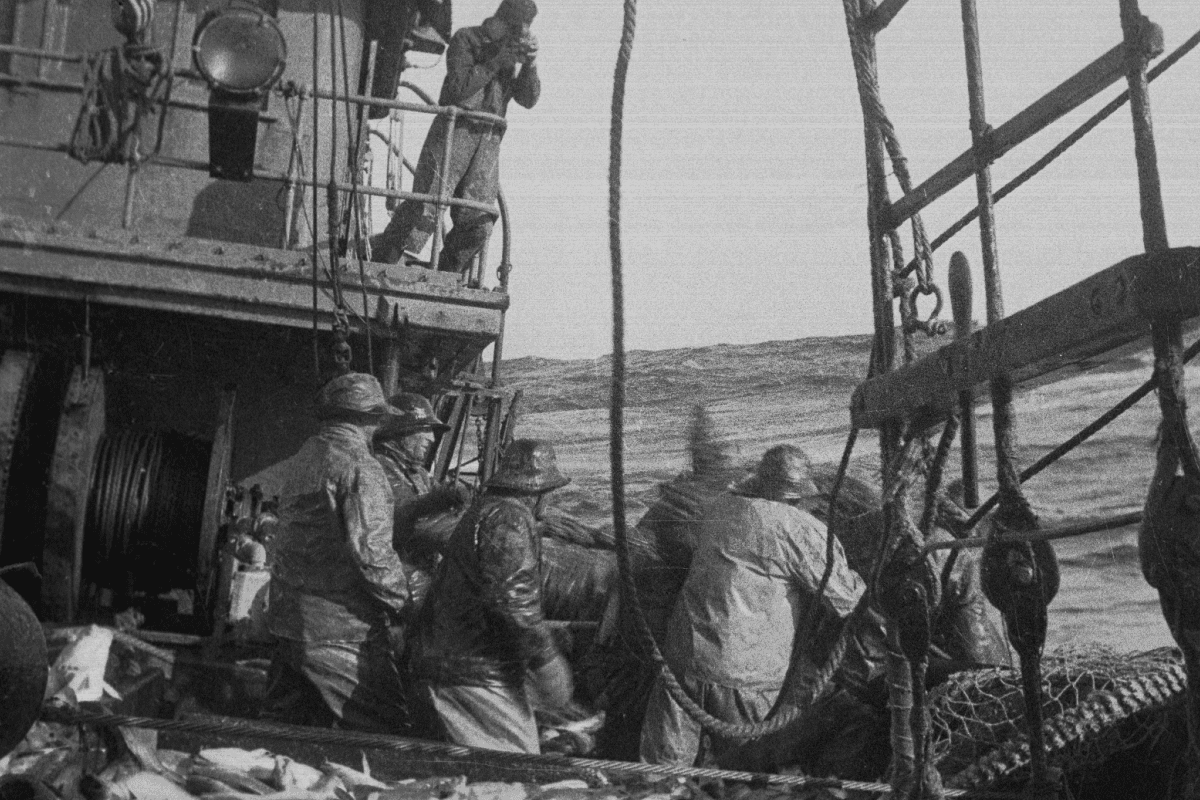
The fishing industry is marked by cycles of “boom and bust.” Fishermen enjoy periods of abundant harvests and financial prosperity but face intermittent challenges like job shortages. Despite its ups and downs, Toronto’s fishing culture remains integral, much like in British Columbia and Atlantic Canada.
Commercial fishing in Toronto has long been part of North America’s history, culture, and economy, predating European colonization in what is now Ontario. Fishing was one of the first industries established in new settlements along the Great Lakes, contributing to Toronto’s and Canada’s early development.
Today, Toronto boasts a stellar global reputation for supplying high-quality freshwater fish. In fact, 90% of Toronto’s commercial catch is exported to the United States and Europe. The industry also provides non-fishing residents access to premium-quality fish through restaurants, grocery stores, and dockside markets. Licensed commercial fishing operations in Toronto are based in the Great Lakes, making the city home to North America’s largest freshwater fishing industry. This sector significantly supports the economic and social well-being of communities reliant on fishing.
Impact of Revolution and War on the Fishing Industry
The American Revolution and the Napoleonic Wars intensified reliance on British North American fish and timber. The interdependent industries of fishing, lumber, and trade energized the Atlantic economy, creating what is now regarded as a golden age. However, most fishermen likely lived in poverty, operating small coastal boats rather than large schooners. Many, especially in the south, alternated between fishing and shipping.
Southwestern Nova Scotia and the Bay of Fundy in New Brunswick were leaders in British North American fishing, supported by a robust lumber trade, diverse fish stocks, an extended ice-free season, proximity to American and West Indian markets, and alternative employment opportunities in the United States.
Conflicts like the American Revolution, the War of 1812, and subsequent disputes between New England and British North American fishermen led to tensions over fishing rights. The Convention of 1818 partially resolved these issues, restricting New England fishermen to a three-mile coastal radius in British North American waters for shelter, repairs, and supplies.
The Fishing Boom in Toronto: 1945–1968
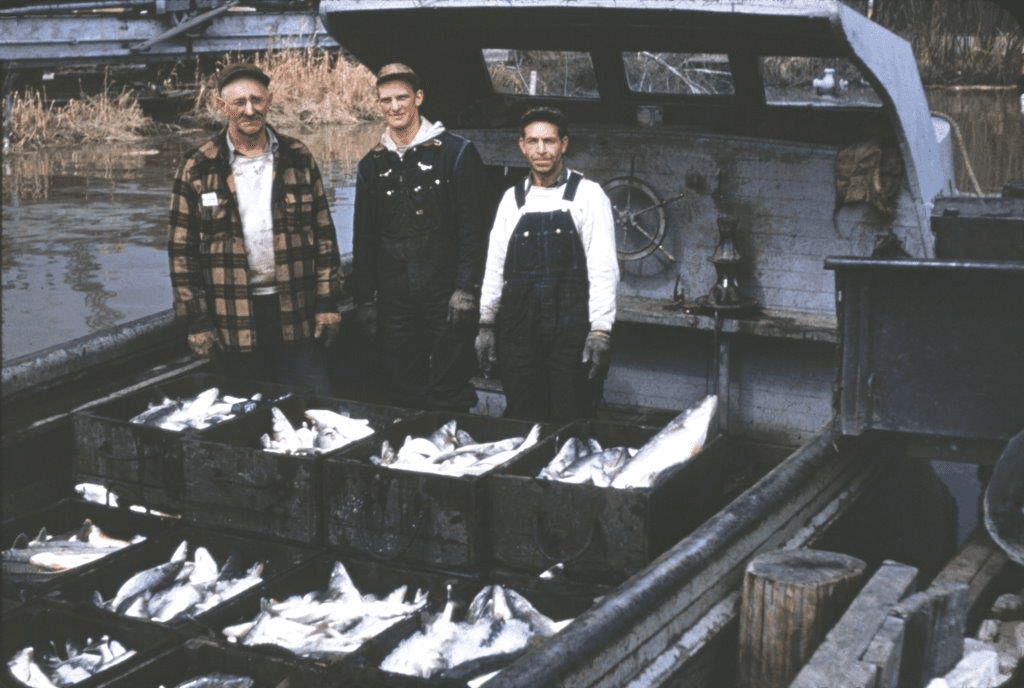
During and after World War II, Toronto’s fishing fleets embraced technological advancements, including radio, radar, sonar, nylon nets, and hydraulic equipment. Larger, more powerful vessels increased catch volumes and extended fishing distances. Governments encouraged this growth by subsidizing new boat construction and introducing programs like the Fisheries Price Support Board (1947), unemployment insurance for self-employed fishermen, and credit and insurance schemes for boats.
Efforts to diversify the industry included commercial fishing for redfish, flounder, crabs, shrimp, and scallops. Provincial credit boards in Atlantic Canada offered low-interest loans to help fishermen modernize fleets and expand processing facilities. For example, in Newfoundland during the 1950s and 1960s, Premier Joey Smallwood sponsored resettlement programs to move small communities into “growth centers” like Trepassey.
Fishing Becomes Big Business
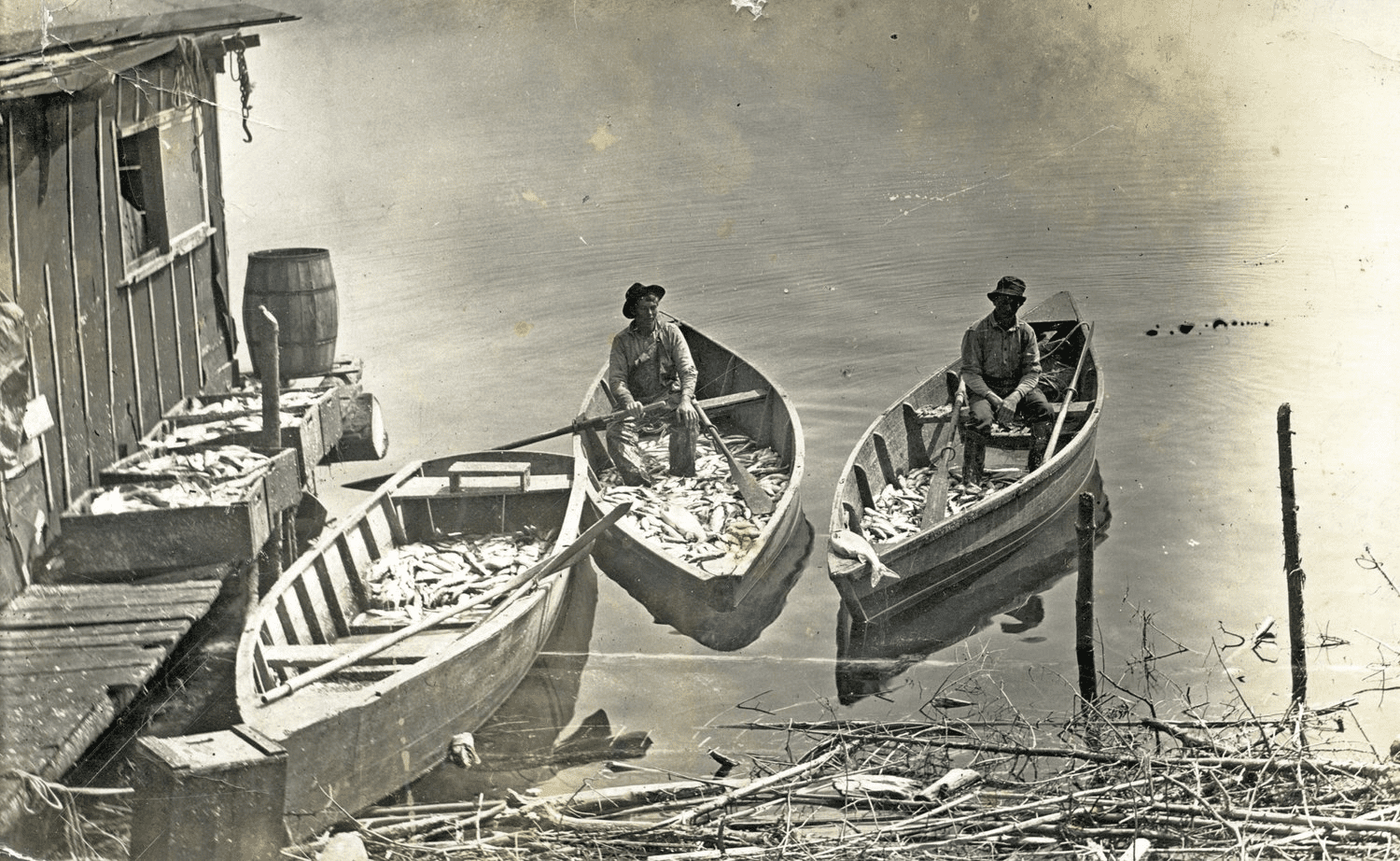
As fishing on the Great Lakes grew into a major industry, a commercial apparatus emerged, experiencing both significant successes and failures. A fleet of gillnet boats, including steam-powered vessels, operated farther from home ports, using longer nets at greater depths. Mechanical net haulers replaced manual ones, leading to increased harvests in Toronto.
However, overfishing led to devastating consequences. For instance, blue pike—a once-abundant species—disappeared entirely. According to Ohio’s Biological Service, blue pike harvests in Lake Erie and Toronto waters ranged from 2 to 26 million pounds between 1950 and 1957. By 1959, the catch had dwindled to 79,000 pounds, and by 1964, fewer than 200 pounds were reported. Blue pike is now a memory, with preserved specimens found only in lab jars.
By the 1850s, large-scale net systems were in use by companies operating increasingly sizable steam-powered vessels, backed by significant investments and profits. Mechanization marginalized smaller fishers, including Indigenous groups, forcing many to work for commercial enterprises. Those who remained independent ran small, family-operated businesses, catching just enough fish to feed their families and sell minimal surplus at local markets.
The advent of railways and refrigeration allowed fish to be caught and shipped fresh over long distances, propelling Toronto’s fishing industry to rapid growth and profitability. This potential for immense profits fueled the industry’s expansion, securing its place as a cornerstone of Toronto’s economy