

Shrimp farming is a relatively young and dynamic industry that has evolved significantly with advancements in technology. Shrimp farming began in Japan in the early 1930s, but the Japanese climate and waters were not suitable for large-scale production. North America proved to have the most favorable conditions for shrimp farming.
Since the 1970s, Americans adopted Japanese techniques to establish shrimp farms, and Ontario followed suit by creating its own farm. Learn about the history and secrets of shrimp farming in Ontario below on toronto.name.
The Creation of the Ontario Shrimp Farm
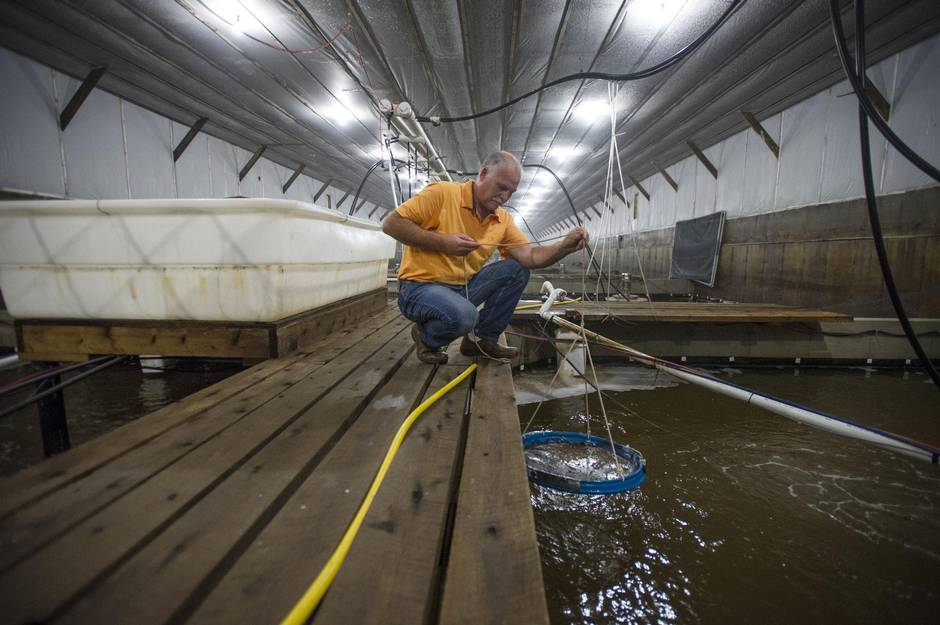
Nestled in the picturesque countryside of Campbellford, Ontario, a unique shrimp farm operates, owned by Paul and Tracey Cocchio. The couple initially raised pigs starting in 1998. However, as pork prices dropped annually, their business began to struggle, prompting them to seek alternatives.
In 2015, Paul came across an article online about farmers in the U.S. raising shrimp. After consulting with his wife and drafting a business plan, Paul decided to convert their pig farm into a shrimp farm. Determined to handle the process independently, the couple sought no outside assistance.
The farm’s modernization took a year. Paul repurposed a 20-by-40-foot pig barn, installing 16 tanks filled with water maintained at 29°C (84°F). He equipped the tanks with air pumps, aerators, and heaters. By 2016, Paul received an official shrimp farming license, marking the start of their shrimp farming venture.
Developing the Shrimp Business
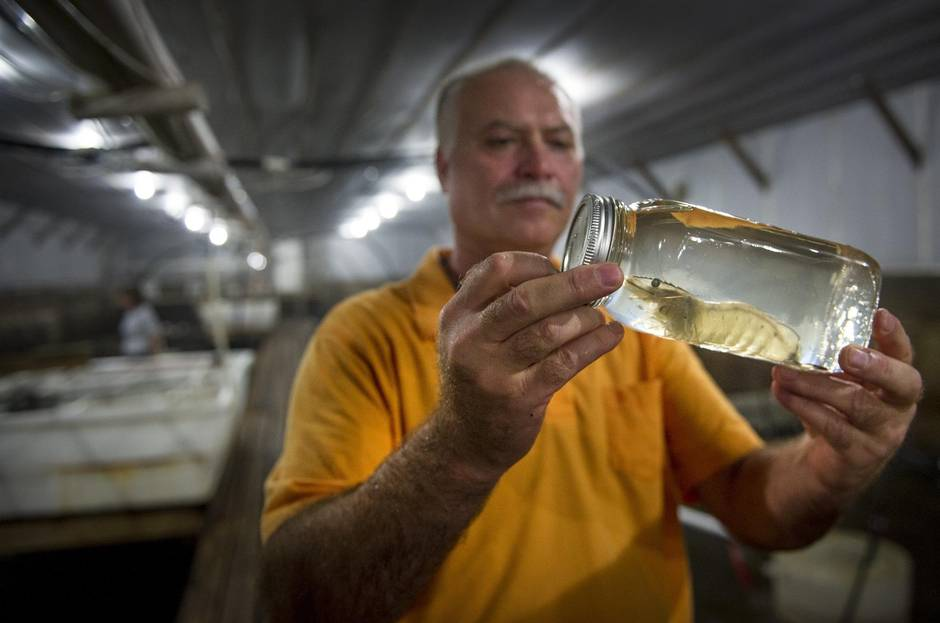
The Cocchio farm specializes in Pacific white shrimp. The farmer receives batches of 20,000 shrimp larvae from a Florida hatchery via express shipping.
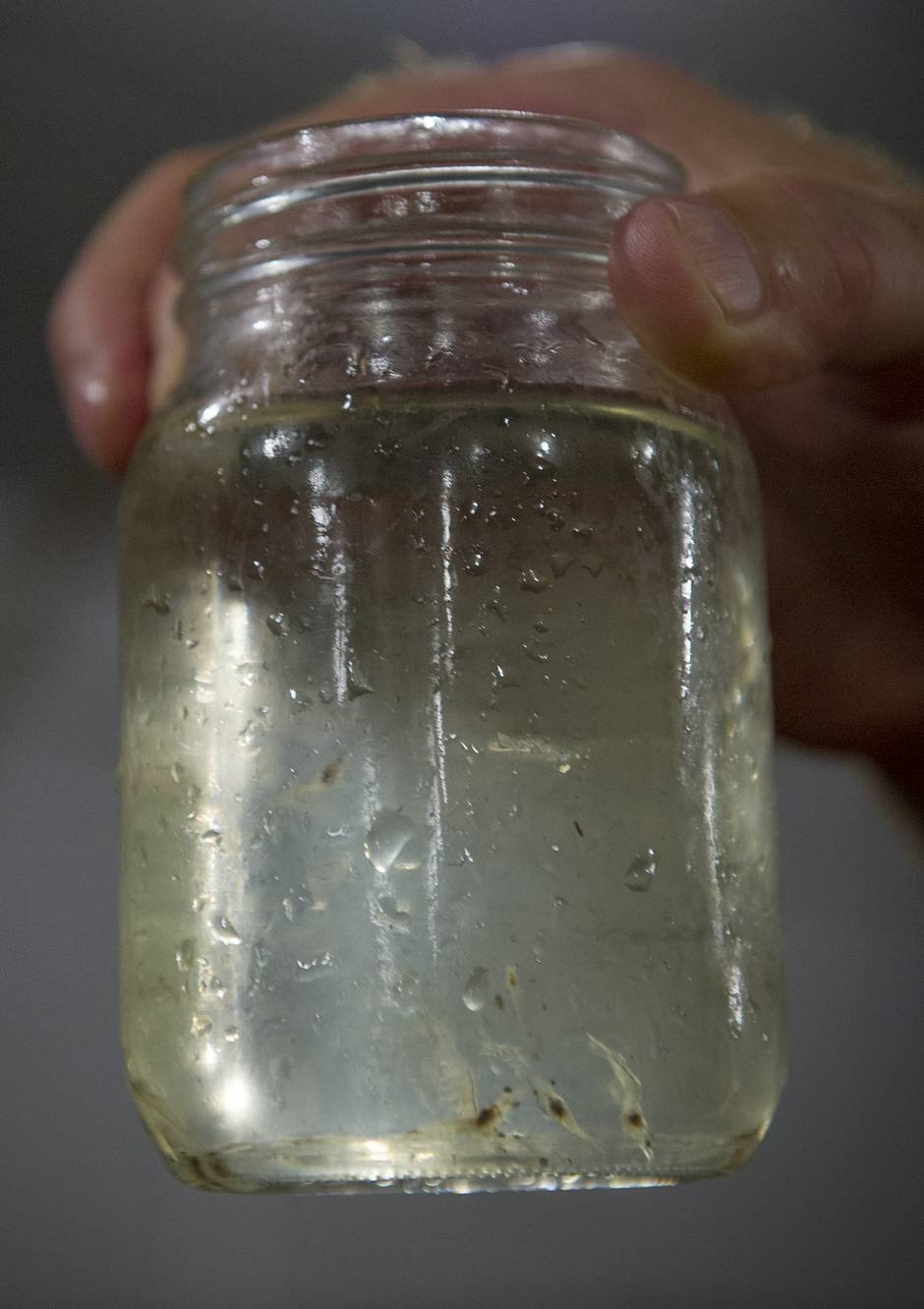
Upon arrival, the larvae are placed in a four-foot-deep starter tank for three to four weeks. They are then moved to the main tanks for four months, where they grow to maturity. The shrimp are ready for sale when they reach 20 grams in weight and about five inches in length.
Paul raises the shrimp without any growth-enhancing additives. The shrimp are fed three times a day, and water quality is tested regularly. Paul and his family dedicate 14 hours a day to caring for the shrimp.
Despite initial challenges, the Cocchio family farm quickly achieved success. By 2016, they were harvesting approximately 70 kilograms (154 pounds) of fresh shrimp weekly. They also began receiving orders from local restaurants. Harvesting takes place in the morning, and Paul delivers fresh shrimp to customers in the afternoon.
Environmental Benefits
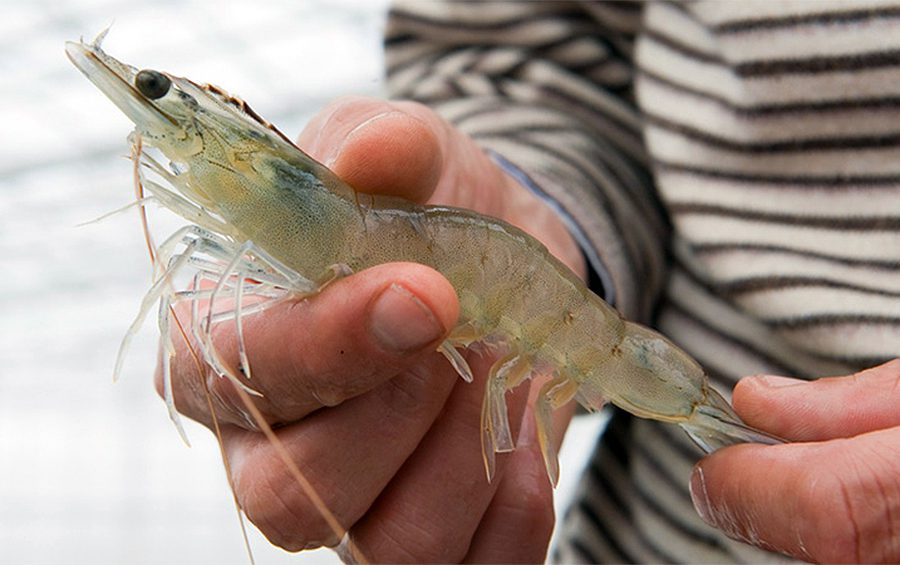
The shrimp farm contributes positively to the planet. Closed-loop shrimp farming is environmentally friendly, as it does not harm or pollute the surrounding ecosystem. The water in the tanks is continuously recycled and does not enter rivers or soil. The water contains biofloc, which consumes waste from the shrimp, such as excess feed and feces, eventually becoming a source of food for the shrimp.
Environmental experts who visited the Cocchio farm praised its eco-friendly methods. Teddy Geach, a seafood specialist from Oceanwise, also endorsed the farm’s sustainable practices.
Experts emphasize that oceans have limited resources, yet overfishing continues to exert significant pressure on marine ecosystems. Developing alternative food sources is crucial.
Closed-loop shrimp farming is considered the best alternative compared to traditional open-pond shrimp farming practices in Asia. In open-pond systems, feed, antibiotics, and other waste products pollute the environment, making Ontario’s approach a shining example of sustainable aquaculture.