

The importance of green spaces in urban environments cannot be overstated. Today, we delve into the significance of greenery in Toronto, its challenges, and how it impacts the city’s well-being. Learn more on toronto.name.
Greening Strategies and Plans
Residents of Toronto deeply value the city’s parks and other natural spaces. A 2011 report by Toronto Public Health (TPH) titled “Healthy Toronto by Design” highlighted green spaces as a crucial factor in promoting overall health. On November 21, 2011, the Toronto Board of Health approved the “Improving Health” report, which emphasized the importance of updating the Parks Plan to reduce inequalities and enhance green spaces. The city has also implemented several policies and regulations to maintain and improve Toronto’s greenery.
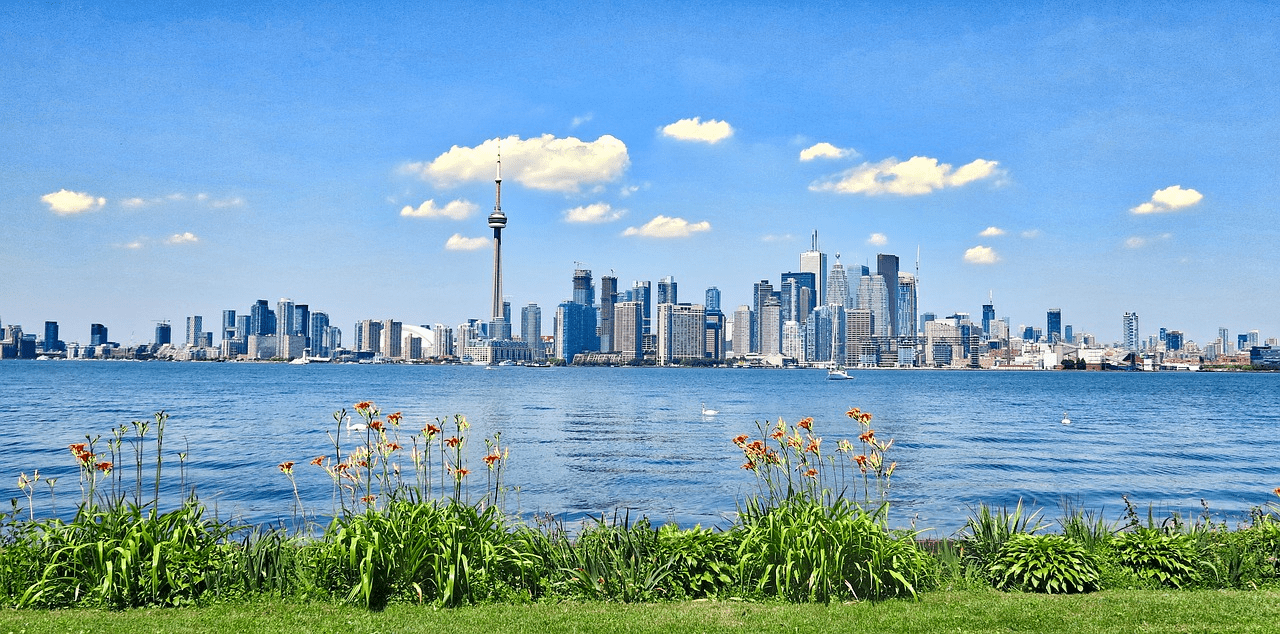
Key initiatives include:
- Toronto’s Official Plan, which outlines policies to protect parks, open spaces, urban forests, and Toronto’s natural heritage.
- The Forestry Management Plan (2012–2022), which provides actions to sustain and expand Toronto’s urban forests.
- The Parks Development Plan (2013–2017), which envisions improving park quality, fostering environmental sustainability, and strengthening residents’ connection to green spaces.
Despite these efforts, maintaining and improving green spaces in Toronto remains challenging. Rapid urban growth and increasing population density in the downtown core have heightened the demand for parkland, where space is limited. Trees are under constant threat from extreme weather events (such as the 2013 ice storm) and invasive pests, like the emerald ash borer, expected to decimate 860,000 ash trees (8.4% of Toronto’s total tree population) within five years.
These challenges, combined with directives from Ontario Public Health Standards and Toronto Public Health’s Strategic Plan, underscore the importance of fostering a healthy natural and built environment. To address this, TPH collaborated with EcoHealth Ontario on a systematic review of how green spaces impact health. The findings were published in two key reports: “Green City: Why Nature Matters for Health” by Toronto Public Health and the David Suzuki Foundation’s “Impact of Urban Green Spaces on Heat and Air Pollution in Urban Communities.” These reports highlight the need to preserve and protect green spaces for the health and well-being of Toronto’s residents.
Why Greening Matters to Torontonians
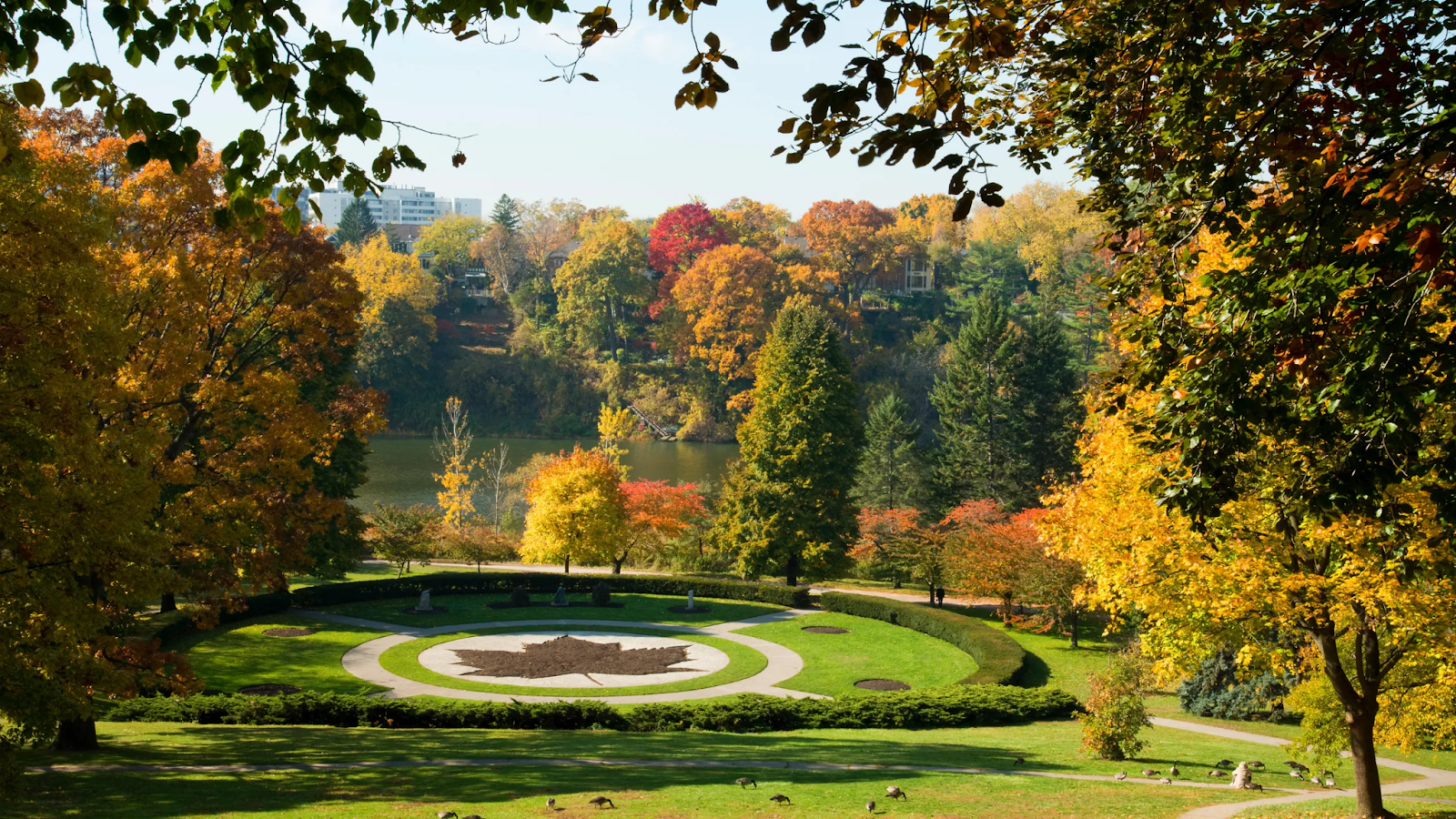
Preserving natural areas for water, food, resources, and other ecosystem services essential for human well-being is well-documented. As cities expand, consuming farmland and natural habitats, interest in understanding the health benefits of green spaces has grown. All types of greenery, from individual trees to vast parks like Rouge Valley and High Park, benefit human health by promoting physical activity, enhancing social interaction, reducing stress, restoring cognitive function, providing shade, cooling urban areas, and improving air quality.
Engaging with green spaces—whether through walking, cycling, gardening, hiking, or camping—has been shown to improve well-being. Studies even suggest that simply viewing nature through a window can positively impact health.
Green Spaces and Physical Health
Areas with abundant greenery have lower mortality rates compared to those with limited vegetation, even after accounting for socioeconomic factors linked to increased mortality. Studies conducted in Canada, the U.S., the U.K., and Spain reveal a consistent link between higher vegetation density and lower death rates. For instance, the risk of death during heatwaves is significantly higher in areas with sparse vegetation.

Toronto-based research has also explored the connection between street trees and residents’ health. Findings suggest that neighborhoods with a higher density of street trees report better overall health and fewer cardiometabolic conditions compared to areas with fewer trees.
Additionally, planting more trees in urban neighborhoods can improve perceptions of health and reduce cardiometabolic conditions as effectively as increasing household incomes by approximately $10,000 annually. This improved sense of well-being is equivalent to feeling an average of seven years younger. Access to green spaces and physical activity associated with greenery is linked to reduced obesity rates and a lower risk of chronic diseases. For example, children with playgrounds near their homes are nearly five times more likely to maintain a healthy weight. Gardening is another green activity that significantly contributes to physical health, offering greater benefits than indoor exercise due to psychological satisfaction and enjoyment.
Mental Health Benefits for Torontonians
Anyone who has walked through High Park in mid-July can attest to its mood-enhancing effects, thanks to its lush greenery. Observing the trees and plants around, it’s clear that parks resonate with people. Yet, not everyone has access to green spaces, and not all green areas are equally beneficial.
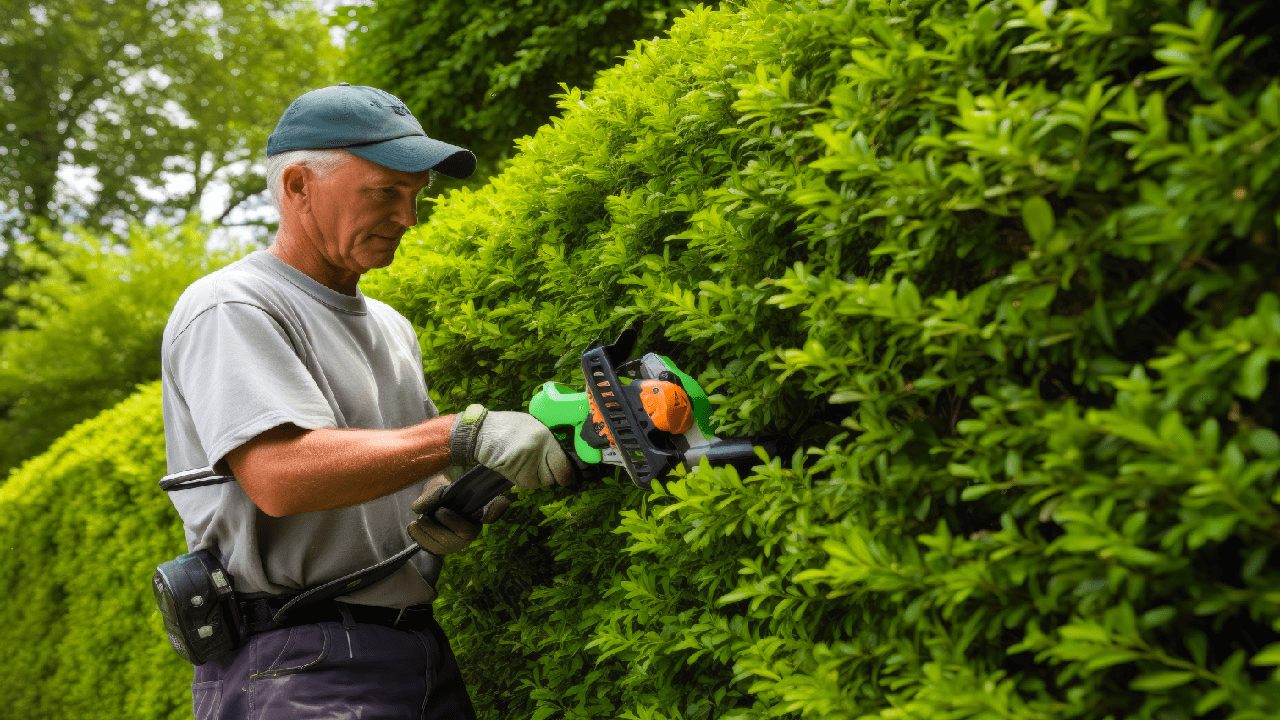
Accessibility involves considering how people can reach a green space—whether by walking, cycling, or other means—and how they can navigate it once there. If a green area is fenced off, its proximity to residents becomes irrelevant. Furthermore, can seniors, children, and individuals with disabilities use the space? For green spaces to positively impact mental health, they must be accessible and usable by all.
Toronto’s commitment to greening the city reflects its recognition of the essential role green spaces play in enhancing physical and mental well-being. By addressing challenges and expanding access, the city continues to prioritize its residents’ health and quality of life.