

The forest ecosystem plays a critical role in the survival of local wildlife and plant species. Forests also provide numerous ecological services for Toronto residents, such as clean air and water, as well as cultural and recreational opportunities. However, the state of Toronto’s forests has drastically changed since European settlement. Urbanization, agriculture, and industrial expansion have reduced the province’s forest ecosystem to a mere fraction of its former state by 2024. These threats are further exacerbated by the presence of invasive plant species, which grow rapidly in the absence of natural predators and outcompete native plants. Learn more on toronto.name.
Why is Forest Restoration Important?
The benefits of forest restoration include:
- Enhanced habitat connectivity
- Climate change mitigation through carbon absorption
- Air filtration
- Groundwater recharge
- Improved aesthetics and increased property values
- Better physical and psychological well-being for residents
Urban areas are typically several degrees warmer than rural areas due to a lack of vegetation, poor ventilation, and the heat-reflecting properties of materials like concrete and asphalt. Studies show that spending time in forests reduces depression, fatigue, anxiety, and confusion. This concept is popularized in Japan as “forest bathing.”
Types of Vegetation in Toronto
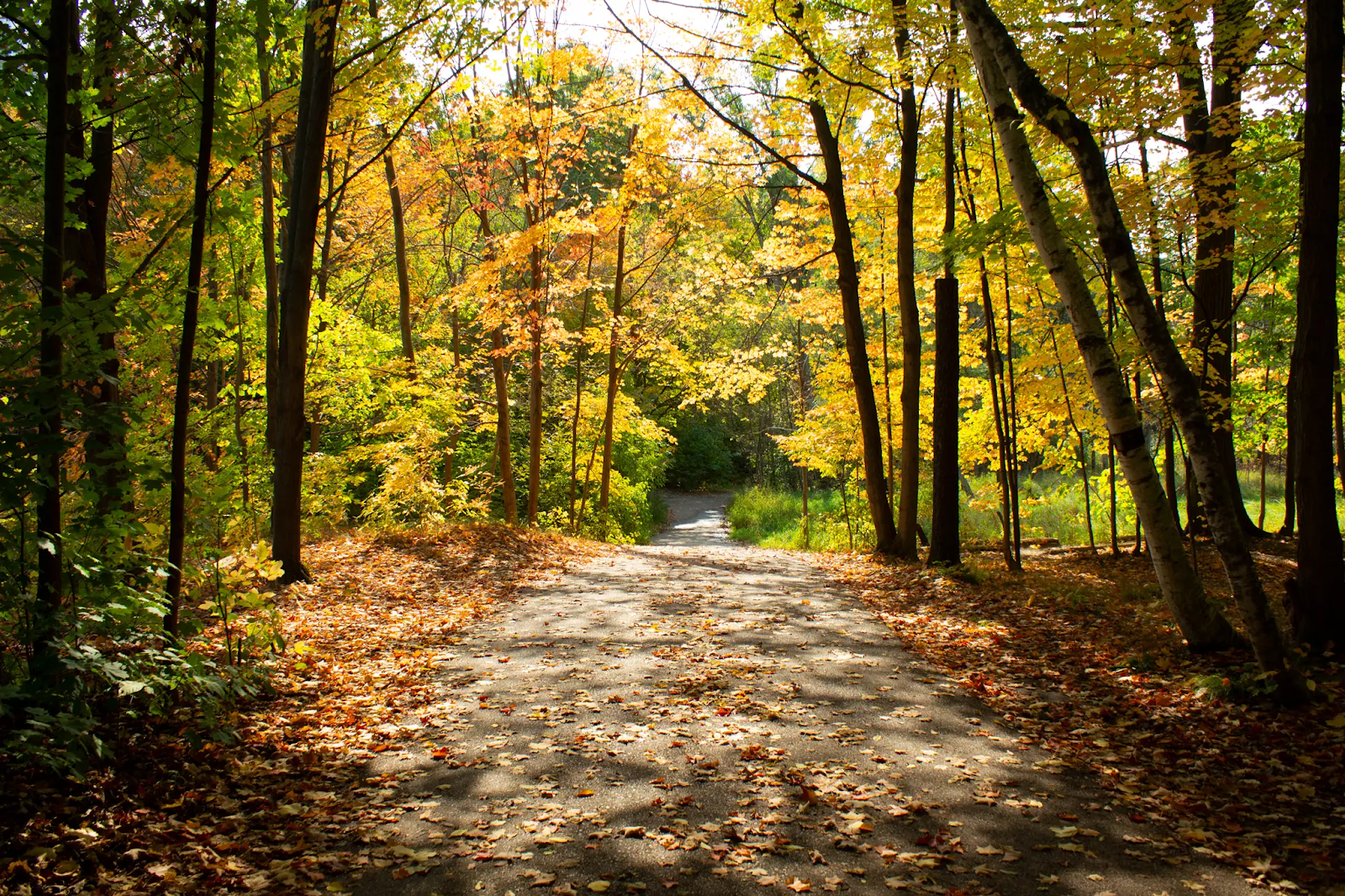
Forests are Toronto’s most widespread terrestrial ecosystem. Over 60% of the canopy is dominated by trees, accompanied by various herbaceous plants in the understory.
Two forest regions define Toronto’s vegetation types:
- The Deciduous Forest Region (Carolinian Zone):
Found in Toronto’s southwestern parts, such as the western waterfront and the lower sections of the Etobicoke Creek, Mimico Creek, and Humber River. This area is primarily home to broadleaf deciduous trees like maples, oaks, and hickories. - The Great Lakes–St. Lawrence Forest Region (Mixed Forest Region):
Covers most of Toronto and the regions to the north and east. It features a mix of coniferous and deciduous trees, including white pine, eastern hemlock, maple, beech, and oak.
How Does TRCA Restore Forests?
The first step in land restoration involves addressing any previous hydrological disturbances, such as regrading or removing drainage tiles. Trees and shrubs are then planted using potted plants, bare-root stock, or seedlings. In some areas, it is essential to protect these plantings from deer and rodents by using tree guards or fencing. Once the plantings are completed, structural elements are added to the site to enhance critical wildlife habitats.
Forest restoration is an excellent way for the Toronto and Region Conservation Authority (TRCA) to engage local residents through private landowner projects and community or corporate planting events.
TRCA Forest Restoration Projects
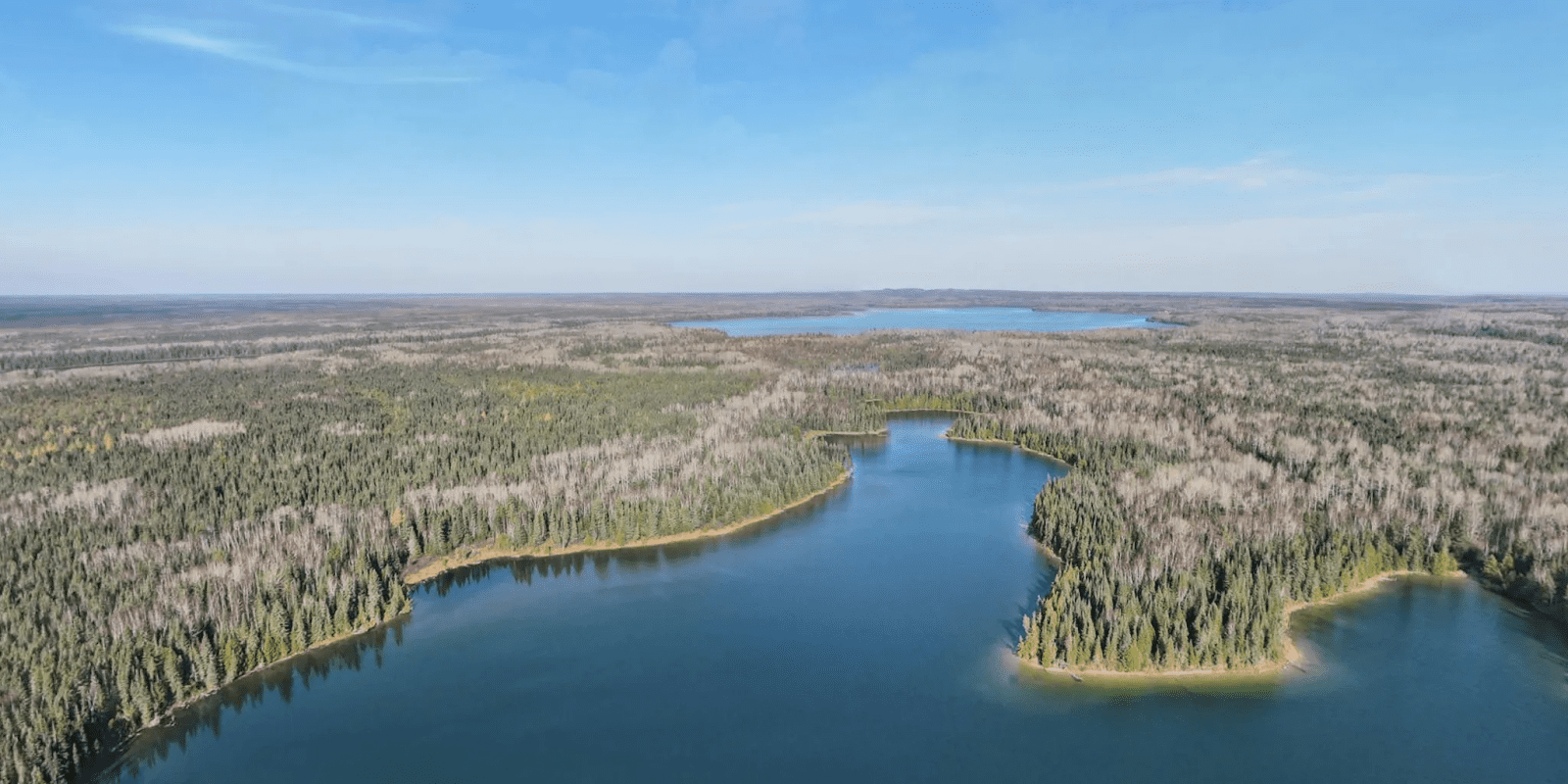
The Bellissimo Forest Restoration Project is located in Toronto within the Humber River watershed. It was implemented as compensation for natural areas lost due to the development of the Bellissimo subdivision. The planting of riparian and lowland forests helps minimize erosion along the adjacent West Humber River, improves stream shading, and increases the overall natural cover. In total, just under 5,000 tree stems and 600 bioengineering units were planted along the riverbanks.
Notably, if the reduction of natural systems due to development cannot be avoided, minimized, or mitigated, it can be compensated by restoring equivalent habitats elsewhere, ideally within the same municipality and watershed (as per TRCA’s Ecosystem Compensation Guidelines).
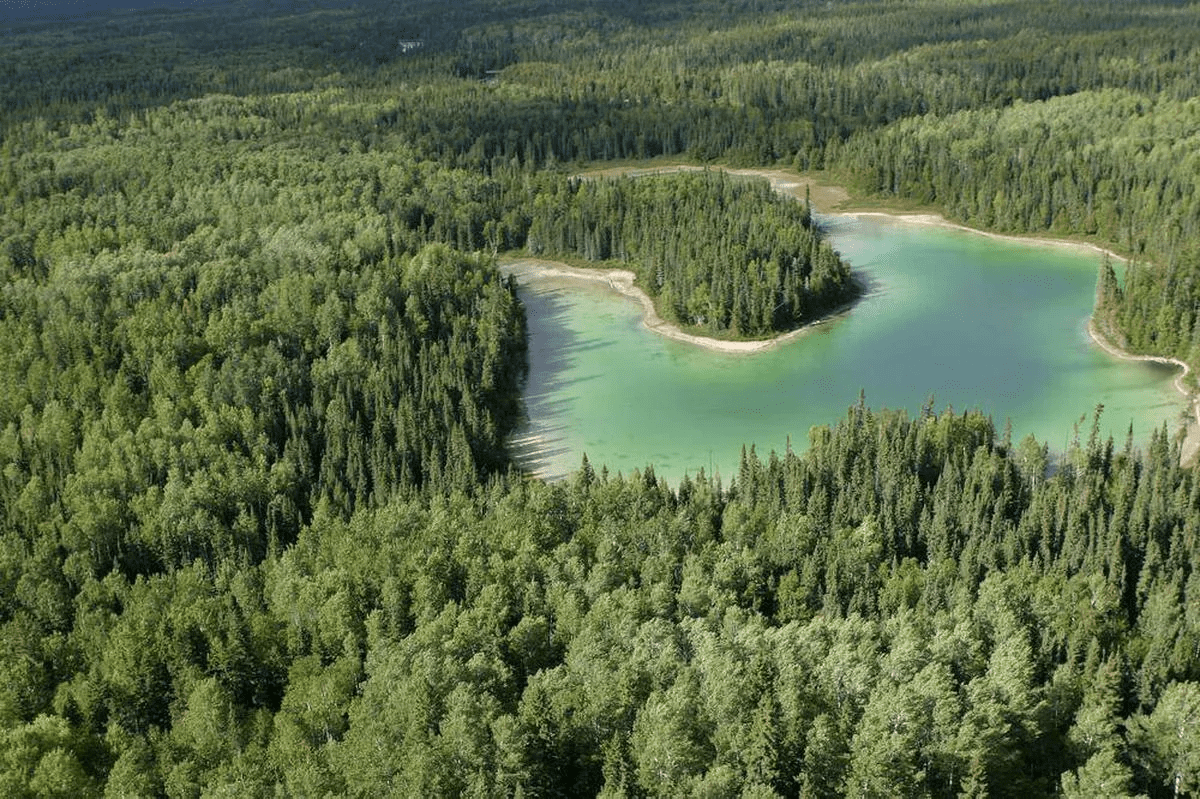
Regarding forest restoration in the Bolton Resource Management area, this project focuses on increasing the quantity and quality of natural cover, reducing fragmentation, enhancing core habitats, and improving corridor connectivity.
Government Support for Nature in the City
Parks, Forestry, and Recreation Toronto (PFR) is a municipal government division responsible for maintaining the city’s network of municipal parks and natural spaces, overseeing urban forestry services, and providing recreational programming at urban facilities.
With a gross annual operating budget of $481.9 million in 2022 and a 10-year capital budget of $2.7 billion, the division manages 1,473 named parks, 839 sports fields, 137 community centres, nearly 670 other recreational facilities, and oversees more than 3 million trees in the city. PFR employs over 4,000 full-time, part-time, and seasonal staff, both unionized and non-unionized, making it one of the city’s largest service departments. The division is led by General Manager Janie Romoff as of 2024 and is organizationally part of the city’s Community and Social Services cluster.
In 1884, an administrative group called the “Committee of Public Walks and Gardens” was officially established to oversee city parks and green spaces. Before its formation, the city as a whole was responsible for these spaces, including a large public reserve south of Front Street from Yonge to Spadina. In the 19th century, the committee focused on maintaining greenery and facilitating public walks, with little attention given to recreational activities or leisure spaces. However, the early 20th century saw significant social changes in Toronto, bringing controlled recreational activities into focus.
The 20th century also marked the development of playgrounds throughout the city. While there were no playgrounds in 1912, by 1947, the city had established 121. Picnic areas and other recreational spaces also became available in parks across the city. In 1945, the department assumed responsibility for creating and maintaining community centres. By 1947, it was renamed the Department of Parks and Recreation.
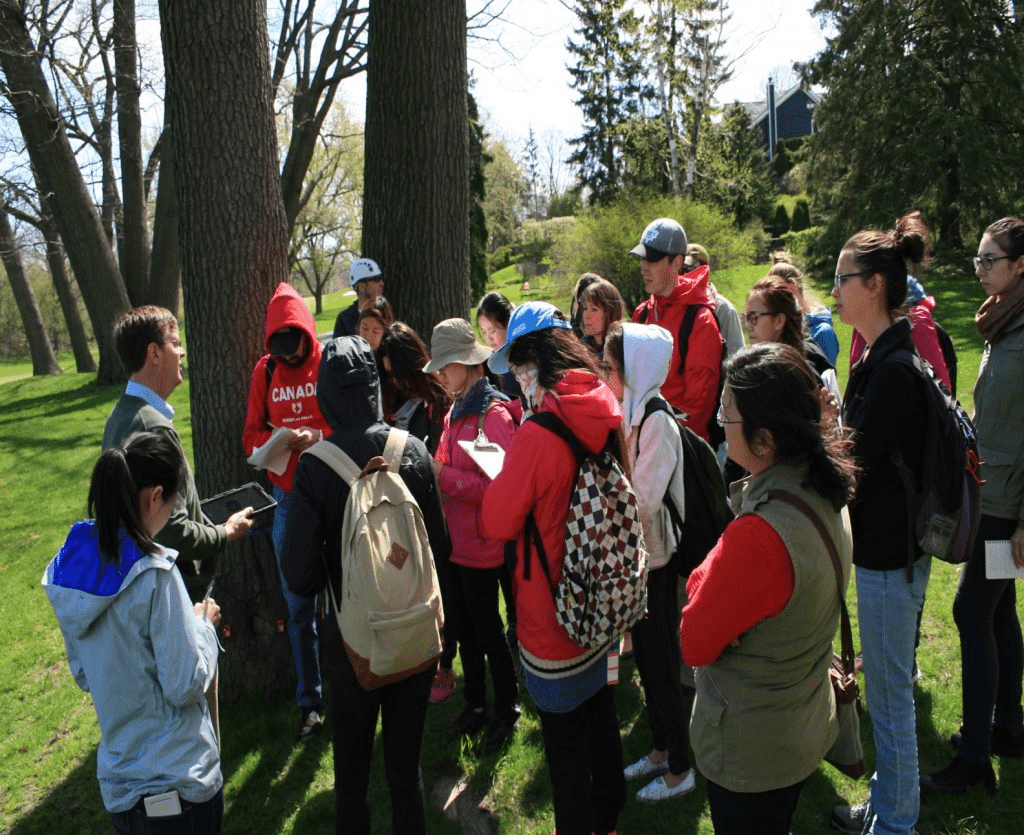
Aquatics is a part of Community Recreation and oversees the operation of 65 indoor city pools, 59 seasonal outdoor pools, 100 wading pools, 93 splash pads, and Kidstown Water Park. It also provides aquatic education programs. PFR manages several Olympic-sized swimming pools, including the Toronto Pan Am Sports Centre and the Etobicoke Olympium. Educational programs include the “Learn to Swim” initiative and Ultra levels, developed in collaboration with the Lifesaving Society and SPLASH Swim Team. Additionally, there are junior lifeguard courses and rescue training sessions. Recreational swimming is offered free of charge at all pools managed by the division. The city also hires lifeguards along the waterfront during the summer months. The Waterfront Lifeguard Program, previously run by the Toronto Police Service as the Police Lifeguard Service, was transferred to PFR following a modernization initiative in 2017.
Moreover, the city offers a subsidy to help low-income individuals and families access recreational programs, provided as a credit in the city’s “efun” system. As of 2018, the credit amounts to $537 for children and youth and $249 for adults and seniors.
Sources