

The Green Lane Landfill is located in Southwold, Ontario, approximately 200 kilometres from Toronto. Operated by the City of Toronto, it includes a landfill gas collection system and waste processing facilities. Here’s a closer look at its history and innovations. Read more on toronto.name.
Finding a Location for the Landfill
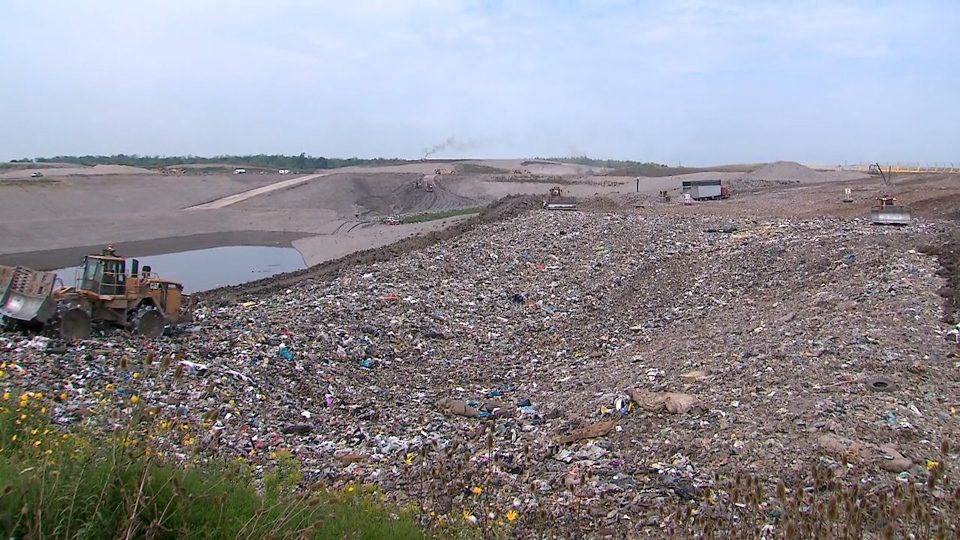
In the 1990s, Toronto’s main landfill, Keele Valley, approached its capacity, and no other municipality was willing to accept the city’s waste. Following the closure of Keele Valley, an agreement was made to transport waste to alternative sites. Initially, the abandoned Adams Mine in Northern Ontario was considered for landfill use. However, significant public backlash from nearby residents led to the cancellation of this plan.
Even before Keele Valley’s closure, the city had secured a contingency agreement to transport waste to Carleton Farms, a landfill in Sumpter Township, Michigan, USA. Despite resistance from Michigan residents, the state government approved the contract.
In the spring of 2006, Carleton Farms announced that starting in August of the same year, it would cease accepting biosolids but would continue taking municipal solid waste.
Acquisition of the Green Lane Landfill
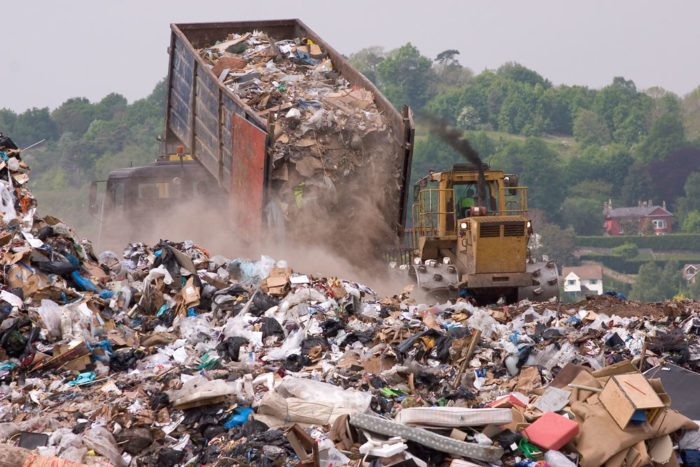
In September 2006, Toronto City Council approved the purchase of the privately owned Green Lane Landfill. While the decision passed by vote, it faced opposition from councillors and environmental groups.
In 2007, Toronto formally acquired Green Lane Landfill. Initially a small municipal site, by 2022, the landfill expanded to 129.7 hectares, with 71.2 hectares approved for waste disposal. Rigorous monitoring and oversight have minimized its environmental impact.
Since the introduction of a landfill gas collection system, Green Lane has significantly reduced greenhouse gas emissions. By 2017, methane emissions were cut by 414,301 metric tonnes in CO2-equivalent terms. This progress has also improved air quality and reduced odours through innovations like temporary caps on waste cells.
The Modern Green Lane Landfill
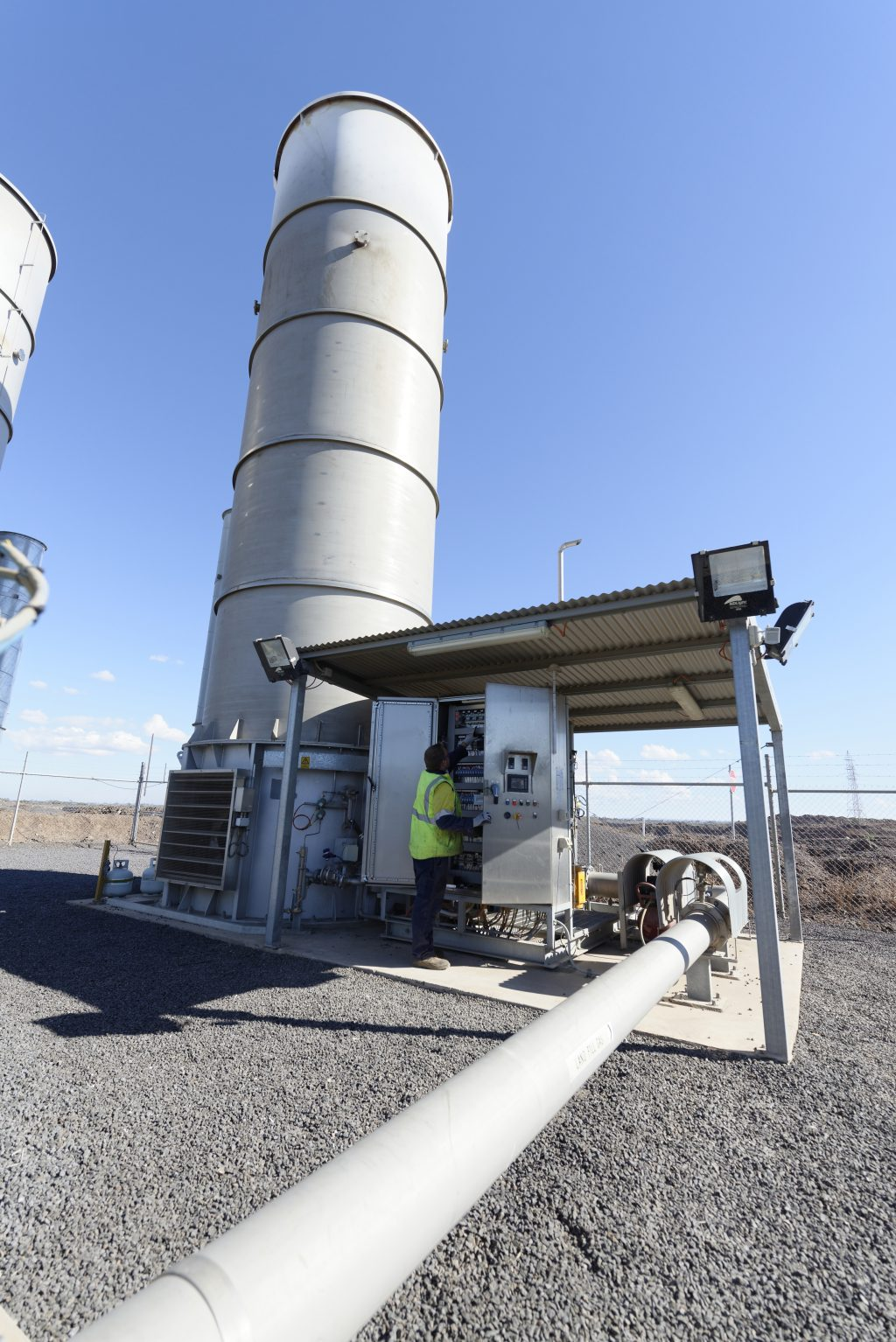
As of 2023, the Green Lane Landfill features advanced systems, including:
- Leachate Hydraulic Trap: Reduces the risk of leachate entering the surrounding environment.
- Leachate Collection and Treatment: Ensures contaminants are managed effectively.
- Landfill Gas Collection System: Captures and flares landfill gases.
- Stormwater Control: Manages runoff to prevent contamination.
The landfill gas is collected using vertical and horizontal wells. Vertical wells are installed in completed waste disposal areas, while horizontal wells are added during the construction of new cells.
Blowers on the flares extract gas from the wellheads and direct it through a network of pipes to a central collection system along the landfill’s northern and southern boundaries. Approximately 4,300 cubic feet of landfill gas are collected per minute and burned in three closed flares.