

Balancing economic growth, environmental sustainability, gender equality, and social inclusion, the tourism and hospitality sectors hold immense potential for job creation and revenue generation. However, historical reliance on environmentally harmful practices and prioritizing foreign visitors over local culture and inclusivity has made the industry vulnerable to global trends and market fluctuations. Read more on toronto.name.
Data from the World Tourism Organization and General Overview
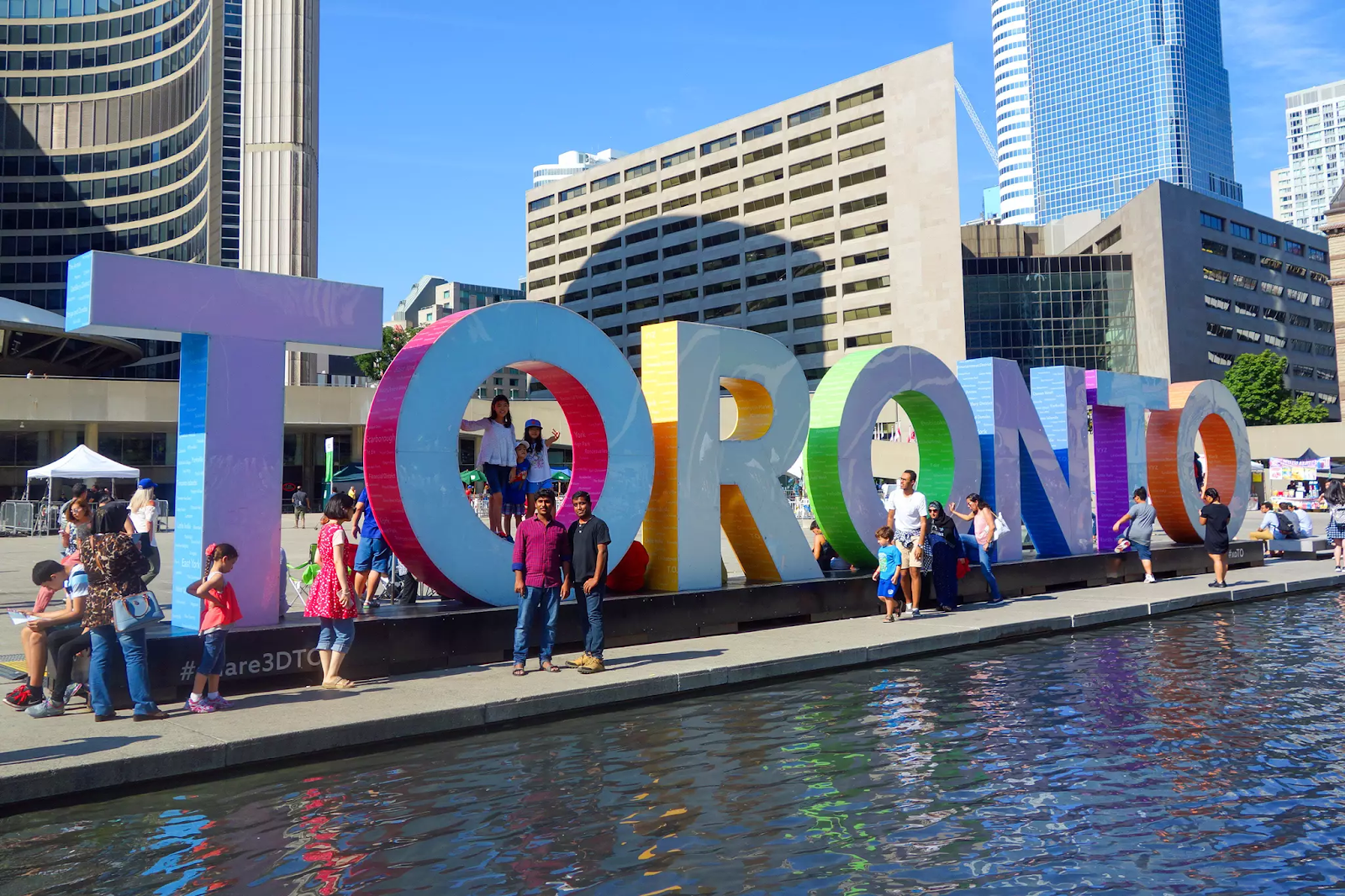
According to the World Tourism Organization, a growing share of the global population engages in tourism activities each year, with tourism evolving into one of the most dynamic and rapidly growing industries worldwide. In 1999, international tourist numbers reached 664 million. Canada is currently ranked as one of the top 15 global tourist destinations, having risen from 11th place in 1995 to 7th.
Tourism is a key sector and a vital component of the economy, with Toronto standing as Canada’s largest tourist destination. In 2000, the city welcomed an impressive 16.2 million visitors, according to Tourism Toronto. In 1999, tourism revenues increased by 1.9%, reaching $3.249 billion. Furthermore, the sector employs 93,000 people in Toronto, playing an increasingly significant role in the city’s economic development.
In recent years, experiential tourism has gained popularity, as many travelers seek to immerse themselves in cultures vastly different from their own. Traditional package holidays are being replaced by trips that offer educational experiences. A column in the Huffington Post noted that 86% of millennials prefer cultural immersion over 44% who prioritize fun and 28% focused on shopping.

Canada is a favourite destination for tourists, boasting beautiful cities such as Vancouver, Montreal, Quebec City, and Toronto. From the snowy slopes of Whistler to Banff National Park in Calgary, the country offers a plethora of attractions. In Toronto alone, over 43 million new visitors arrive each year, as reported by CBC News. The city’s natural beauty, man-made attractions, and welcoming residents make it a prime destination for memorable experiences.
What Is Experiential Tourism?
Toronto is not just a beautiful city with countless memories to offer—it also benefits from key factors driving its tourism growth.

- Improved Standard of Living: Economic growth in many countries has allowed families to allocate more resources for travel and vacations. With the ability to afford multiple trips annually, many people use their savings to embark on their dream journeys.
- More Leisure Time for Travel: Modern companies increasingly permit employees to carry unused vacation days forward, enabling longer trips. Freelance opportunities in various professions also let individuals combine work and leisure.
- Rising Interest in Adventure Tourism: Toronto has developed its tourism base in the adventure segment, offering visitors the chance to experience classic Canadian winters or marvel at Niagara Falls.
Unique Tourism in Toronto

For those seeking unique experiences, here are a few must-visit attractions in Toronto:
- CN Tower: This iconic Toronto landmark offers a bird’s-eye view of the city. At 365 metres tall, the tower provides unforgettable panoramic sights for those who can overcome their fear of heights.
- Toronto Motorsports Park: Speed enthusiasts will enjoy the Canadian Tire Motorsports Park, where they can indulge in safe, legal high-speed thrills and live out their dream of being a racecar driver for a day.
- Ripley’s Aquarium of Canada: This aquarium offers a safe environment to come face-to-face with marine life, including giant rays, sea turtles, and tiger sharks.
- Thomas Fisher Rare Book Library: Book lovers will delight in the University of Toronto’s Thomas Fisher Rare Book Library, home to over 750,000 rare volumes, including handwritten letters by Charles Dickens.
Swisscontact’s Role in Toronto’s Tourism Value
Swisscontact combines demand-driven analysis, visitor insights, product development potential, and sector integration to create appealing destinations while ensuring competitive, sustainable, and inclusive outcomes. Their approach encourages local stakeholders to engage actively, providing training and guidance. Swisscontact offers technical support in destination planning, product development, marketing, and organizational capacity building.
Swisscontact collaborates closely with stakeholders across the tourism and hospitality sectors, including government bodies, private organizations, civil society, academia, and international agencies. Successful and sustainable tourism relies heavily on the private sector’s entrepreneurial spirit, including adopting environmentally friendly practices, maintaining gender and social responsibility, and adhering to fair labour conditions.
Their holistic approach includes comprehensive destination analysis to assess the socio-cultural, economic, and environmental impacts of tourism. They focus on capacity-building for local stakeholders, fostering market connections and entrepreneurial opportunities in the private sector, and enabling communities to influence inclusive tourism development. Swisscontact also provides specialized consulting, training, and research services to address specific challenges in sustainable tourism development, supporting the entire tourism value chain. Overall, Swisscontact enhances conditions, promotes inclusive growth, and maximizes tourism’s positive impact in the city.