

William Lawrence was a well-known figure in Toronto. An expert in plants and flowers, he was an excellent gardener. Thanks to his knowledge and passion for horticulture, Lawrence became the founder of the retail flower business in Toronto. Later, his efforts earned him the presidency of the Canadian Horticultural Society. Learn more about how Lawrence established a greenhouse complex in Toronto in this article on toronto.name.
How It All Began
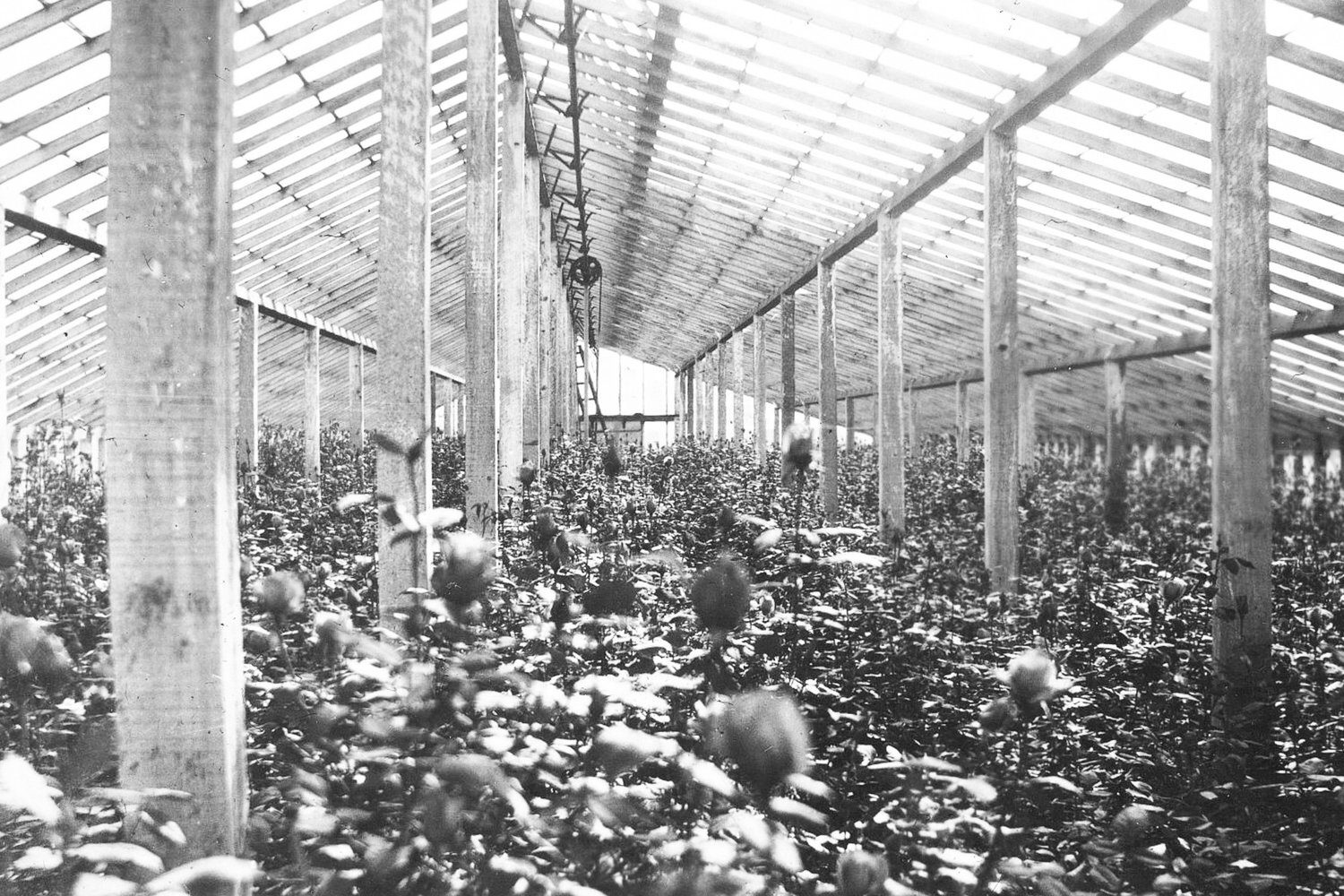
In the fall of 1911, William purchased a farm from John Palmer for $13,000. Located east of Richmond Hill, the farm was on a sunny slope near a railway, where Lawrence began constructing a greenhouse.
By the summer of 1912, Lawrence had completed a large greenhouse measuring 214 metres in length and 27 metres in width. The structure was made of glass and housed approximately one hectare of flowers.
During the colder months, the greenhouse was heated by steam from a nearby boiler. Adjacent to the greenhouse, a separate building was equipped with refrigeration facilities where flowers were packed.
In 1913, Lawrence built an additional five greenhouse structures on the property, covering an area of approximately 9,100 square metres. These greenhouses were used to grow roses, carnations, chrysanthemums, and many other types of flowers.
Lawrence distributed the flowers to various retail outlets in Toronto, marking the start of his successful flower business. Orders were also shipped by mail, allowing his products to reach all corners of Toronto and beyond.
William Lawrence’s roses were highly regarded. He frequently participated in exhibitions where his flowers consistently won first place. Gardeners and tourists often visited his greenhouses, drawn by the beauty of his blooms.
Setbacks in Cultivation
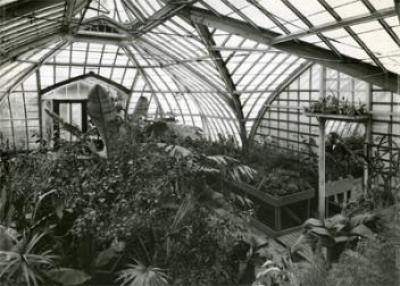
Despite his success, Lawrence faced challenges in growing his plants. In the winter of 1913, a section of the roof of his largest greenhouse collapsed under the weight of heavy snow. In the spring, the same greenhouse was severely damaged by wind, shattering the glass and destroying thousands of roses.
Another setback occurred in 1913 when a bylaw was passed approving a $5,000, 10-year loan from the government to Lawrence. The funds were meant to help rebuild his greenhouses after the damage caused by snow and wind. Unfortunately, the loan was never granted, and by 1919, a disappointed Lawrence sold his greenhouse complex to Ofield and Cotton.
Active Community Involvement
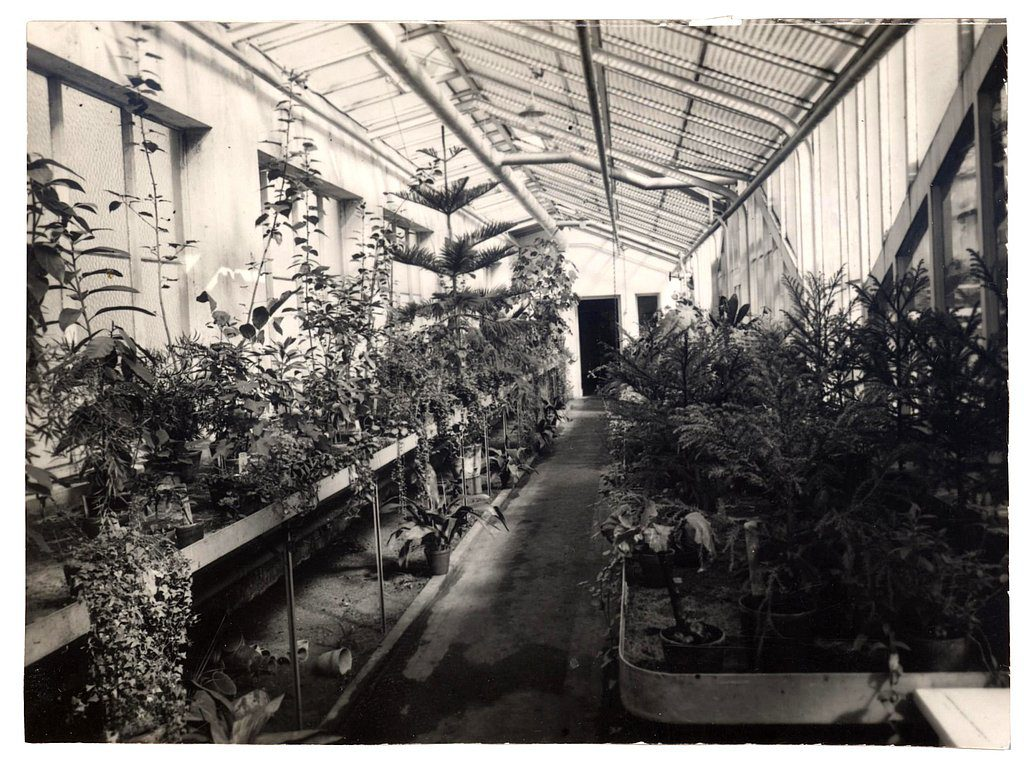
Lawrence played a significant role in the development of Richmond Hill. He actively encouraged visiting horticulturalists to settle in the village and introduced Toronto florist John Dunlop to the village council. Dunlop, who was considering building a greenhouse in Richmond Hill, received Lawrence’s full support as it would benefit other florists and meet a growing demand.
The village council allocated one hectare of land to Dunlop, stipulating that it could only be used for greenhouse development.
By late 1913, Dunlop had constructed two greenhouses. In the spring of 1914, his 50 roses won first prize at the International Rose Show in New York. By 1915, Dunlop was supplying 10,000–12,000 carnations weekly to various Canadian cities.
In September 1930, Dunlop passed away unexpectedly, and his greenhouses were acquired by Harold Mills, who had started his greenhouse business the same year as Lawrence. Mills’ roses won numerous awards at the Royal Winter Fair in Toronto. In 1939, a bouquet of his roses was sent via air express to Queen Elizabeth during her royal visit to Ottawa.
Mills and Lawrence worked together to beautify the village, aiming to spark interest among local residents in growing flowers and fruit. Their efforts inspired others to establish greenhouses and nurseries.
The horticultural industry made Richmond Hill famous. By 1939, the village was producing and selling 4 million roses annually. This industry employed 100 people and contributed $250,000 to the local economy. Through their dedication and passion, these gardeners not only enhanced their community but also brought benefits to both people and nature.