

John Tuzo Wilson was a distinguished geophysicist and geologist whose groundbreaking work brought recognition to Toronto. He is perhaps best known for his research and development of the theory of plate tectonics. His exceptional contributions earned him numerous accolades, including the Vetlesen Prize in 1978, often regarded as the “Nobel Prize” for Earth scientists, reports toronto.name.
The Geophysicist’s Family
John Tuzo Wilson was born in Ottawa on October 24, 1908, as the eldest child of John Armistead and Henrietta (Tuzo) Wilson. Known as Jack or Jock in his family, he adopted his middle name professionally to avoid confusion with another Jack Wilson, gaining international recognition as “Tuzo.”
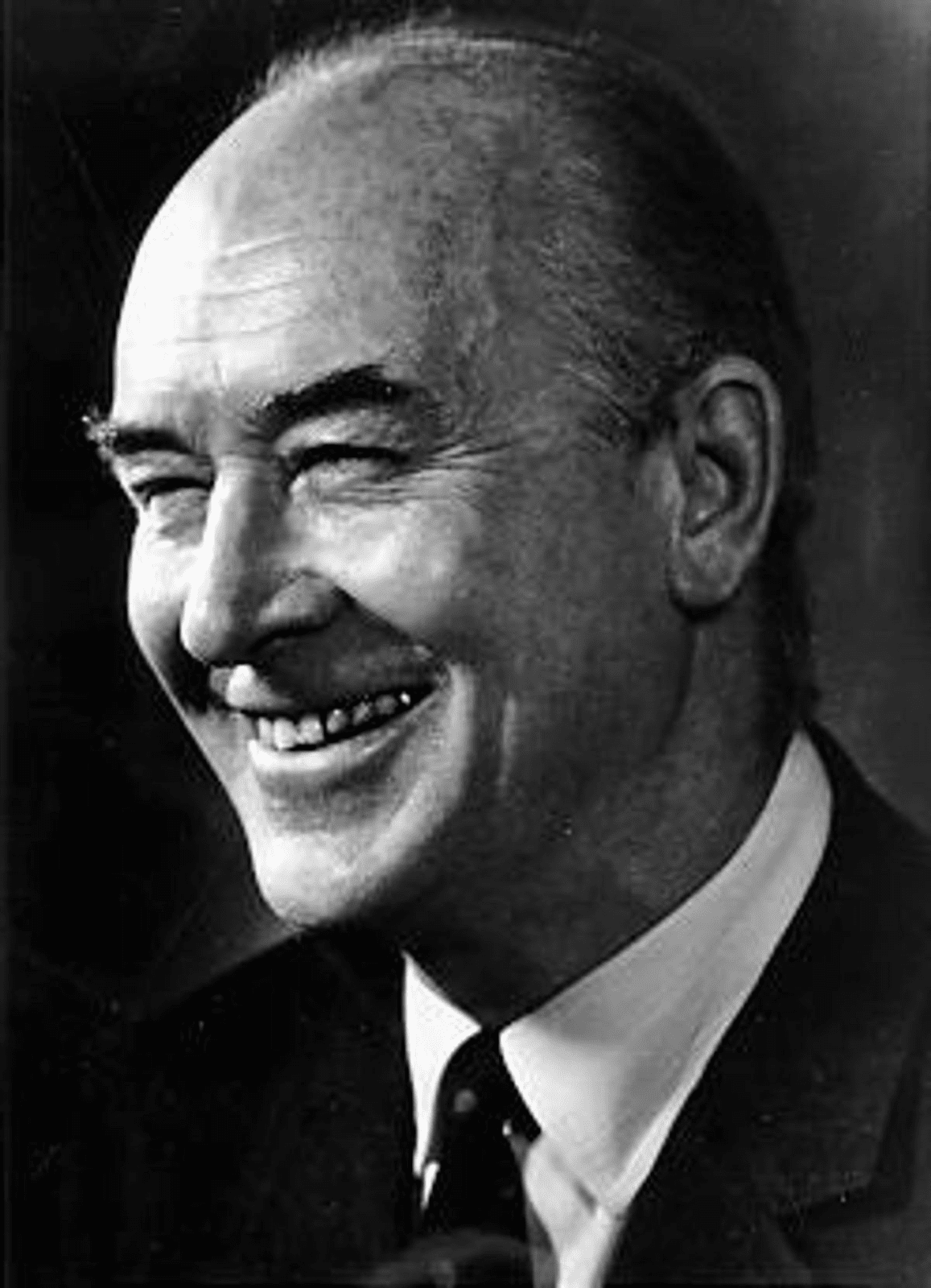
His father, a Scottish engineer born in 1879, had experience working in India and western Canada. He met Henrietta Tuzo during a holiday in Banff, Alberta. They married in 1907 and relocated to Ottawa, where John Wilson accepted a government position. Initially working in the Naval Service, he later developed a fascination with aviation. In 1918, he was tasked with advancing civil aviation in Canada, a role he held until retiring after World War II. Among his achievements was selecting sites for major airports, including Dorval (Montreal) and Pearson (Toronto).
In 1935, Tuzo Wilson became the first to scale Mount Gaga in Montana, inspired by his parents’ mountaineering legacy. A land feature in the Rockies, Tuzo Peak, is named after his mother.
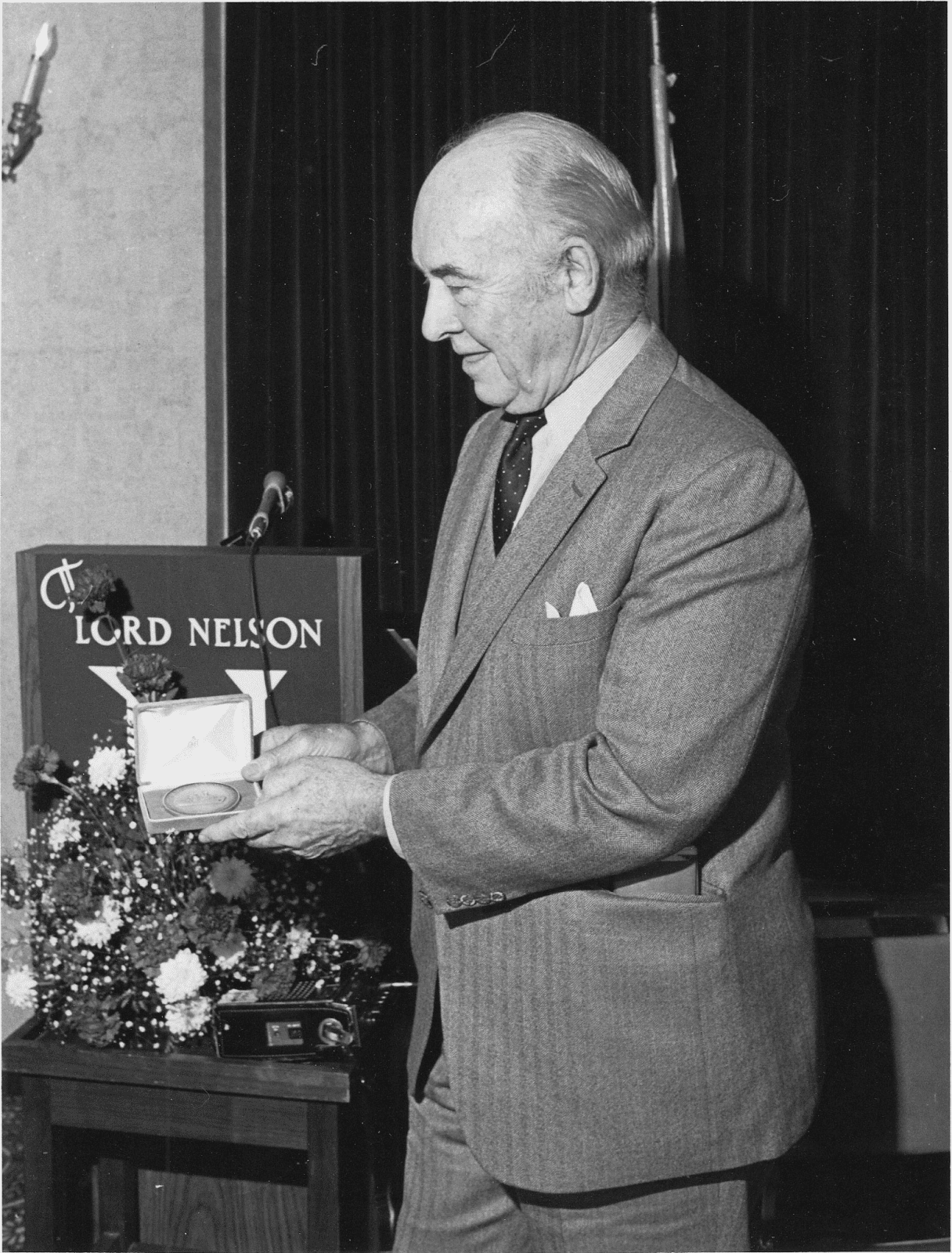
Wilson’s Career Achievements
Tuzo Wilson earned a BA in Physics and Geology from the University of Toronto in 1930, followed by degrees from Cambridge University (1932, 1940) and Princeton University (1936).
He worked for the Geological Survey of Canada from 1936 to 1939. During World War II, he served with the Royal Canadian Engineers, achieving the rank of colonel. Post-war, he became a Professor of Geophysics at the University of Toronto (1946–74) and Director of Erindale College (1967–74). He also held roles with the National Research Council (1958–64), the Canadian Defence Research Board (1960–66), and the Science Council of Canada (1977–83).
Wilson’s scientific contributions earned international acclaim for his work on glaciers, mountain building, ocean basins, and continental structures. However, his most significant achievement was advancing the theory of plate tectonics. He also pioneered the use of aerial photography in geological mapping and created Canada’s first glacial map.
After retiring as Erindale College Director in 1974, Wilson combined his scientific and public interests as the General Director of the Ontario Science Centre (1974–85). He continued teaching at the University of Toronto as a distinguished lecturer (1974–77) and later as an honorary professor (1977). From 1983 to 1986, he served as the Chancellor of York University. Even in retirement, he pursued writing and research projects, although his autobiography remained unfinished.
Contributions to the Geological Survey of Canada
Wilson’s contributions to geophysics were widely recognized, exemplified by his presidency of the International Union of Geodesy and Geophysics (1957–1960). In 1978, the Canadian Geophysical Union established the John Tuzo Medal in his honor. The Tuzo Wilson Seamounts, an underwater mountain range off British Columbia’s coast, are also named after him.
In 1936, Wilson joined the Geological Survey of Canada as an assistant geologist. At the time, the Survey focused on mapping the country at scales ranging from one inch per mile to one inch per four miles in remote areas. Staff were expected to lead summer field parties with student assistants.
Wilson’s first assignment was in southern Nova Scotia, completing maps from the region’s earlier gold rush exploration. Later, he worked in Quebec and, more importantly, the Northwest Territories, overseeing student expeditions to remote and challenging locations. Some areas had not been visited by non-Indigenous researchers since Samuel Hearne’s explorations.
Sources