

Throughout history, humans have sought ways to protect themselves from harsh environmental conditions such as cold weather. Over the years, technological advancements have made home heating safer and more convenient. With proper maintenance and occasional repairs, modern heating systems often require no more than a flip of a switch and thermostat adjustment. However, a warm, well-insulated home has not always been this easy to achieve. Learn more at toronto.name.

How Did People Stay Warm Centuries Ago?
Recent discoveries suggest that around 44,000 BC, Neanderthal ancestors used indoor hearths for warmth and cooking. It is believed that early humans used fire in caves to combat the cold. While other heating methods emerged over the years, the hearth remained the most common option until the 14th century.
In ancient times, hearths located beneath ceilings were used for heating and cooking. However, exceptions existed, such as heated floors. Evidence shows that by 1000 BC, Koreans used a type of heated floor called ondol. Firewood burned under stone floors absorbed heat, which was then transferred to the home. Later, Romans developed the hypocaust heating system, which involved building structures on pillars with spaces in the floors and walls. Fires were lit beneath the buildings, allowing heat to flow through these spaces and escape via chimneys. This effectively warmed homes while keeping smoke out of living spaces. The use of the hypocaust declined with the fall of the Roman Empire, reverting to hearths during the Middle Ages.
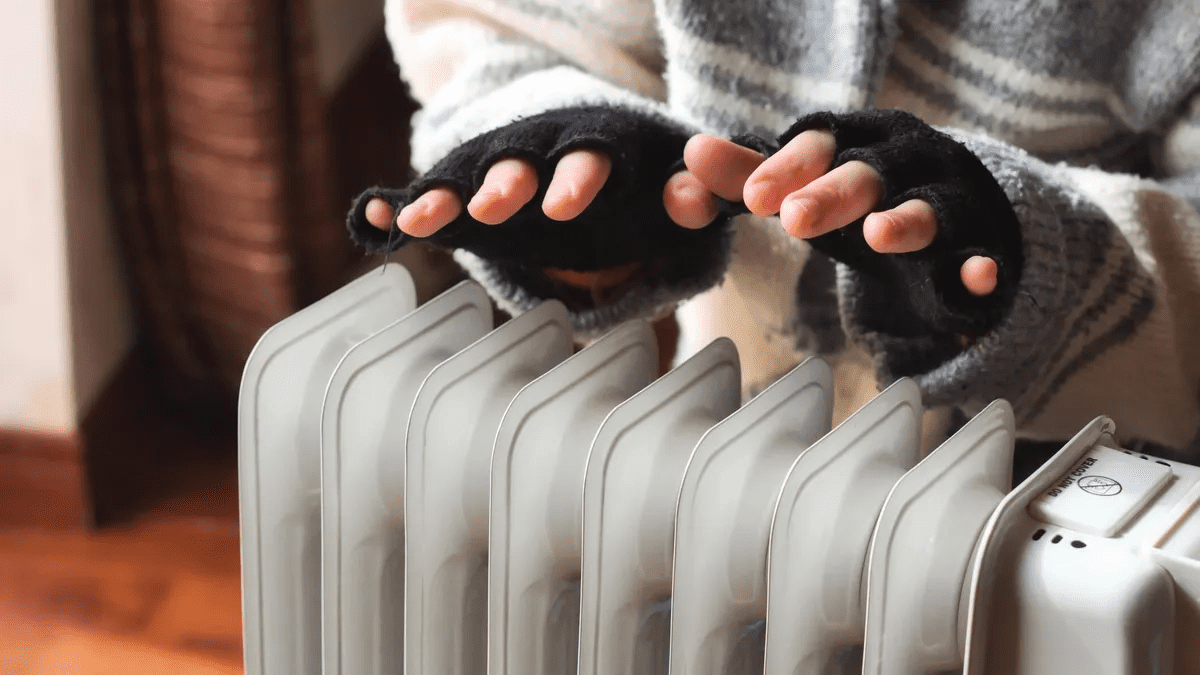
The invention of the chimney in the 12th century replaced central roof openings with vented fireplaces. Originating from sloped chimneys in Norman castles, this innovation allowed fireplaces to be positioned at the sides of rooms. Improved chimney designs enabled the construction of multiple fireplaces within homes.
Sources of Heat in Toronto Before the 19th Century
In Toronto, fireplaces remained the primary source of home heating until the 17th century when stoves were introduced. The shift occurred due to the creation of safer and more efficient stove models, such as the Franklin stove, named after Benjamin Franklin. Other advancements included Eliphalet Nott’s base burner stove in 1833 and Isaac Orr’s airtight stove three years later.
During this period, wood was the main fuel source for fireplaces and stoves. Coal became widely used only when it could be delivered to basements by carts. While coal is still mined for electricity production, it has largely been replaced by oil and natural gas.
In the 19th century, notable inventions such as radiators (created in Russia in 1855) and Thomas Edison’s electric heater in 1883 revolutionized home heating. After the Civil War, boilers, radiators, and steam or hot water systems became more popular for heating homes in Toronto. Steam systems were used in larger buildings, while most homes employed low-pressure water radiators for safety. By the late 1800s, Dave Lennox developed steel coal furnaces using affordable cast-iron radiators to efficiently heat homes. This eliminated the need to huddle near fireplaces or stoves for warmth.

Central Heating Systems and the Rise of Electric Heaters
In 1919, Alice Parker patented the central heating system. At the time, the lack of electricity for fans meant that heat was distributed through ducts via natural convection. Less than 20 years later, coal furnaces paired with electric fans delivered warm air through ductwork.
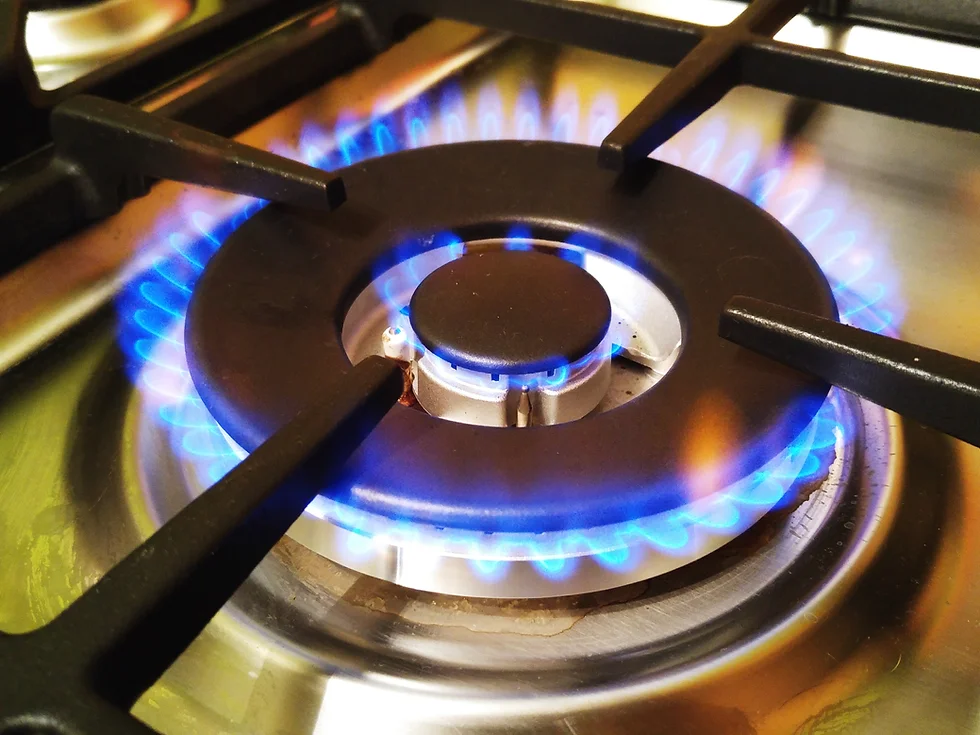
By the mid-20th century, Torontonians had various heating options, including oil, propane, natural gas, and electric-powered boilers and furnaces. As of 2024, wall-mounted or built-in electric heaters remain common in apartments. Other heating systems include heat pumps, which may be air-source or geothermal. Blower motors power fans that circulate warm air throughout homes via ducts and registers.
Sewage Pipes as a Heat Source
Many buildings rely on gas or other fossil fuels for heating, but beneath our feet lies a free, carbon-neutral heat source: sewage pipes. Alongside wastewater, these pipes carry “waste heat” from buildings, such as warm water from showers and dishwashers. For example, while outdoor temperatures near Toronto’s CBC building may hover around 0°C, the water in nearby sewer pipes is approximately 17°C. In most places, this heat is wasted, but it doesn’t have to be.
As of 2024, buildings account for about 58% of greenhouse gas emissions in Toronto, primarily due to burning fossil fuels for heating and hot water. Heat pumps are a far more efficient and environmentally friendly alternative to traditional heating systems. While some heat pumps can replace both furnaces and air conditioners, it’s advisable to consult HVAC contractors or energy advisors before making the switch.
Why Are Torontonians Switching to Heat Pumps?
Heat pumps offer several advantages:
- Clean Energy: Heat pumps produce far fewer greenhouse gas emissions than natural gas furnaces since electricity is a cleaner energy source in Toronto.
- Efficiency: Heat pumps can provide more than three times the heating output compared to furnaces and boilers using the same energy input.
- Cost Savings: With carbon pricing causing natural gas prices to rise, heat pumps allow homeowners to benefit from electricity pricing structures, including anticipated reductions in time-of-use rates. Grants and incentives are also available to offset installation costs.
- Reliability: Over 180 million heat pumps are in use worldwide. As the climate crisis intensifies and natural gas prices rise, heat pumps are expected to play an increasingly significant role in climate solutions.
In Toronto, initiatives like the Sustainable Technologies Evaluation Program (STEP) by the Toronto and Region Conservation Authority (TRCA) support heat pump case studies documenting installations across the city. These studies provide information on installation costs, homeowner experiences, utility savings, and other valuable insights.
Sources: