

Toronto is home to numerous farms that have specialized in cultivating unique plants and varieties of vegetables and fruits. Among them, the family farm of Charlie and Henry Chong stands out as the first to grow Chinese produce and supply it to restaurants in Toronto and other Canadian towns. Learn more about the history of the Chong farm at toronto.name.
The Unique Business of the Chong Family
Ken Chong vividly recalls weekends spent on his father’s farm, loading carts with winter melons and tending to the greenhouses. These melons were often used for soup preparation. Before this, Ken’s grandfather, Henry, grew what were then considered exotic vegetables: pai tsai cabbage and kai-lan (Chinese broccoli).
Charlie and Ken’s grandfather, Henry Chong, co-founded the family farm, which quickly gained popularity in Toronto. The farm supplied its fresh produce to Toronto’s Chinatown, meeting the needs of the Chinese community while also introducing the broader population to these vegetables for decades.
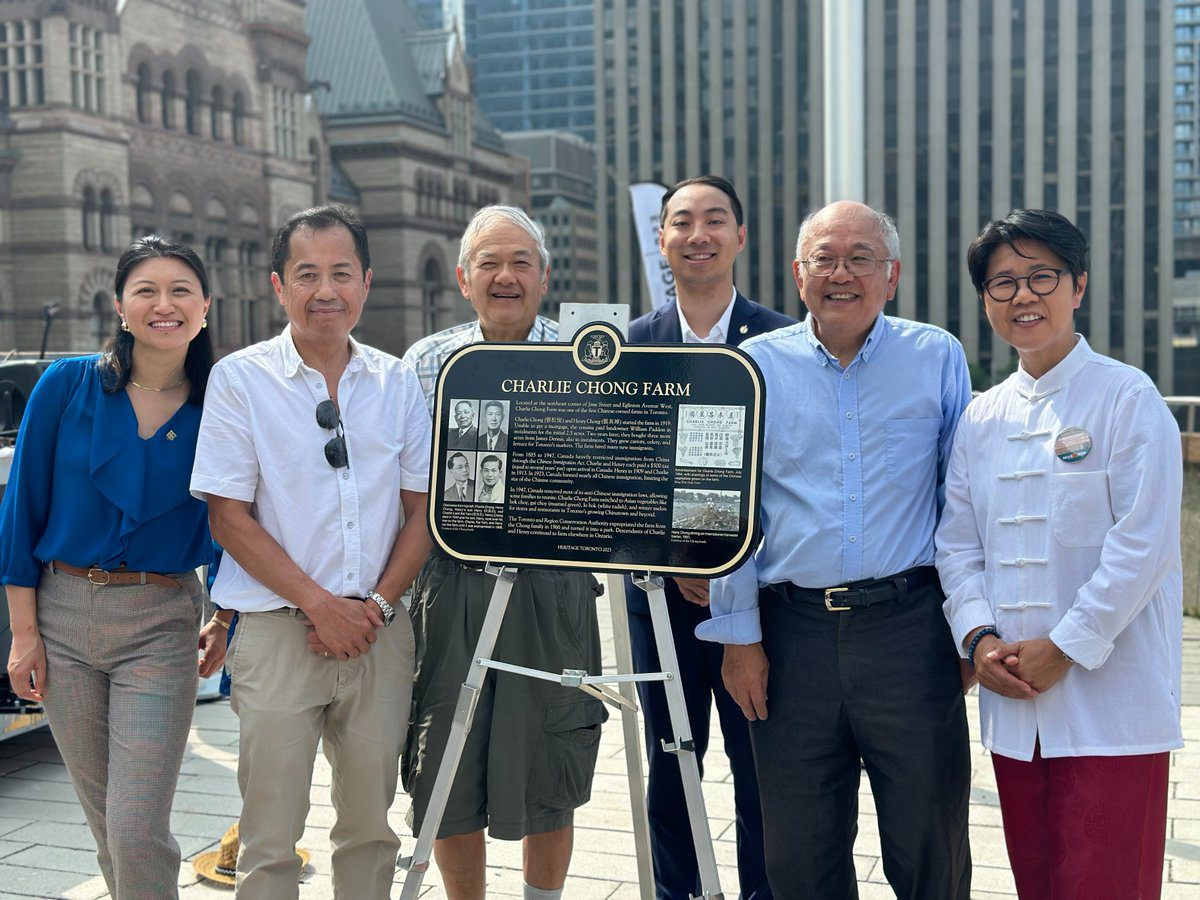
In 2023, to commemorate the farm’s significant contribution to the city’s culinary heritage, Heritage Toronto unveiled a memorial plaque dedicated to Charlie Chong’s farm. The plaque was placed at the site where the farm once stood. It also marks another notable event in Canadian history—the passage of the Chinese Immigration Act in July 1923, which prohibited Chinese immigration to Canada for 24 years.
How the Chong Farm Was Founded
Ken’s grandfather, Henry, arrived in Toronto in 1924 with his relative, Charlie Chong. Shortly after settling, they decided to establish a farm to grow vegetables for Chinese immigrant families. They chose a fertile area on Jane Street, near the Humber River.
On two picturesque acres of land, the Chong family built a farmhouse and later expanded by purchasing three more acres across the road. Initially, they grew common vegetables such as carrots, onions, and celery.
Despite starting from scratch, the business prospered. The Chongs sold their harvested fruits and vegetables directly from the farm, saving the profits to invest in farming tools, equipment, and a greenhouse. To manage the demanding workload, they hired additional laborers.
Social integration was challenging for the Chongs in Toronto due to prevalent discrimination against Chinese immigrants. Their social interactions were often limited to trips to markets or stores to buy seeds or tools.
Growth and Closure of the Farm
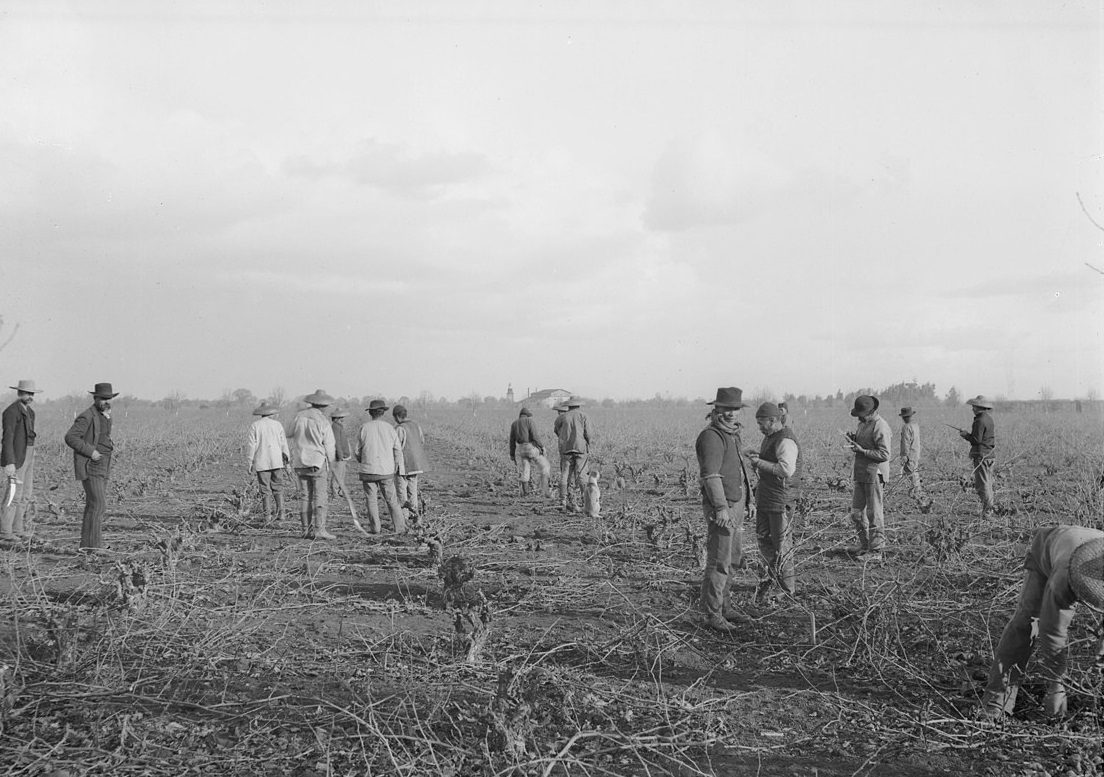
In the 1950s, Chinese immigration to Canada surged. Ken’s father moved to Toronto during this time and, at the age of 18, took over the farm’s operations from his father.
As the Chinese community in Toronto expanded, the farm began cultivating more traditional Chinese vegetables such as bok choy, choy sum, winter melons, and bitter melons. The cultivation of kai-lan became a particular source of pride. As the business grew, Henry purchased a tractor for plowing, replacing the horses previously used. By 1953, the Chong farm had become the leading supplier of vegetables to Chinatown. Other Chinese farmers, inspired by their success, began growing similar produce, creating competition.
In 1954, a catastrophic flood caused by Hurricane Hazel devastated the area. The Humber River overflowed, causing widespread destruction and fatalities. The Toronto city administration took measures to prevent future floods, which included the expropriation of land in the valley, where the farm was located.
Many valley residents began relocating, but Charlie Chong’s family remained until 1966. After their departure, the family farm ceased to exist.