

John Joseph Wright was an exceptionally talented engineer who pioneered electric lighting in Toronto and played a key role in developing and implementing Canada’s first electric street railway. Below is an overview of his remarkable achievements. Learn more on toronto.name.
Early Life
John Joseph Wright was born in 1847 in Great Yarmouth, England, and received his education at Sherland Hall in Birmingham. He arrived in Toronto in 1870 as a machinist and later identified himself as an engineer. Four years later, John married Jessie Firstbrook, whose father was a lumber merchant and box manufacturer. Several of her brothers were also machinists, likely influencing Wright’s career.
In 1876, Wright traveled to Philadelphia, ostensibly to attend an exposition. However, it was later revealed that he was there to attend lectures on electricity delivered by Elihu Thomson and Edwin James Houston, professors at Central High School and collaborators in electrical experimentation. Impressed by his skills, they offered Wright a position, and he began working on generators. In 1879, Wright helped install North America’s first electric arc street lamp.
Return to Toronto and the Establishment of Electric Streetcars
After returning to Toronto in early 1881, Wright constructed an experimental generator in a back room at the Firstbrook factory. This generator powered arc lamps he had designed and installed in various downtown businesses. These experiments prompted the City Council to form a committee in October 1881 to explore the benefits of electric street lighting. However, no contracts were signed at the time.
By 1882, Wright had become one of the first entrepreneurs in the field of electricity, seeking opportunities to commercialize his work. He established Toronto’s first commercial power plant, utilizing generators provided by Thomson and Houston. These generators were driven by surplus steam from a neighboring printing press. Initially, distribution wires were installed on rooftops, but by 1884, Wright had applied to use poles under the newly formed Toronto Electric Light Company Limited. To encourage daytime demand for electricity, Wright also began selling electric motors.
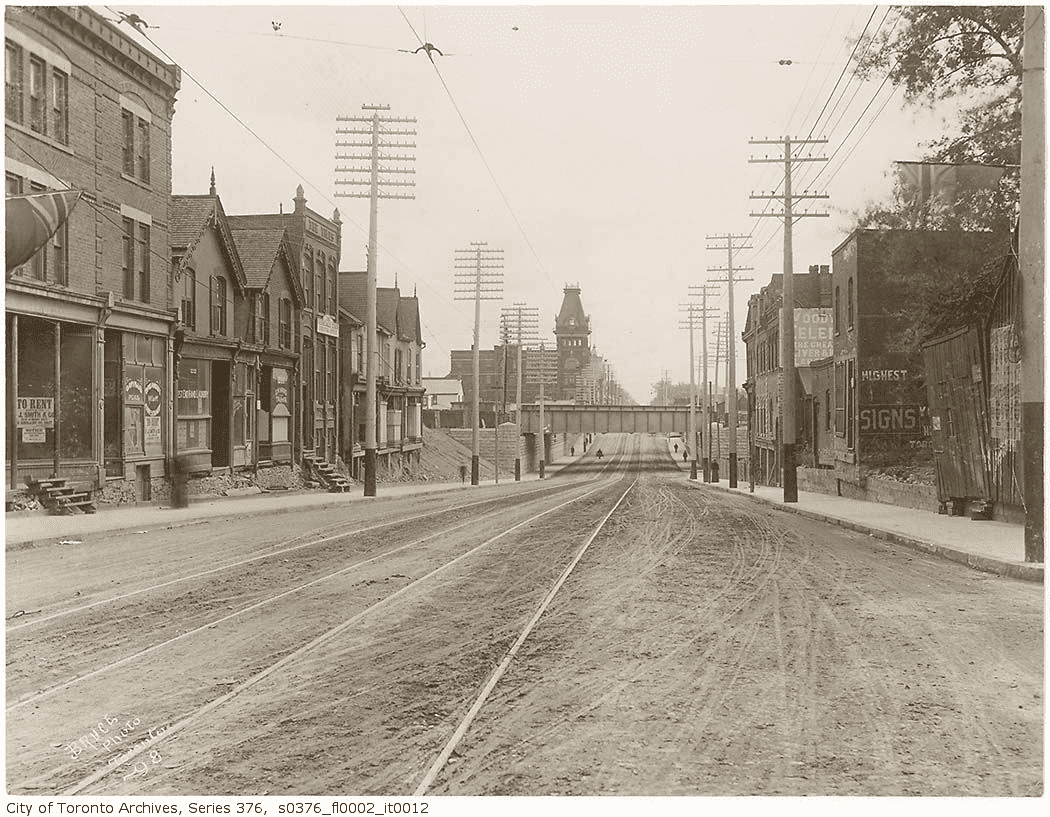
In 1883, following an industrial exhibition in Toronto, plans emerged to install an electric railway for demonstration purposes. Initially, directors intended to purchase equipment from Chicago but found the prices prohibitive. They turned to Wright, who had acquired an experimental motor built by Thomas Edison. Although this motor failed to move the cars, Wright successfully showcased an electric platform car powered by a Grand Trunk locomotive at the 1884 exhibition. Some accounts credit Wright with constructing Canada’s first electric railway during this period.
Membership and Contributions
In September 1884, the Globe newspaper identified Wright as the head of J. J. Wright Electric Light Company. By 1885, city directories described him simply as an electrician. Wright’s private ventures ended in 1886 when he became superintendent (and later manager) of the Toronto Electric Light Company, which had secured the city’s street lighting franchise in 1884. This franchise was contested by Consumers’ Gas and the Toronto Railway Company, leading to allegations of scandal during its renewal in 1894. A municipal official allegedly solicited Wright for a $13,000 bribe, but charges were never proven.
Wright’s career in electrical engineering highlighted the complexities of operating in an era of rapid technological and corporate change. In 1902, Wright testified before Ontario’s legislative assembly, arguing against long-distance electricity transmission. Even after Toronto began receiving power from Niagara Falls in 1906, Wright remained skeptical, citing high-voltage lines as a “severe hazard” to rural buildings in 1908.
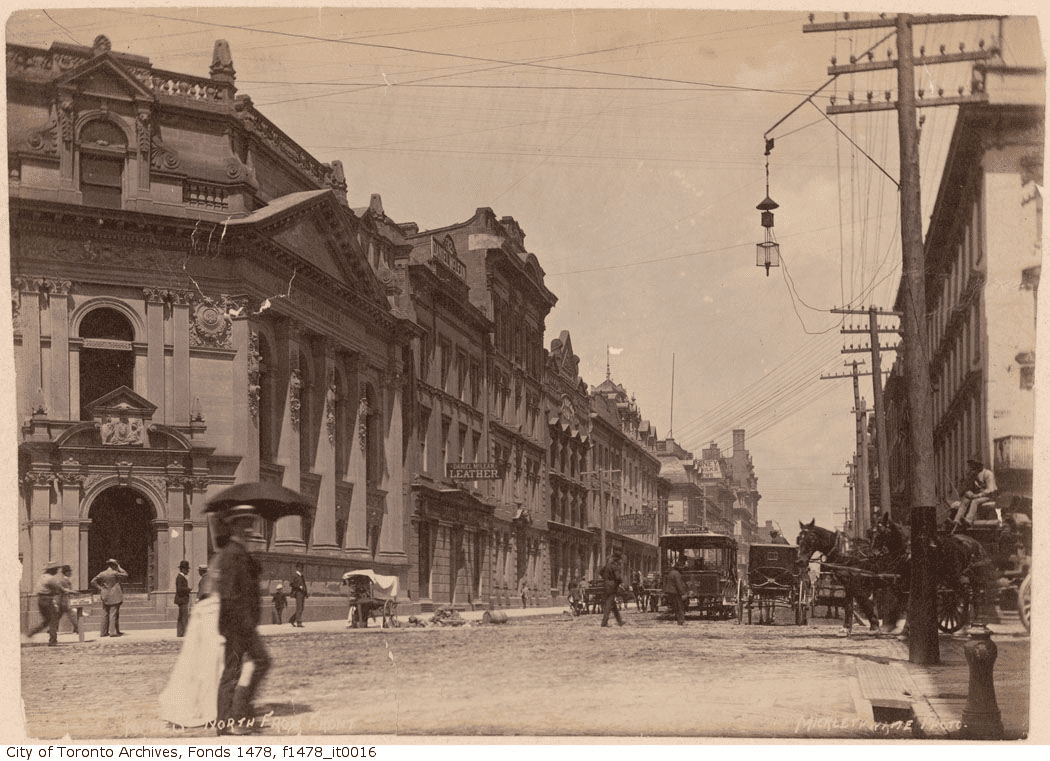
Despite these limitations, Wright’s managerial skills were highly valued. He continued working at Toronto Electric Light even after it became part of William Mackenzie’s Toronto Power Company Limited in 1908. In 1910, he was appointed vice president and chief consultant, transitioning to a consulting engineer role by 1914.
Wright was a member of the Franklin Institute in Philadelphia and the first president of the Canadian Electrical Association from 1891 to 1893, a position he held again in 1904. He also served on the executive committee of the National Electric Light Association in the United States. A stocky man with prominent mustaches, Wright was an enthusiast of water sports and a member of the Royal Canadian Yacht Club, spending weekends sailing on Lake Ontario.
Around 1915, Wright retired from the electrical industry and settled in Niagara-on-the-Lake before relocating to Newcastle in 1921. He passed away the following year and was buried at Mount Pleasant Cemetery in Toronto.
Sources: