

Toronto was once entirely covered by the Laurentide Ice Sheet during the Wisconsin Glaciation, with its thickness exceeding one kilometre. This glaciation event is responsible for depositing nearly all the parent materials from which Toronto’s soils were formed. However, there are exceptions, such as recent alluvial or river deposits in current floodplains, lake deposits, aeolian materials like active sand dunes, and ongoing organic accumulation. The ice advanced from the north, scraping soil from much of the pre-glacial landscape and depositing it further south into the central and northern United States. As the continental glacier retreated northeastward over millennia, it gradually exposed Toronto. Learn more on toronto.name.
Overall, the distribution of soil orders in Toronto aligns with the terrestrial ecozones of Canada: the Hudson Plains Ecozone, the Boreal Shield Ecozone, and the Mixedwood Plains Ecozone.
The Hudson Plains, Boreal Shield, and Mixedwood Plains Ecozones
The Hudson Plains Ecozone, commonly referred to as the Hudson Bay Lowlands, occupies the northern parts of Ontario. This ecozone is defined by a boundary between primarily Paleozoic (541–252 million years ago) and Mesozoic (252–66 million years ago) limestones of the Phanerozoic Eon, which underlie the ecozone, and the Precambrian Shield. These rocks are softer, with neutral to alkaline reactions. The climate is relatively cold and semi-arid, with an average annual temperature ranging from -6.2°C to 7°C and annual precipitation between 240 and 525 mm. Average daily air temperatures in January and July range from -20°C to -27.5°C and 12°C to 16°C, respectively.
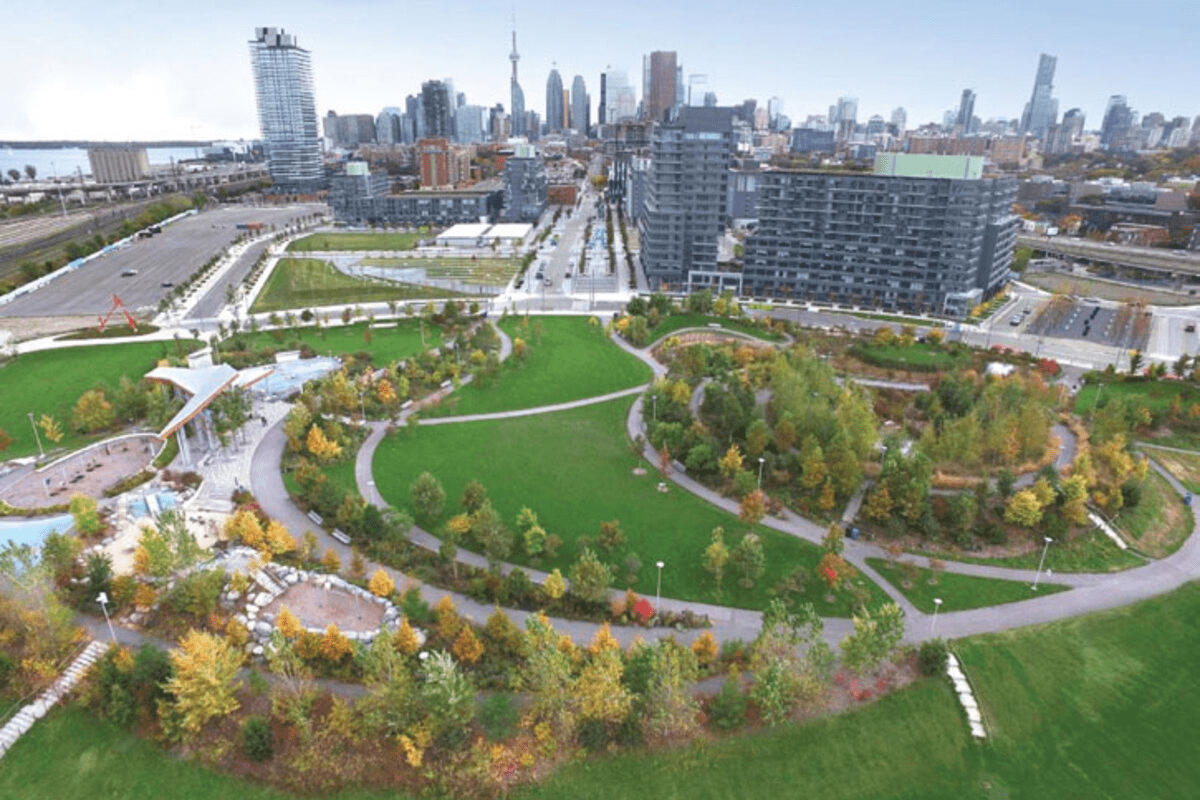
The Boreal Shield Ecozone extends from the Manitoba border in the west to the Quebec border in the east. It borders Paleozoic limestone bedrock in the north and south. The primary bedrock is Precambrian, specifically from the Archean Eon (4,000 to 2,500 million years ago), dominated by gneisses and granites. These rocks are more resistant to weathering than neighbouring limestones and have an acidic reaction. The climate is relatively cold and wet, with average annual temperatures ranging from -3.5°C to 6.8°C. Average daily temperatures in January and July are -15°C and 17°C, respectively. The ecozone’s geographic size results in significant temperature variations across the Boreal Shield. Surface deposits are complex, largely relics of the Wisconsin Glaciation. Exposed bedrock, the result of glacier scouring and material movement to the south, dominates large areas of this landscape. These bedrock exposures are interspersed with till moraines, glaciofluvial deposits like eskers and kames, glaciolacustrine deposits, and organic matter. The thickness of these deposits varies significantly, from thin layers (10–100 cm) over bedrock to deep deposits several metres thick. Known as the Ontario Shield, this ecozone contains boreal coniferous forests and deciduous forests.
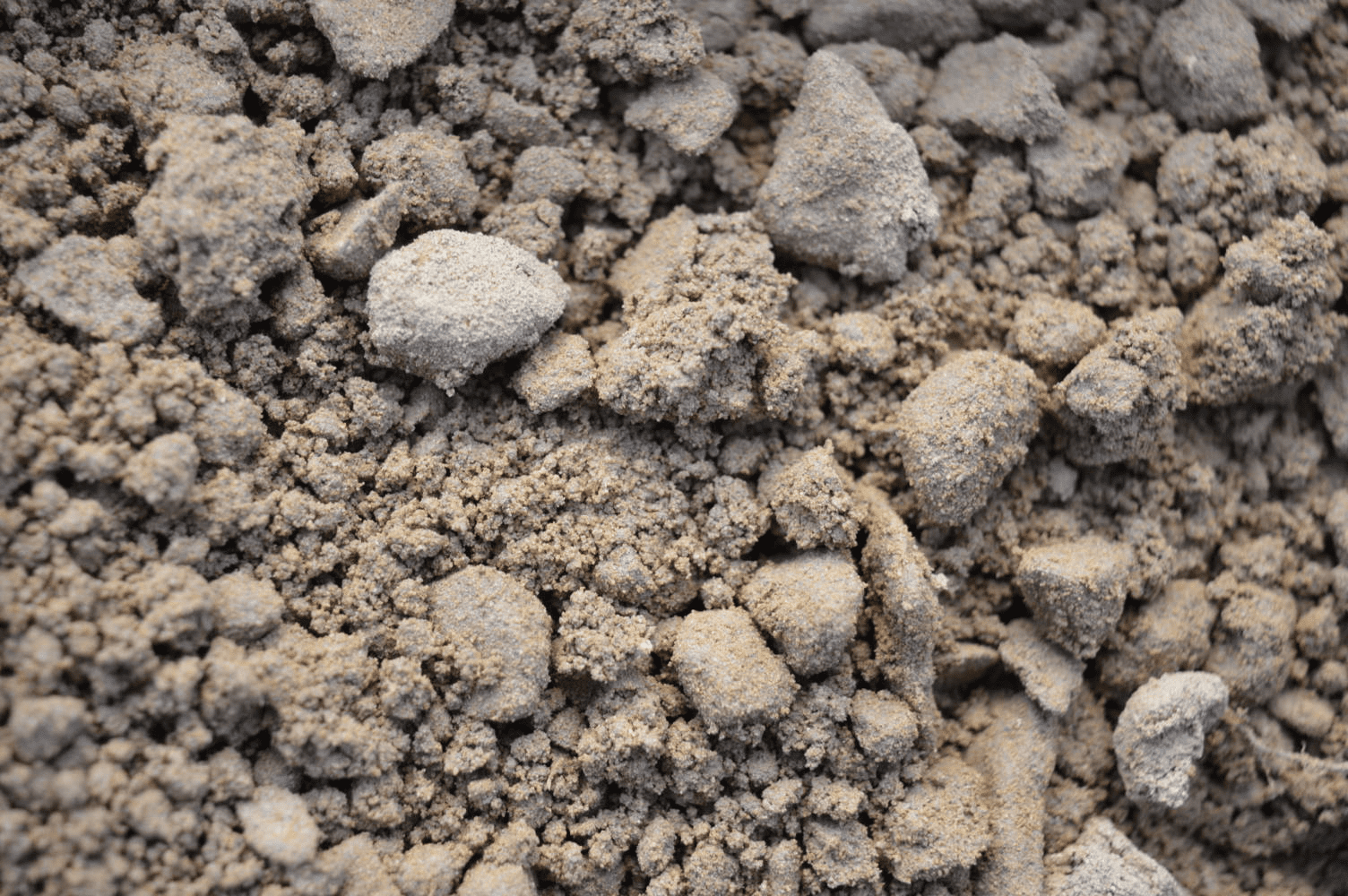
The Mixedwood Plains Ecozone stretches from the western edge of Lake Erie near Windsor to the Quebec border in the east. The bedrock underlying this ecoregion shares the same origin as the Hudson Plains Ecozone: Paleozoic limestone and dolostone. Despite its small area, this ecozone is the most studied. The climate is described as cool to mild, with cool winters and warm summers.
Factors Influencing Soil Formation: Fibrisols
Soil distribution in Toronto depends on the relative importance or dominance of soil-forming factors. In many cases, one soil-forming factor outweighs others. This is particularly true for soils in the Hudson Plains Ecozone, where the cold, semi-arid climate is the most significant factor. Despite relatively low annual precipitation, low temperatures and a short growing season limit evaporation, leaving much of the moisture in the soil. This is compounded by the predominantly clay and silt-textured glaciomarine parent materials, which have high water retention capacity. Consequently, these soils remain saturated for much of the year, promoting organic material accumulation on the surface. In the cooler northwestern parts of the ecozone, permafrost is common due to low average annual temperatures. These conditions result in the dominance of Organic and Cryosolic soil orders. At the subgroup level, Fibrisols of the Organic order dominate much of the ecozone. Fibrisols are characterized by relatively undecomposed organic materials, primarily derived from sphagnum mosses.
Dystric Brunisols in the Boreal Shield
Soils in the Boreal Shield Ecozone are more diverse than those in the Hudson Plains Ecozone. While the Hudson Plains Ecozone is dominated by a single soil-forming factor (climate), soil order distribution in the Boreal Shield Ecozone is influenced by parent material, topography, and vegetation. Some factors affect soil-forming processes on a large regional scale (e.g., precipitation, parent material), while others act over short distances (e.g., topography).
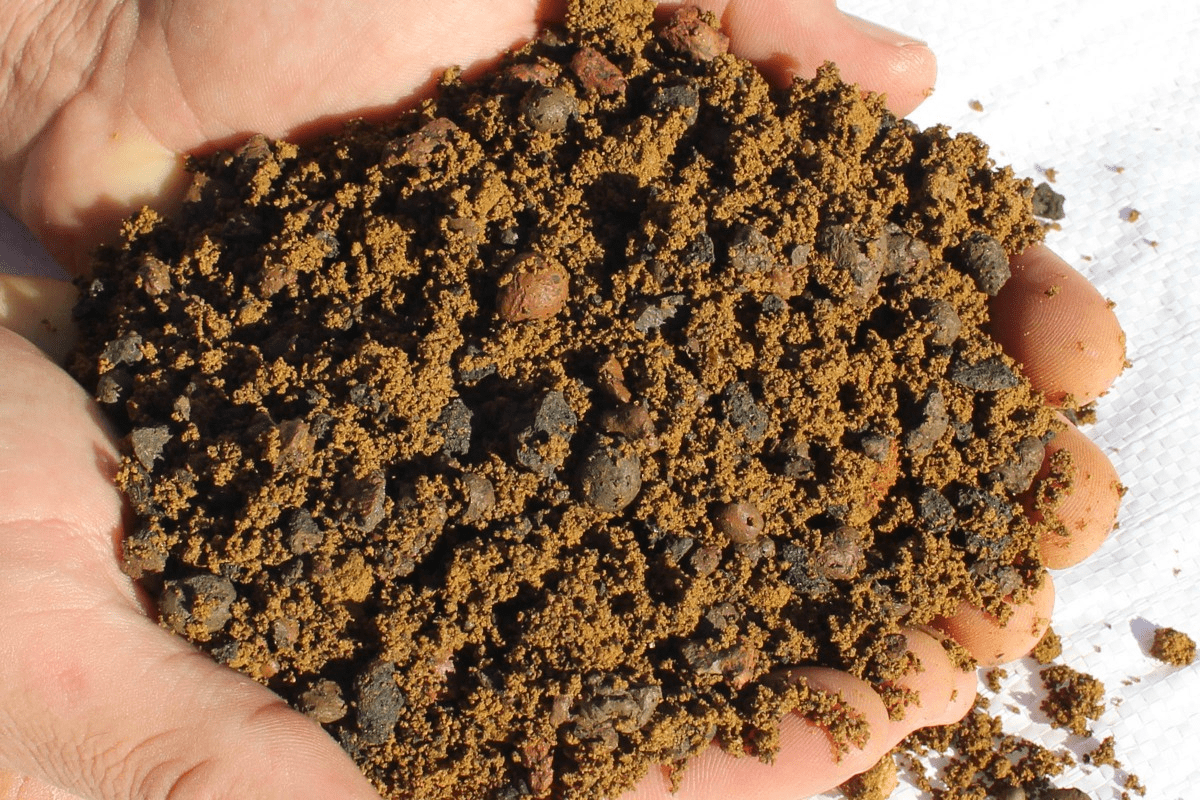
Toronto also features soils of the Dystric Brunisol great group. Dystric Brunisols are juvenile soils with weak profile development and diagnostic brunisolic horizons (Bm, Bfj, or thin Bf less than 5 cm) with acidic reactions. These soils may lack an Ah horizon or have a very thin Ah horizon, with pH (0.01M CaCl2) in the upper 25 cm of the Bm horizon being less than 5.5. The absence of an Ah horizon indicates conditions favouring humic over mull humus forms. Dystric Brunisols are forest soils typically formed on non-calcareous materials.
Ecozones Underlain by Paleozoic Limestone
Like the Boreal Shield Ecozone, soil distribution in the Mixedwood Plains Ecozone is governed by parent material, topography, and vegetation. However, climate plays a less significant role in controlling soil distribution in this ecozone. Unlike the precipitation gradient that separates Brunisols from Podzolic soils in the Boreal Shield, soil development in the Mixedwood Plains is more influenced by parent material or surface deposit distribution. This ecozone is predominantly underlain by Paleozoic limestone, and the parent materials are rich in carbonates, typically with neutral to alkaline reactions. These conditions provide a foundation for soil development.
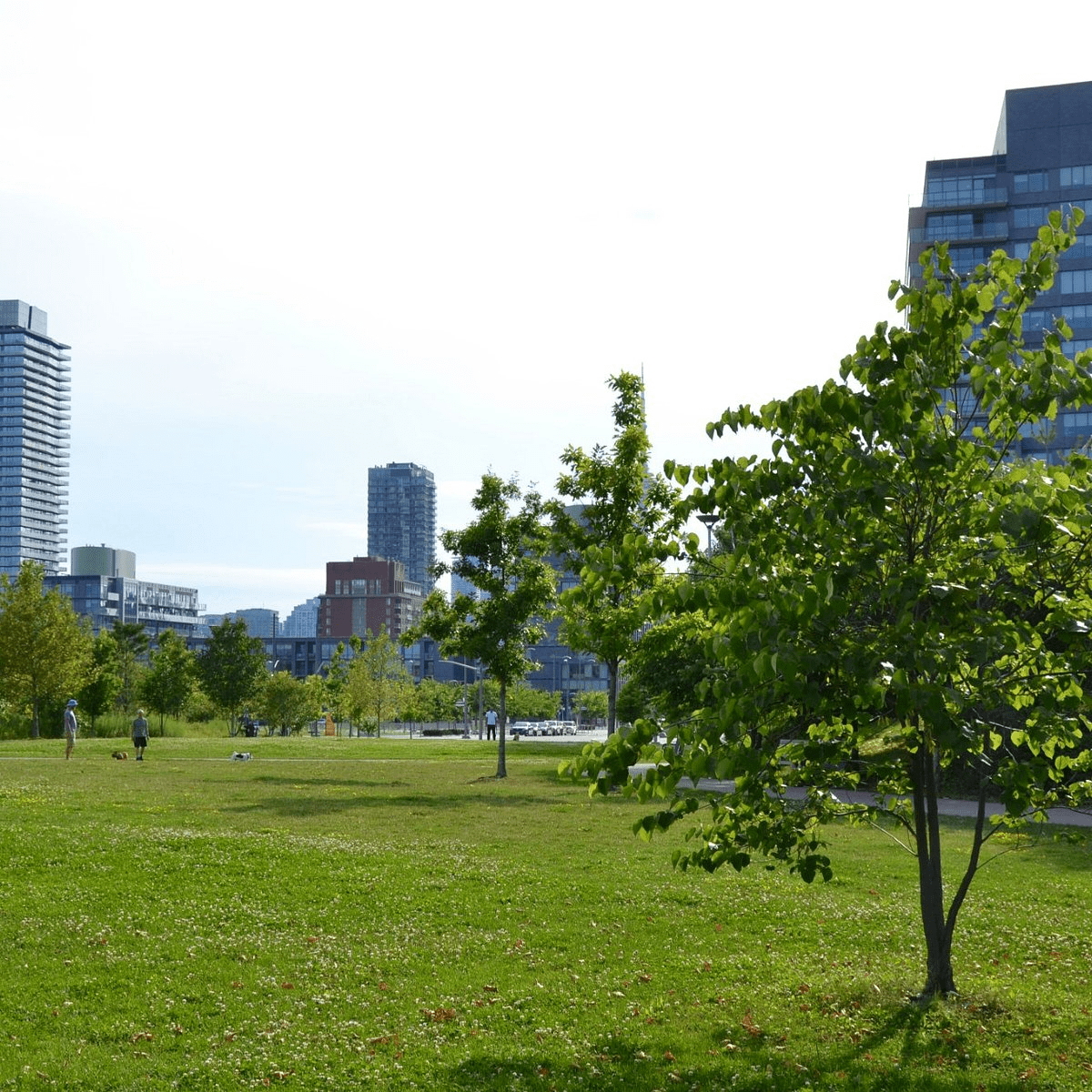
These areas correlate with regions dominated by Humic Gleysols. Humic Gleysols differ from Gleysols due to the presence of a thick Ah (>10 cm) or Ap (>15 cm) horizon, indicating the incorporation and decomposition of organic matter in the surface horizon.